Early November is a time to remember loved ones in both countries, but the names, symbols and customs are not identical. This guide explains Peru’s traditions alongside Mexico’s Day of the Dead without treating one as a copy of the other.
In short: Peru remembers the dead on November 1 and 2, but people usually call the dates All Saints’ Day and All Souls’ Day, rather than treating them as a nationwide version of Mexico’s Day of the Dead. Depending on the Peruvian community, visits with family, flowers, shared food and breads such as t’anta wawa are important. In Mexico, home ofrendas with marigolds and pan de muerto are especially familiar symbols. Both countries have considerable regional variety.
When are the dead remembered in Peru and Mexico?
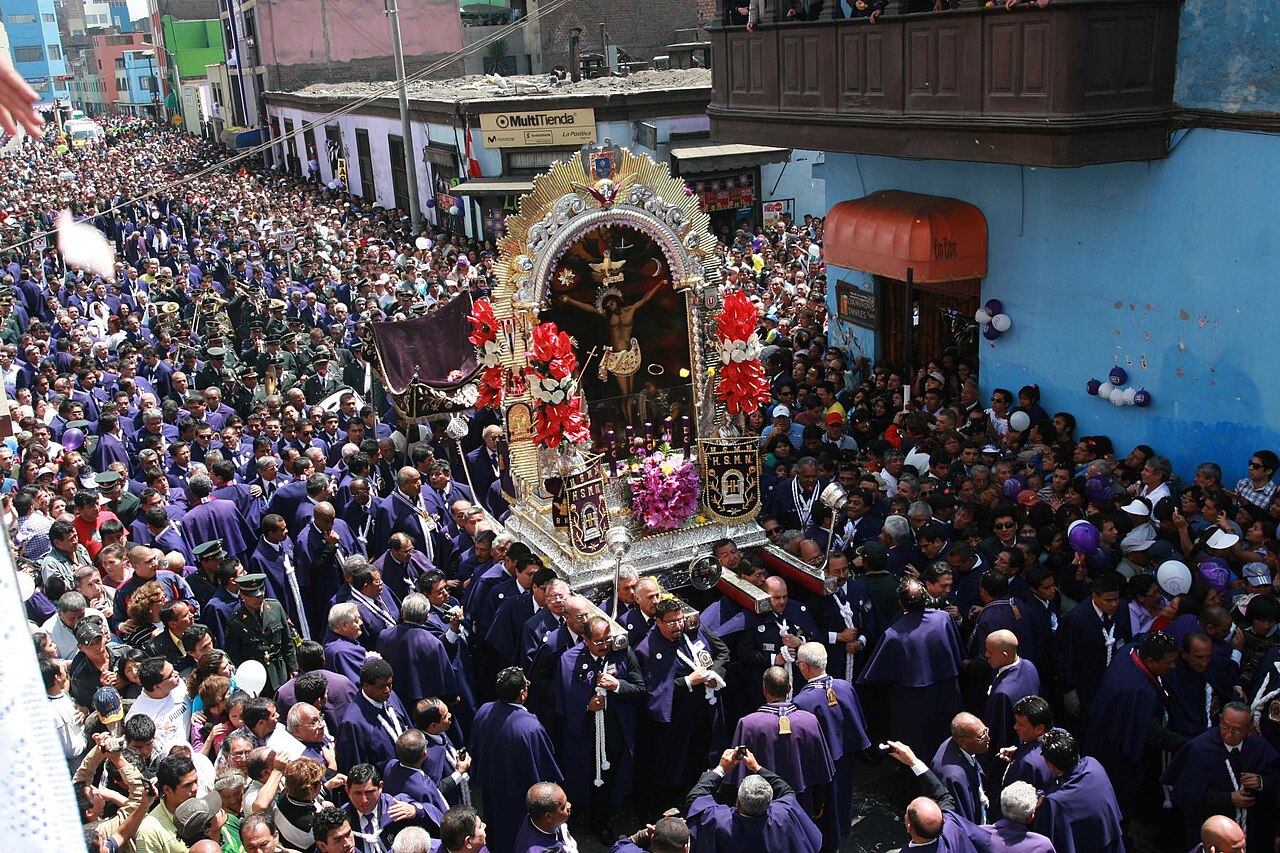
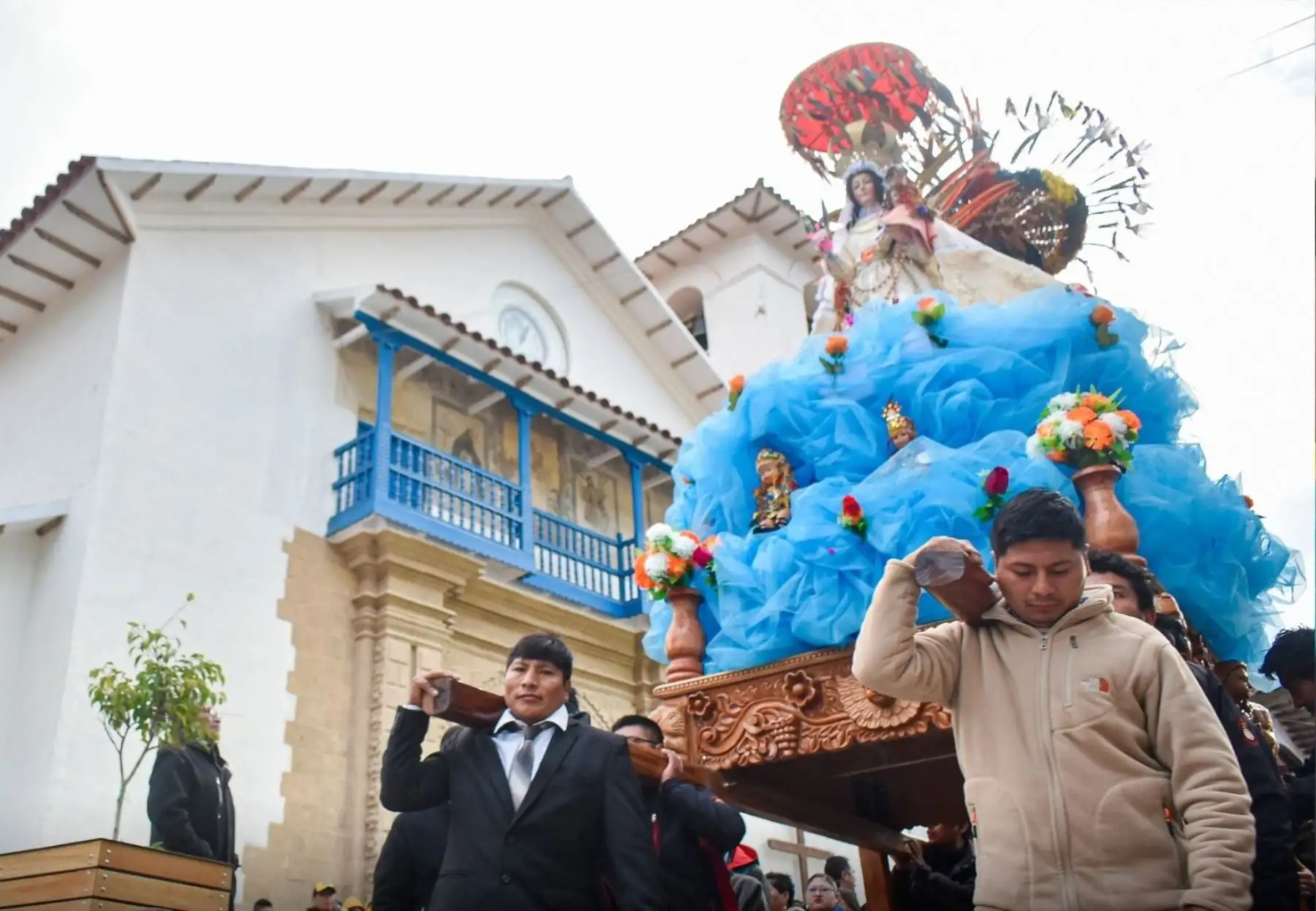
In Peru, November 1 is All Saints’ Day and a national holiday on the official government calendar; in 2026 it falls on a Sunday. November 2 is All Souls’ Day, dedicated to the faithful departed. The dates are linked, but November 2 should not automatically be described as a national public holiday. Families may visit cemeteries, bring flowers, share food or gather at home, with customs changing by region.
In Mexico, November 1 and 2 are central to celebrations dedicated to the dead, although some observances begin earlier and vary by locality. UNESCO recognizes the Indigenous festivity dedicated to the dead as intangible cultural heritage. That recognition does not mean every Mexican community celebrates in the same way.
Peru vs Mexico: the main differences
| Aspect | Peru | Mexico |
|---|---|---|
| Common names | All Saints’ Day and All Souls’ Day, with local names too. | Day of the Dead, with local names and rituals. |
| Emblematic foods | T’anta wawa, other breads and regional dishes. | Pan de muerto and foods associated with remembered loved ones. |
| Places of remembrance | Homes, churches and cemeteries, depending on the community. | Home and community ofrendas, as well as cemetery visits. |
| Familiar visual elements | Flowers, candles, figurative breads and regional offerings. | Marigolds, candles, water, papel picado and portraits in many ofrendas. |
The contrast is not that one country celebrates while the other only mourns. Joy, faith, food and grief can coexist in both. Nor does every Peruvian family make the same breads or every Mexican family arrange the same altar.
How Peru remembers: food, family and regional customs

Peru’s official tourism platform describes cemetery visits and remembrance of loved ones. In Cusco, the Almudena Cemetery Museum is one place associated with the season. Elsewhere, families may share foods or maintain private practices that a visitor may never see.
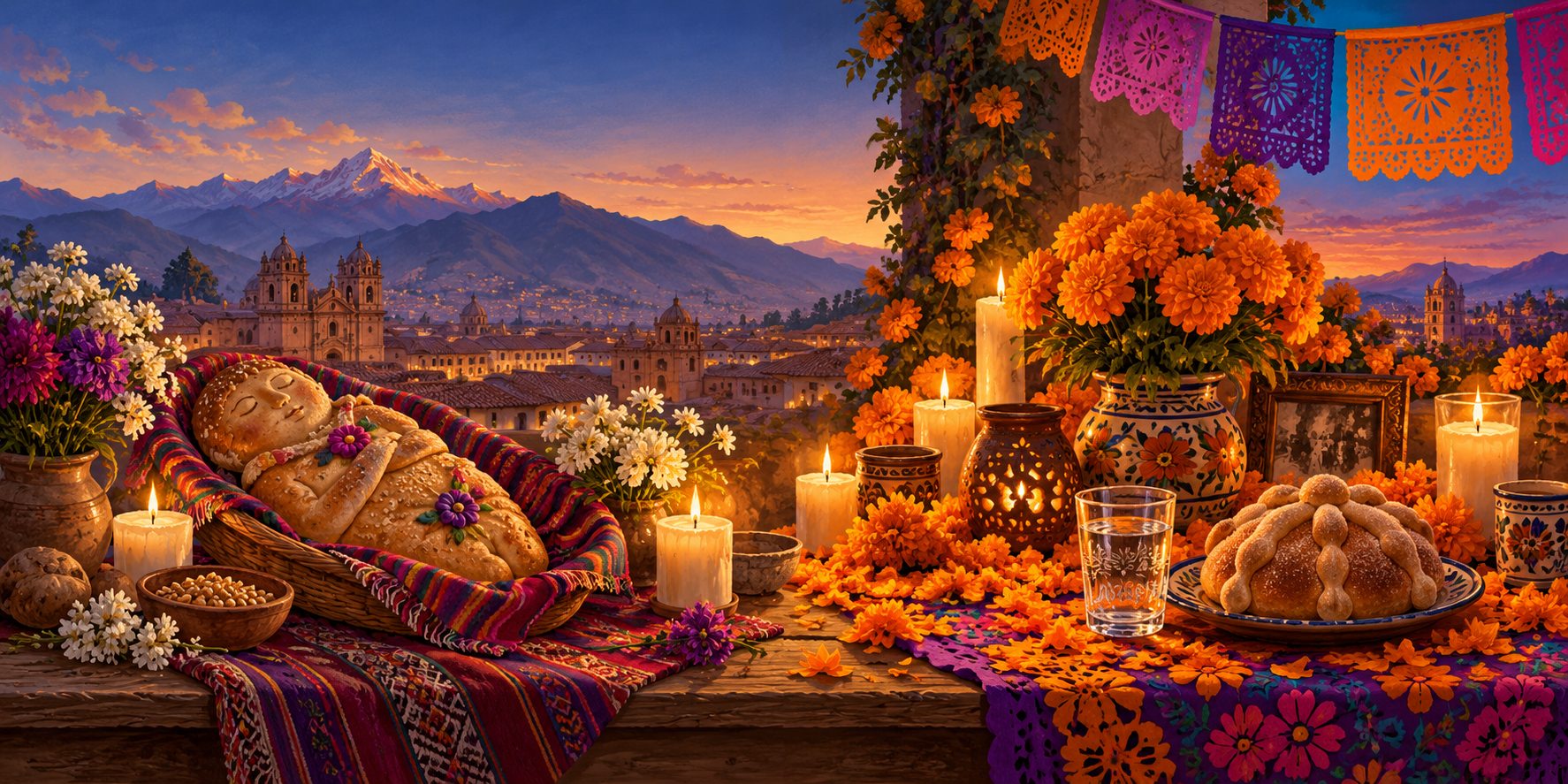
One visible example is t’anta wawa, a figurative bread whose Quechua name combines the words for bread and child. The Peruvian tourism ministry’s inventory for Oropesa, Cusco connects it with November 1 and 2 and with offerings. Peru’s Ministry of Culture notes that the bread is made in several regions, not only in Cusco. Its shape, recipe and meaning can therefore differ.
In Ayacucho, another tourism inventory entry records flowers, food, songs and breads including t’anta wawa and horse-shaped bread in local remembrance practices. These are examples of a living, varied tradition, not a fixed programme for all of Peru.
What makes Mexico’s Day of the Dead distinctive?

Many Mexican households prepare an ofrenda to remember relatives and loved ones. Mexico’s National Institute of Anthropology and History (INAH) documents common elements such as portraits, candles, water, food, marigolds, copal incense, papel picado and pan de muerto. Which items appear, and exactly what they mean, depends on the family and local tradition.
The colorful ofrenda has become an international image, but Day of the Dead is more than a parade, skull makeup or a tourist display. UNESCO’s description emphasizes bonds between families and their departed within Indigenous traditions that have changed over time. A single, simple origin story is also misleading: INAH discusses the festivity’s multiple historical influences.
What the two traditions share
In both countries, people remember those who have died through living gestures. Flowers, candles, meals, family gatherings and care for places of memory appear in different forms. Catholic beliefs coexist in many communities with long-standing local histories and practices. Comparison is useful when it deepens understanding, not when it calls one tradition a lesser version of the other.
For more detail about bread, seasonal foods and local context in Cusco, read our All Saints’ Day in Cusco guide. That article focuses on the city; this one compares the broader traditions.
How to experience these dates respectfully
- Ask before photographing people, graves, offerings or ceremonies; a public gathering can still be personal.
- When possible, buy food and bread from local producers, but check current opening hours.
- Confirm any 2026 event with its official organizer; a previous year’s report is not a current schedule.
- Listen to how local people name and observe the day instead of expecting a film or viral post to match reality.
The most meaningful comparison is not about which country celebrates “better.” It is an invitation to see two cultures of remembrance with curiosity and respect.
Sources and editorial note
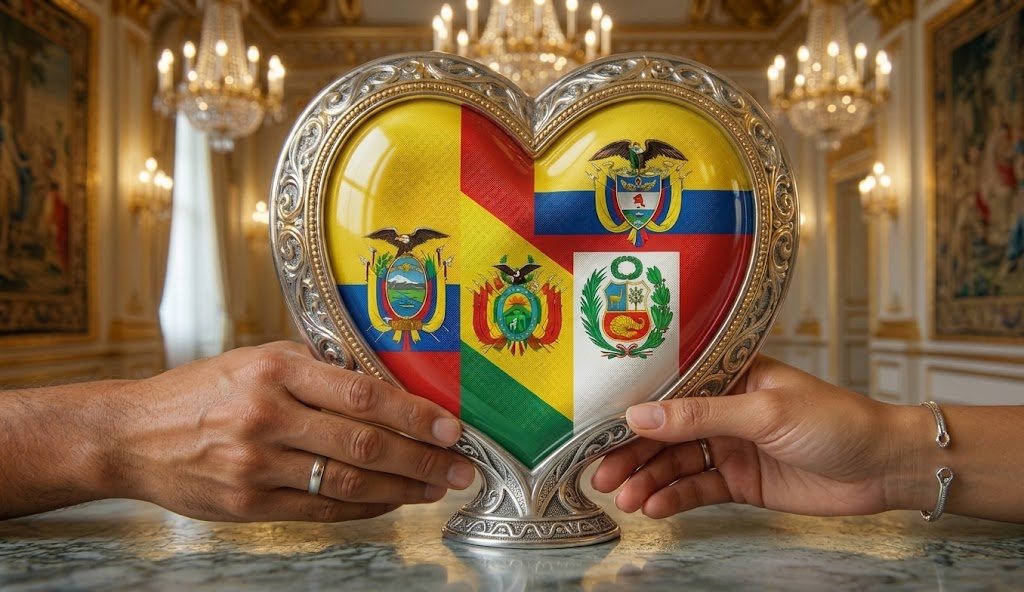
Reviewed on October 23, 2026 using Peru’s official holiday calendar, Peru Travel, the Peruvian tourism ministry’s entries for Oropesa and Ayacucho, INAH and UNESCO. The three images are original illustrative artwork, not documentary photos of 2026 events.
GT Peru Travel editorial team
Travel guides · GT Peru Travel · Cusco, Peru
Travel information checked against official sources and explained by a local team in Cusco.