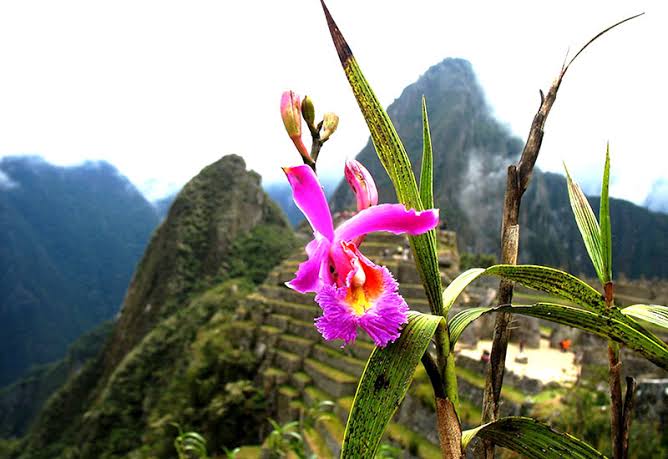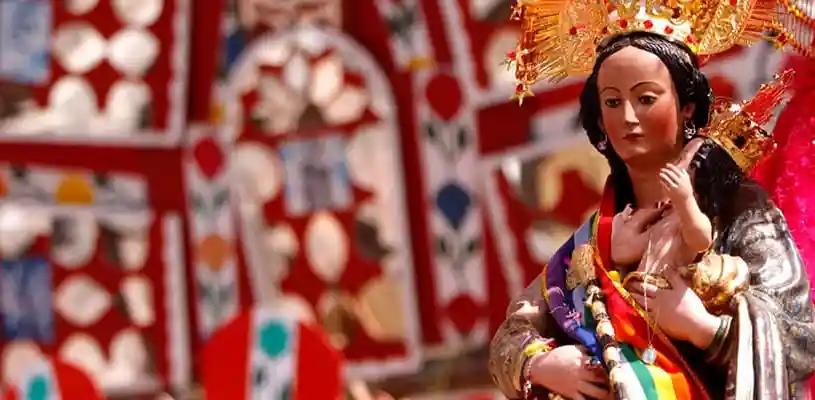
September has a special feel in the Andes. While Cusco welcomes travelers arriving to discover its landscapes, archaeological sites and ancestral trails, local communities also enjoy days of celebration, music, dancing and devotion.
Among these traditions is the Virgin of the Nativity, whose feast is celebrated on September 8 and takes different forms in towns throughout Cusco and other regions of Peru.
These celebrations are more than a date on the religious calendar. They offer a connection to a living part of Peru, where faith, local customs and community participation come together in the streets.
Contents
- What is celebrated on September 8 in Peru?
- Virgin of the Nativity in Almudena, Cusco
- Virgin of the Nativity in Huayllabamba
- Virgin of the Nativity in Livitaca
- What can travelers experience during these festivals?
- How can you combine the festival with Cusco and Machu Picchu?
- Tips before traveling
- A different way to discover Cusco
What is celebrated on September 8 in Peru?
On September 8, the Catholic Church celebrates the Nativity of the Blessed Virgin Mary: the birth of Mary. (Vatican News)
In different Peruvian towns, this celebration has developed its own character. Religious ceremonies may be accompanied by music, dances, processions and community gatherings.
There is no single way to celebrate the Virgin of the Nativity. Each locality preserves its own calendar, participants and customs.
In Cusco, September offers an opportunity to discover how religious traditions remain part of everyday life.
Virgin of the Nativity in Almudena, Cusco
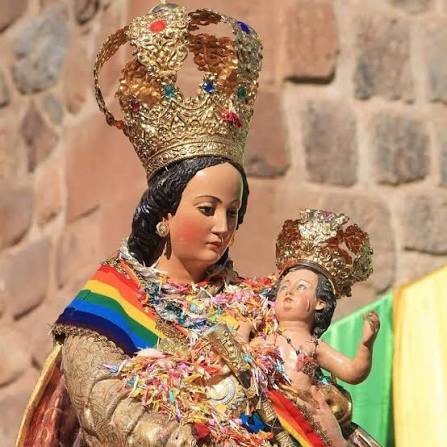
In Cusco, these days may include Masses, processions, dances and cultural activities that bring together neighbors, families and devotees.
For travelers, visiting Almudena around this time reveals another side of Cusco: a city where religious celebrations still play an important role in neighborhood life. (Radio Nacional)
Tip: if you wish to take photographs during a ceremony, first observe how other attendees behave and ask permission when appropriate.
Virgin of the Nativity in Huayllabamba
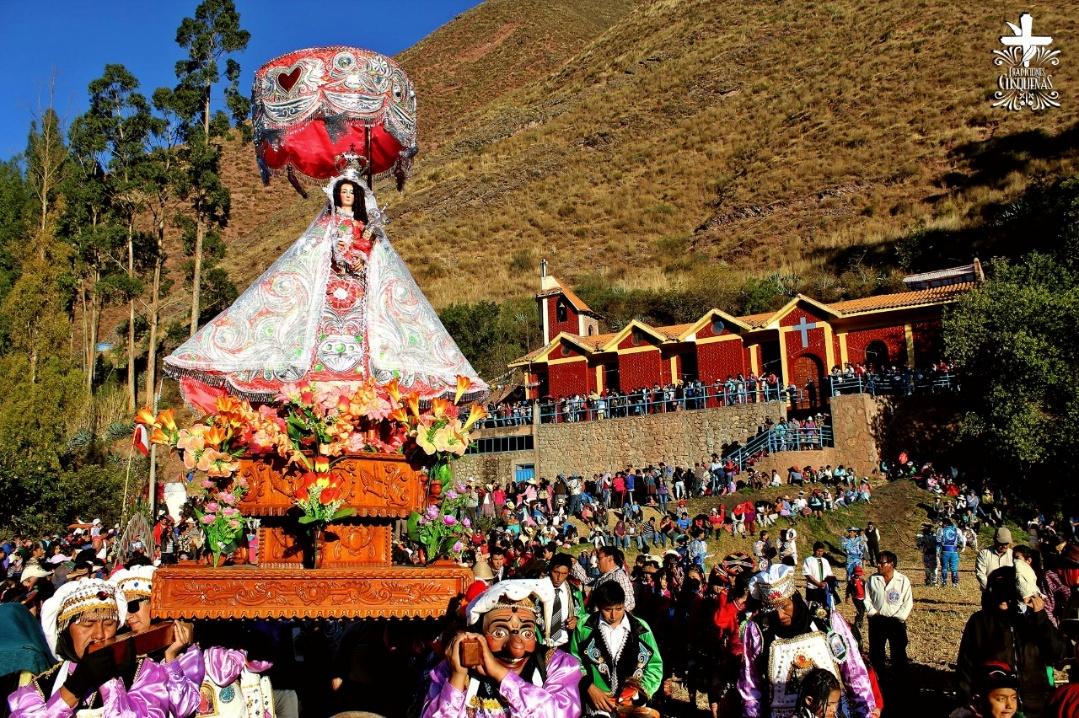
Huayllabamba is a town in Urubamba province, in the Sacred Valley, that holds a festival dedicated to the Virgin of the Nativity.
One of its most significant distinctions is its recognition as Cultural Heritage of the Nation, reflecting the importance of this tradition to the town’s cultural identity. (Ministerio de Cultura del Perú)
Masses, processions, music and dancing are part of a celebration that introduces visitors to the living culture of the Sacred Valley.
Virgin of the Nativity in Livitaca
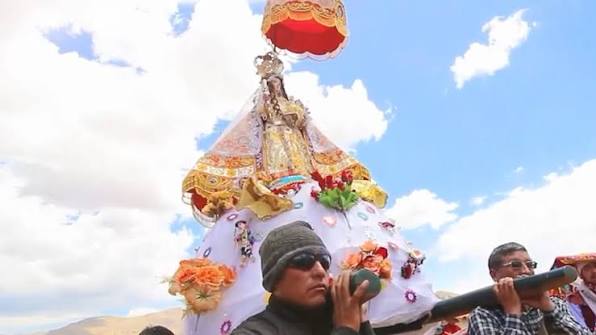
Farther south in the Cusco region lies Livitaca district, in Chumbivilcas province.
The festival brings together religious and cultural activities over several days. (Conferencia Episcopal Peruana)
Here, a celebration becomes a space for gathering, community organization, music and devotion, keeping customs alive from one generation to the next.
For travelers seeking a different side of Cusco, these celebrations offer a closer look at its communities and traditions.
What can travelers experience during these festivals?
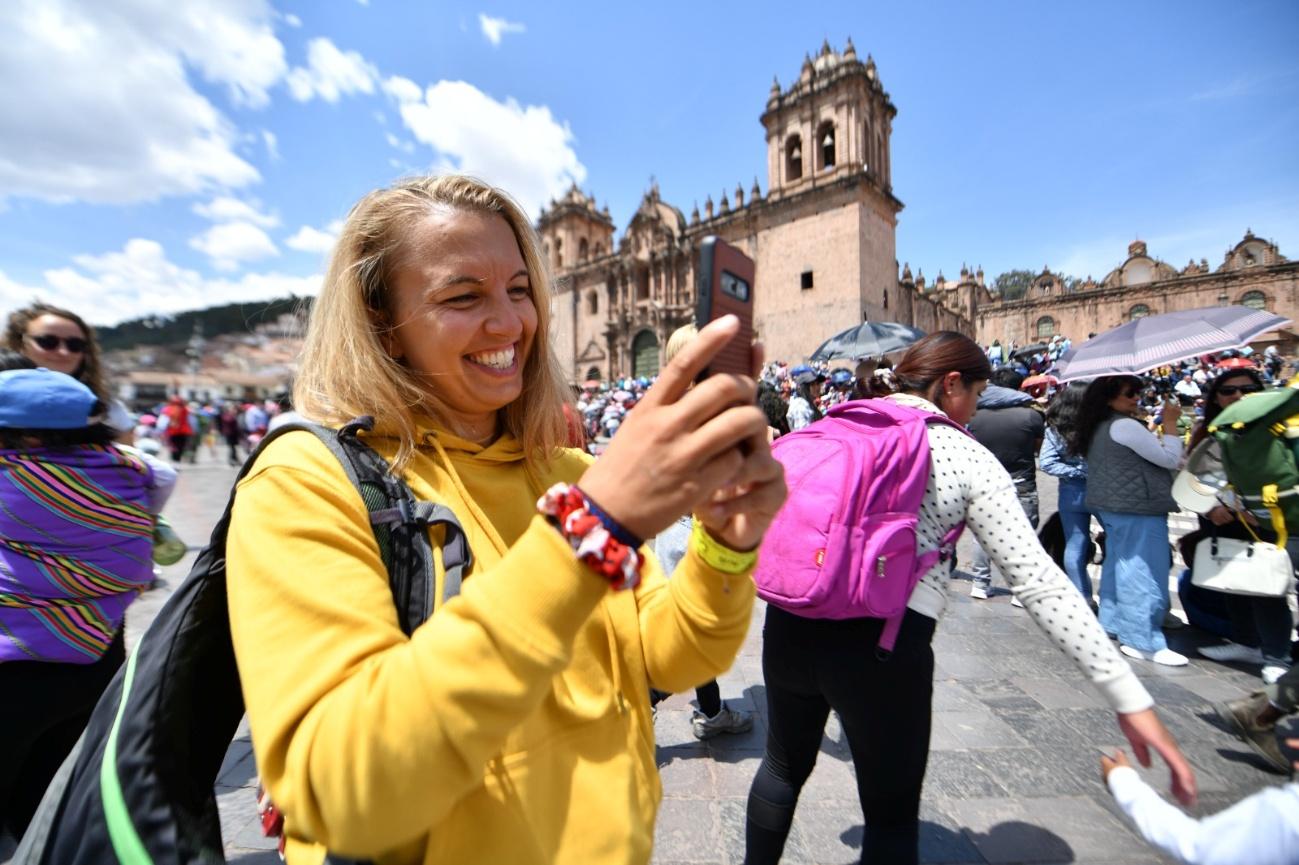
Traditional festivals offer a special opportunity to connect with a destination’s living culture and customs, exploring its traditions beyond conventional tourist attractions.
These celebrations are not performances organized for tourists. They are community and religious expressions with deep meaning for local people. The best way to experience them is with empathy, curiosity and respect.
- Dress appropriately.
- Ask before photographing people.
- Avoid interrupting processions.
- Respect religious spaces.
- Follow the organizers’ instructions.
- Be patient if schedules change.
How can you combine the festival with Cusco and Machu Picchu?
A September visit can also be an opportunity to discover other places. This seven-day itinerary is a flexible example:
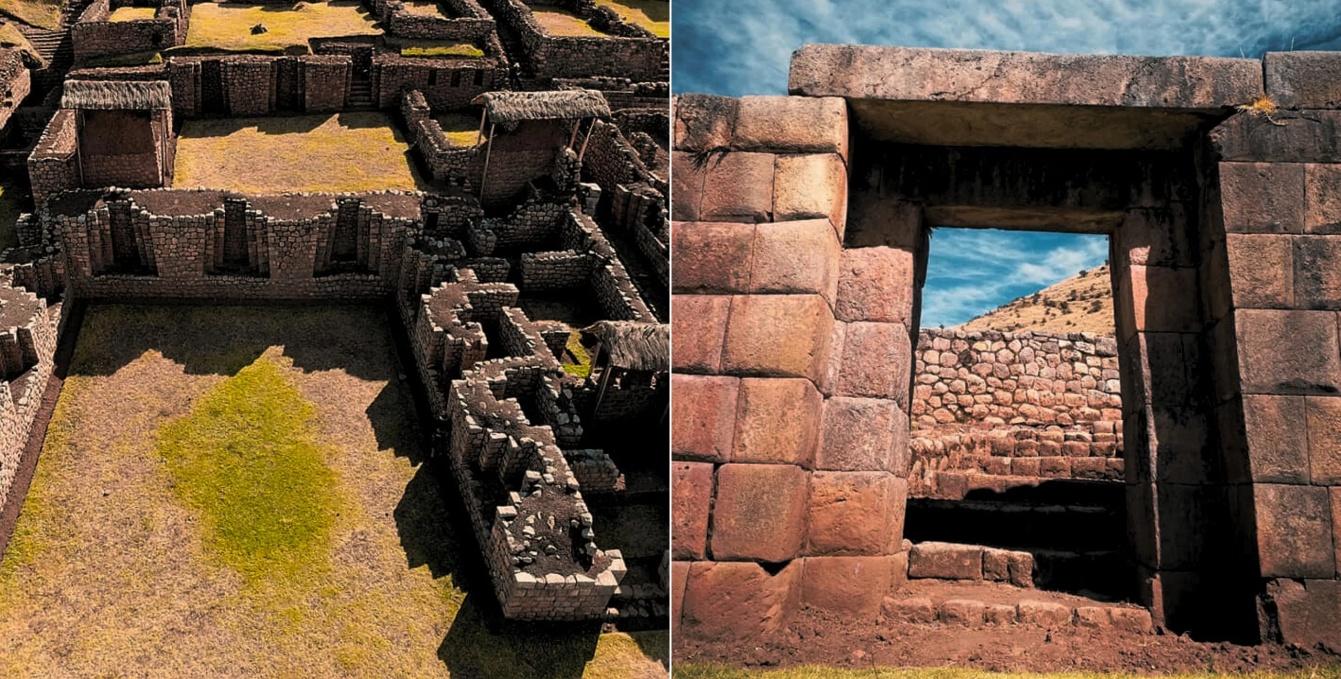
- Days 1–2: Cusco. Arrive, rest and acclimatize. Explore the Historic Center and discover some of its main attractions.
- Day 3: Sacred Valley. Visit places such as Chinchero, Moray, Maras and Ollantaytambo, depending on your chosen itinerary.
- Day 4: Festival. Set aside the day for the celebration that best matches your travel dates.
- Days 5–6: Machu Picchu. Travel to Aguas Calientes and visit Machu Picchu.
- Day 7: Return. Enjoy free time in Cusco before your journey home.
The best order will depend on the dates and program of each festival. Adjust the festival day to the official calendar. If you choose Livitaca, plan transportation and any overnight stays separately, as it is outside the Cusco–Sacred Valley route.
Tips before traveling
If you are traveling specifically to attend a festival, confirm the following in advance:
- Official date and program.
- Mass and procession times.
- Exact activity locations.
- Available transportation.
- Accommodation options.
- Weather conditions.
- Visitor guidelines.
Programs can change from year to year, so confirm the information before organizing your trip.
A different way to discover Cusco
September in the Andes brings more than new landscapes and days spent exploring Cusco. It also opens a window onto traditions that remain part of community life.
The Virgin of the Nativity is one example. From Almudena to Huayllabamba and Livitaca, each celebration has its own identity.
Perhaps the best way to discover them is simply to walk, listen to the music, watch a procession and see how a community keeps its history alive.
Would you like to experience a different side of Cusco?
Write to us at GT Peru Travel and we will help you combine culture, nature and Peru’s main destinations in a trip designed for you. Contact GT Peru Travel
GT Peru Travel editorial team
Culture and travel · GT Peru Travel · Cusco, Peru
Travel and cultural content prepared by GT Peru Travel in Cusco.