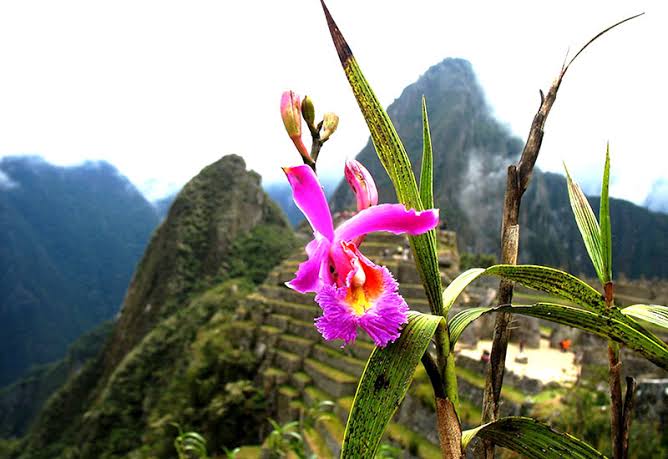
Index 1. What does the word Pachamama really mean? The word Pachamama comes from the Quechua language and is one of the […]

Index
- What does the word Pachamama really mean?
- The origin of Pachamama: an ancestral belief from the Andes
- Pachamama and the Andean worldview: a way of understanding the world
- The Apus, the Pachamama and the balance of nature
- Why was the land considered sacred by the Incas?
- Payments to the land: a tradition that is still alive in the Andes
- Pachamama and its importance in Andean agriculture
- Inti Raymi and Pachamama: the relationship between the Sun, the earth and life
- How is the Pachamama tradition kept alive in Cusco?
- Discover the living culture of the Andes with GT Peru Travel
1. What does the word Pachamama really mean?
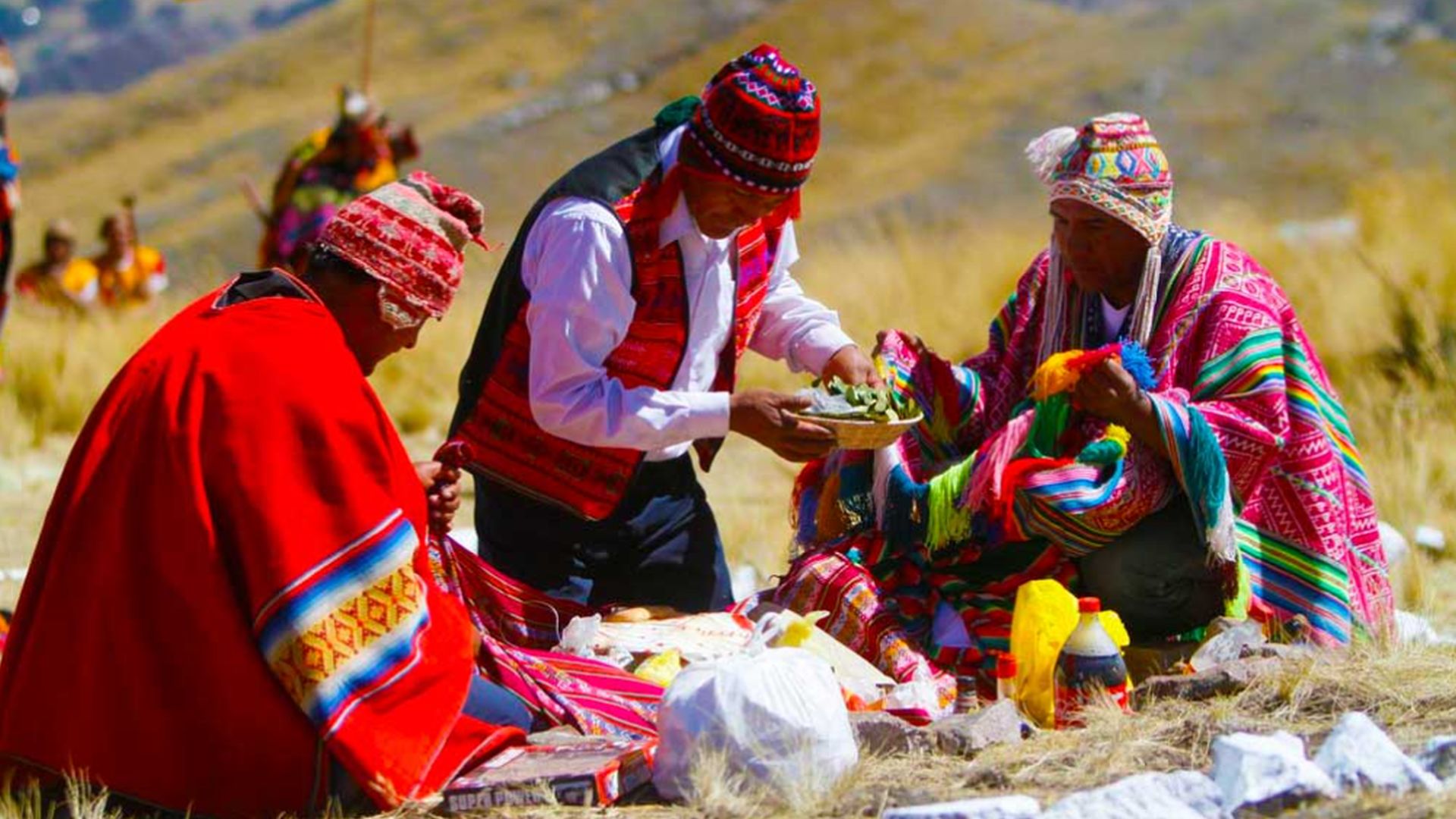
the word Pachamama It comes from the Quechua language and constitutes one of the most important concepts within the Andean worldview. Although it is usually translated as "Mother Earth", its meaning is much broader and deeper than this literal interpretation.
In Quechua, the term «pacha» It can refer to the world, the universe, space, time and even the set of elements that make up reality. For its part, "mom" means mother. For this reason, Pachamama does not only represent the earth as soil or territory, but rather a comprehensive vision of nature as a source of life, balance and sustenance for human communities.
For the ancient Andean peoples, nature was not seen as a resource destined solely for human use. There was a relationship of reciprocity in which people depended on the land to obtain food, water and resources necessary for survival, but at the same time they had to show respect and gratitude for what they received. This way of understanding the world continues to be one of the bases of Andean culture to this day.
The importance of Pachamama is closely linked to agriculture. For centuries, communities in the Andes depended on natural cycles to guarantee their crops and food. The land was considered the origin of life and responsible for providing the products that sustained families and communities. Therefore, respect for Pachamama was part of numerous cultural practices related to planting, harvesting and daily activities.
Today, the concept of Pachamama is still present in many regions of Peru, especially in Cusco and other Andean areas where various communities maintain traditions related to gratitude for the land and respect for nature. These practices constitute a living expression of a vision of the world that has managed to maintain itself over the centuries.
Understanding the true meaning of Pachamama allows travelers to get closer to one of the fundamental ideas of Andean culture. More than an isolated belief, it represents a way of understanding the relationship between people, nature and the environment, a philosophy that continues to be part of the cultural identity of the Peruvian Andes.
2. The origin of Pachamama: an ancestral belief from the Andes

The belief in Pachamama has roots much older than the Inca Empire itself. Before the expansion of the Incas, various cultures that inhabited the Andes already maintained a close relationship with nature and developed belief systems linked to the land, mountains, rivers, lagoons and other elements fundamental to the life of their communities.
Andean societies depended directly on agriculture and the resources provided by their environment. Due to the difficult geographical conditions of the Andes, survival was closely related to factors such as rainfall, soil fertility, water availability and climate cycles. As a result, many communities developed ways of interpreting nature as an essential force for the continuity of life and collective well-being.
Over time, these beliefs were integrated and strengthened within the different Andean cultures. When the Incas consolidated the Tahuantinsuyo during the 15th and 16th centuries, they incorporated numerous knowledge, traditions and religious practices from the peoples that they integrated into their territory. In this context, the Pachamama occupied an important place within the world vision developed by the Incas, along with other fundamental elements such as the Sun (Inti), the Moon (Quilla) and the Apus or sacred mountains.
It is important to note that Pachamama was not conceived as an isolated divinity, but as part of a complex network of relationships between people, nature and the universe. Within the Andean worldview, all these elements were interconnected and played complementary functions to maintain the balance of the world. This vision explains why the earth was considered a permanent source of life, fertility and renewal.
After the arrival of the Spanish in the 16th century, many Andean cultural practices underwent processes of transformation and integration with elements of the Christian tradition. However, numerous customs related to Pachamama managed to stay alive in the rural communities of the Andes. Thanks to the transmission of knowledge between generations, these traditions continue to be part of the cultural identity of millions of people in Peru, Bolivia, Ecuador and other Andean regions.
Currently, Pachamama continues to be one of the most representative cultural expressions of the Andean world. Its permanence demonstrates the depth of a tradition that has accompanied the populations of the Andes for centuries and that continues to offer a valuable perspective on the relationship between human beings and nature.
For travelers visiting Cusco, knowing the origin of Pachamama allows us to better understand many of the customs, festivities and cultural expressions that are still part of the daily life of Andean communities. It is an opportunity to discover an ancestral heritage that is still alive in one of the most important cultural territories in South America.
3. Pachamama and the Andean worldview: a way of understanding the world
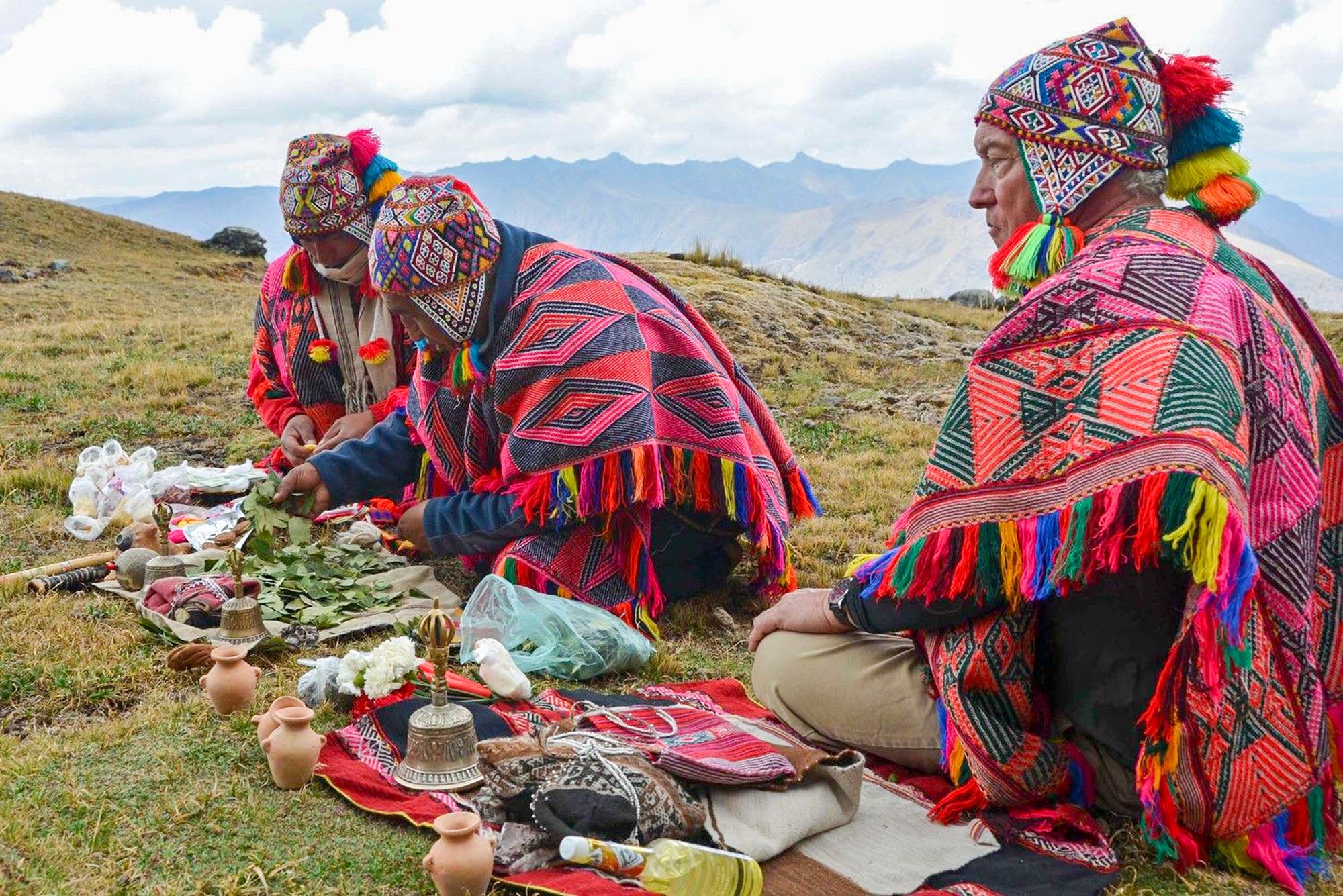
To understand the importance of Pachamama, it is necessary to first understand the Andean worldview, a way of interpreting the world developed by the people of the Andes over thousands of years. Unlike other visions where human beings occupy a central position over nature, the Andean worldview considers that people are part of a broader system in which all elements of the environment are interconnected.
Within this conception, nature is not seen as a simple set of resources intended for human use. Mountains, rivers, lagoons, animals, plants and land have a special value because they contribute to the balance that makes life possible. Pachamama represents precisely that relationship of interdependence between communities and the natural environment that surrounds them.
One of the fundamental principles of the Andean worldview is reciprocity, known in Quechua as ayni. This concept establishes that all action must maintain a balance between giving and receiving. Just as the earth provides food, water and resources for survival, people must act with respect and gratitude towards nature. This idea continues to be present in many cultural practices that are still developed in various communities of Cusco and other Andean regions.
Another important aspect is the permanent search for harmony between the different elements that make up the world. In the Andean tradition, the well-being of people depends on the balance between the community, nature and the forces that intervene in the environment. For this reason, Pachamama cannot be understood only as the physical earth, but as a representation of life, fertility and the continuity of natural cycles.
This vision also helps to understand why many traditional celebrations in the Andes are related to agriculture, seasonal changes and astronomical phenomena. Festivities such as Inti Raymi, agricultural ceremonies and various community practices reflect a deep connection with the cycles of nature and with the elements that make life possible in the Andean mountains.
Currently, the Andean worldview continues to be part of the cultural identity of numerous communities in Cusco. Although society has experienced important transformations over the centuries, many knowledge and values associated with Pachamama continue to be transmitted from generation to generation, keeping alive one of the most representative cultural traditions of the Andes.
For those who visit Cusco, knowing this way of understanding the world allows a deeper appreciation of the cultural richness of the region. Beyond its monuments and landscapes, the Andean worldview offers a unique perspective on the relationship between people and nature, a vision that has influenced the history, traditions and daily life of the Andes for centuries.
4. The Apus, the Pachamama and the balance of nature
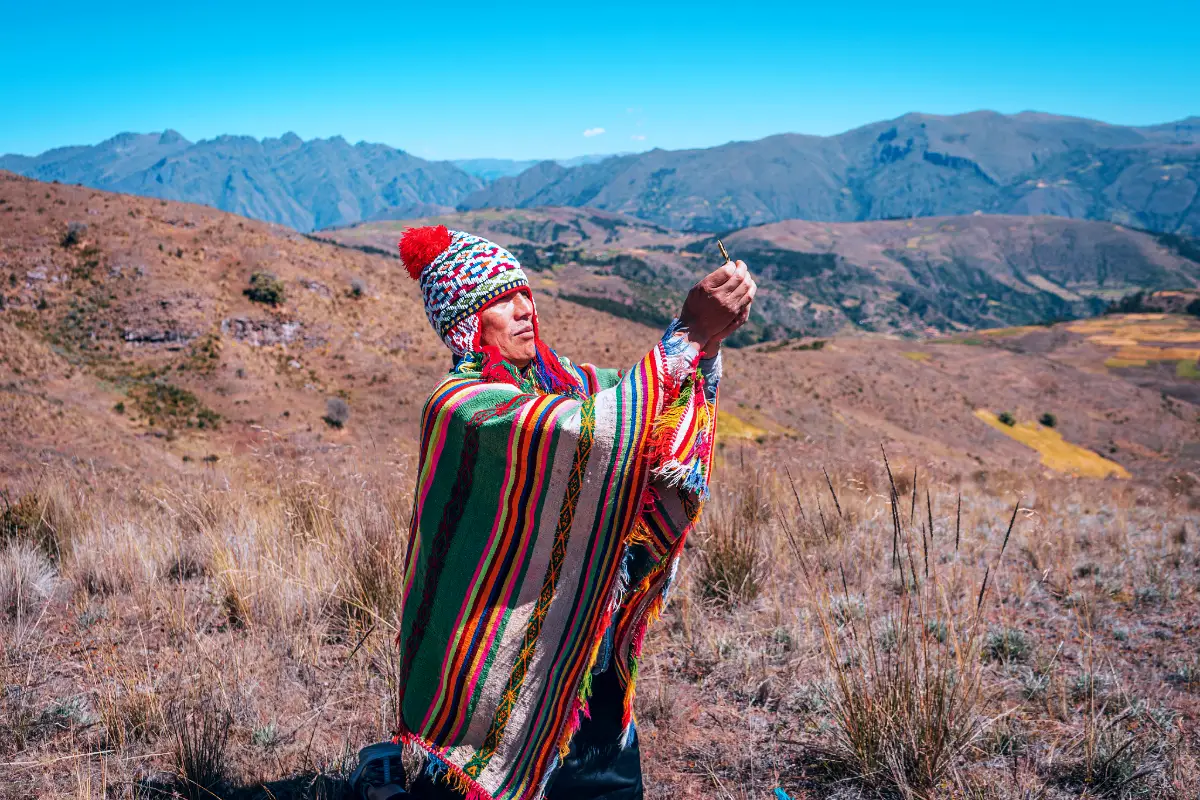
Within the Andean worldview, Pachamama does not act in isolation. It is part of a complex relationship between various natural elements considered fundamental for life, including Apus, name given to the sacred mountains of the Andes. Together they represent a vision of the world where nature functions as an interconnected system in which each element fulfills an essential function to maintain the balance of the environment.
The Apus are generally the most imposing mountains in a region and, since ancient times, they have been considered protectors of the communities that live at their feet. In Cusco, snow-capped mountains such as Ausangate, Salkantay and Wakaywillka (Verónica) continue to be recognized by many Andean communities as mountains of great cultural and symbolic importance. Its presence is closely related to water, the fertility of the fields and the conservation of mountain ecosystems.
The connection between the Apus and Pachamama can be understood through the role that both play within nature. While the Pachamama represents the land as a source of life and fertility, the Apus are seen as guardians of the territory and providers of essential resources, especially the water that feeds rivers, lagoons and agricultural areas. This relationship reflects the way in which the Andean people understood the dependence between the different natural elements.
The importance of this connection is especially evident in regions like Cusco, where traditional agriculture has historically depended on resources from the mountains. The glaciers, springs and water courses that originate in the high peaks have allowed the development of agricultural communities for centuries, strengthening respect for the mountains and the land that makes food production possible.
This vision of natural balance is also present in numerous Andean cultural traditions. The ceremonies, festivities and community practices developed in different regions of the Andes usually reflect gratitude and respect for the elements that sustain life. The Pachamama and the Apus represent two of the most important symbols of this relationship between people and nature.
Currently, both the Pachamama and the Apus continue to occupy a relevant place within the Andean cultural identity. Its presence is not only part of the traditions of many communities, but also helps to understand a way of understanding the world based on balance, reciprocity and respect for the natural environment.
For travelers visiting Cusco, knowing the meaning of the Apus and their relationship with Pachamama allows them to appreciate the Andean landscapes from a different perspective. The mountains, lagoons and valleys cease to be only natural settings and become part of a cultural heritage that has accompanied Andean communities for generations.
5. Why was the land considered sacred by the Incas?
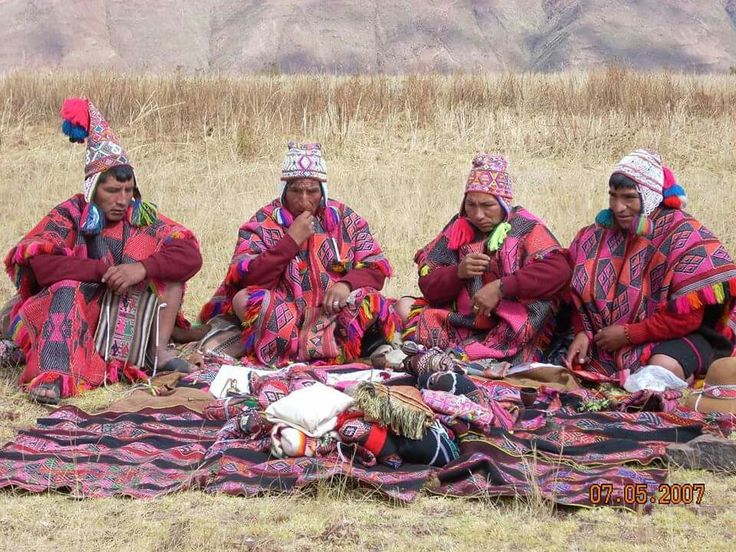
For the Incas, the land was much more than the space where food was grown. It represented the basis of life, the prosperity of communities and the continuity of future generations. In a society where agriculture constituted the main economic and social support, soil fertility and the balance of natural cycles were essential to guarantee the well-being of the entire population.
The geography of the Andes presented great challenges for agricultural development. The mountains, the sudden changes in altitude and the climatic variations forced the Andean populations to develop advanced knowledge about the management of the territory. Thanks to techniques such as agricultural terraces, irrigation systems and the selection of crops adapted to different ecological floors, the Incas managed to efficiently take advantage of the available resources. This close dependence on the land strengthened the respect that the communities felt towards it.
Within the Andean worldview, the land was considered a permanent source of life because it provided food, water, and resources essential for survival. Agricultural production was not seen only as an economic activity, but as the result of a balanced relationship between people and nature. Therefore, the care of crops and respect for agricultural cycles were part of the daily life of the communities.
The importance of the land can also be seen in the organization of the Inca agricultural calendar. Many community activities were related to planting, growing crops, and harvesting. Likewise, festivities such as Inti Raymi were closely linked to natural cycles and the need to ensure good conditions for agricultural production during the year.
Chroniclers of the colonial era described how Andean populations carried out various gratitude practices related to the land and agriculture. These expressions reflected a vision in which natural resources should be used responsibly and where people's well-being depended directly on harmony with their environment.
Currently, many communities in Cusco continue to preserve part of this cultural legacy. Although ways of life have changed over time, respect for the land is still present in numerous agricultural traditions, festivities and customs that are part of contemporary Andean identity.
Understanding why the land was considered sacred allows us to understand one of the fundamental principles of Inca culture: the deep connection between nature and human life. This vision continues to be one of the most representative characteristics of the cultural heritage of the Andes and one of the aspects that most surprises travelers who visit Cusco.
6. Payments to the land: a tradition that is still alive in the Andes
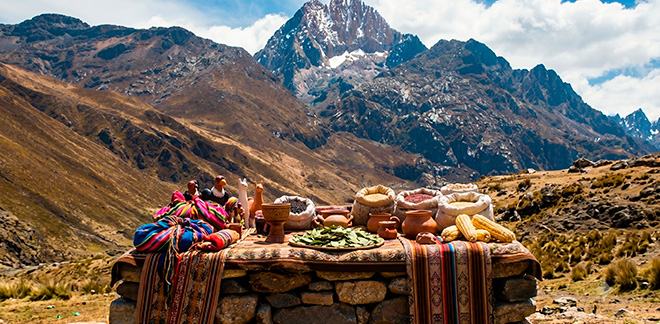
The so-called payments to the land They are one of the most representative cultural expressions of the Andean worldview and constitute a tradition that continues to be practiced in various communities of Cusco and other regions of the Andes. These ceremonies are linked to gratitude to Pachamama for the food, water, health and resources that make the lives of people and communities possible.
Although each community may retain particular practices, the fundamental principle is the same: express gratitude and maintain a reciprocal relationship with nature. Within the Andean vision, the land provides the necessary resources for survival, so gratitude occupies an important place within many agricultural, family and community activities.
Ceremonies are usually led by people with extensive knowledge of Andean traditions, known in some regions as paqos or ritual specialists. During the preparation of the offering, various symbolic elements are used, including coca leaves, seeds, flowers, cereals, traditional sweets and other carefully selected products. Each of these elements has a meaning related to the wishes, prosperity, health or harmony of those who participate in the ceremony.
In the Cusco region, payments to the land are usually made at different times of the year, especially on dates linked to agriculture, changes of season, traditional festivities and important events for families or communities. They are also frequent during the month of August, considered by many Andean communities as an especially significant period to pay tribute to Pachamama.
Currently, these ceremonies are also part of some cultural experiences aimed at visitors interested in learning about the Andean worldview. When developed with respect and participation of local communities, they allow a better understanding of the way in which many populations continue to relate to nature and preserve knowledge transmitted for generations.
It is important to note that payments to the land should not be understood solely as ceremonial acts. They represent a way of expressing values deeply rooted in Andean culture, such as reciprocity, respect for the natural environment and the search for balance between people and nature. These principles have accompanied Andean communities for centuries and continue to be an important part of their cultural identity.
For many travelers, witnessing or learning about these ceremonies is an opportunity to get closer to a lesser-known dimension of Cusco. Beyond the monuments and landscapes, payments to the land allow us to discover a living tradition that reflects the deep connection between Pachamama, the Andean communities and the natural cycles that sustain life in the Andes.
7. La Pachamama and its importance in Andean agriculture

Agriculture has been one of the fundamental pillars of Andean societies for thousands of years, and within this context Pachamama occupies a central place. For the communities of the Andes, the land was not simply a space for cultivation, but the source of life that made possible the production of food and the development of human populations. This vision explains why agriculture and Pachamama have historically been closely linked.
The ancient inhabitants of the Andes developed a deep knowledge of the natural cycles, seasons, soils and climatic conditions of each region. Thanks to this knowledge, they managed to grow an enormous diversity of products, including potatoes, corn, quinoa, oca, mashua and other foods that continue to be fundamental for Peruvian gastronomy. The success of these activities depended directly on the fertility of the land, which is why Pachamama was considered essential for the well-being of the communities.
The importance of agriculture in the Andean world can also be seen in the extraordinary engineering developed by the Incas and other pre-Hispanic cultures. Agricultural platforms, irrigation systems and the adaptation of crops to different ecological floors made it possible to efficiently take advantage of territories of great geographic complexity. These innovations reflect the close relationship that existed between communities and the natural environment that supported them.
In many rural communities of Cusco, agricultural activities continue to be accompanied by traditional practices related to Pachamama. Planting and harvesting usually preserve cultural elements that express respect for the land and recognition of the natural resources that allow us to obtain food. These customs are part of a cultural heritage transmitted from generation to generation.
The connection between Pachamama and agriculture also helps to understand the importance that agricultural calendars had within the Inca civilization. Various festivities, ceremonies and community activities were organized according to production cycles and seasonal changes that directly influenced crops. This relationship between nature and agriculture continues to be a distinctive characteristic of many Andean communities today.
For travelers who visit Cusco, knowing the role of Pachamama in agriculture allows them to appreciate the Andean landscapes, the crop fields and the rural communities that still preserve ancestral practices in a different way. Beyond its productive value, land represents a fundamental element within the cultural identity of the Andes and one of the reasons why this region has one of the oldest and most diverse agricultural traditions in the world.
8. Inti Raymi and Pachamama: the relationship between the Sun, the earth and life
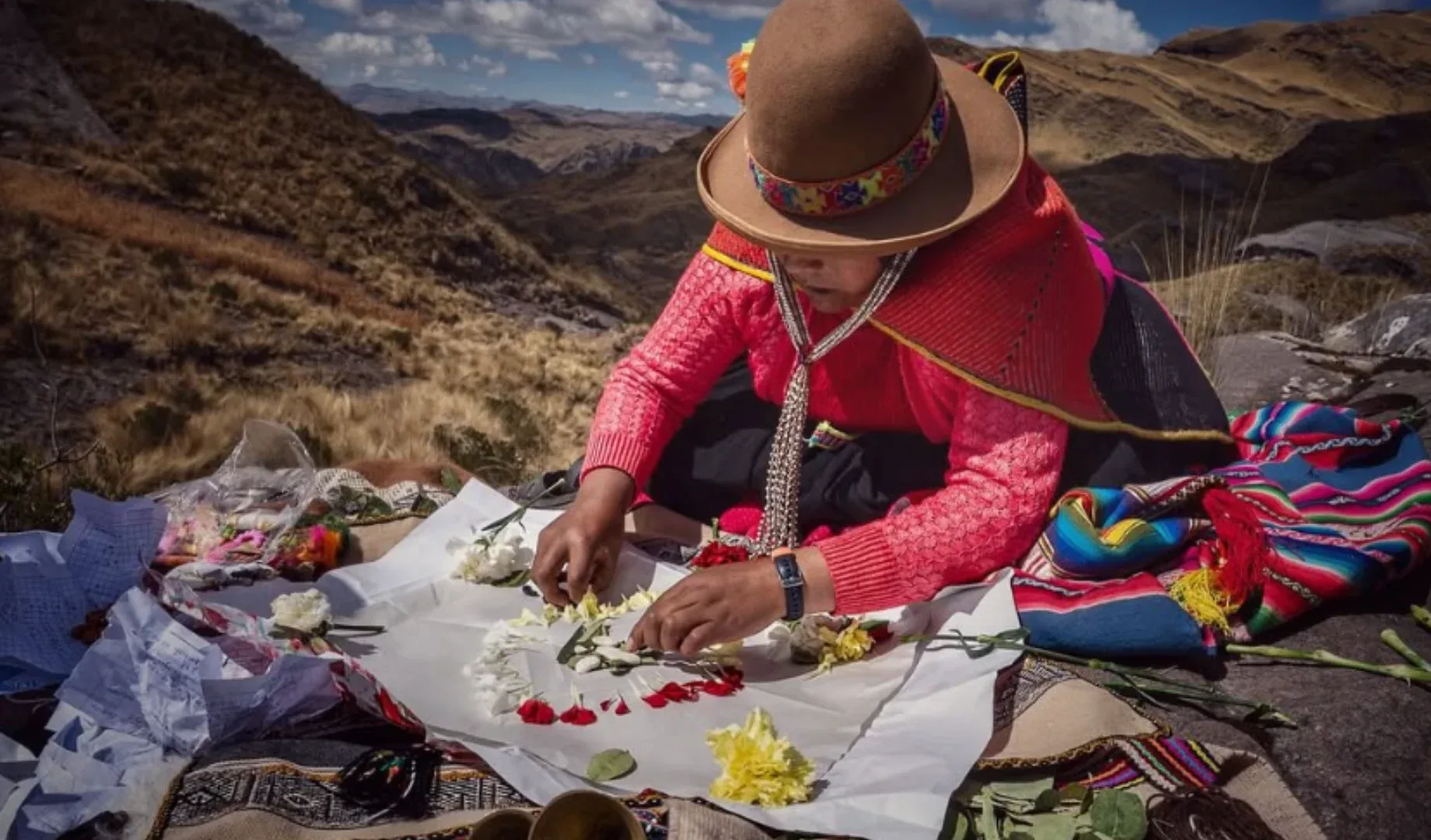
Within the Andean worldview, life depended on the balance between various elements of nature. Among the most important were the Inti, or Sun, and the Pachamama, the land that provided the resources necessary for the survival of the communities. Far from being independent concepts, both were part of an integrated vision of the world where agriculture, natural cycles and people's well-being were deeply connected.
For the ancient Incas, the Sun played a fundamental role because it provided light, heat and the necessary conditions for the growth of crops. The observation of solar movements made it possible to organize agricultural activities and establish calendars that guided sowing, care of the fields and harvesting. Thanks to this astronomical knowledge, communities could better adapt to the conditions of the Andes and take advantage of available resources more efficiently.
Pachamama, for its part, represented the fertility of the land and the ability to produce food. While the Sun provided the energy necessary for the development of life, the land provided the space where the crops that supported the Andean populations grew. This symbolic relationship between the Sun and the Earth explains why both occupied a central place within the worldview developed by the Incas and other cultures of the Andes.
The Inti Raymi, celebrated every June 24 in Cusco, constitutes one of the most representative examples of this connection. The festival coincides with the period of winter solstice in the southern hemisphere, a time when the ancient Incas observed the shortest day and longest night of the year. This event marked the beginning of a new solar cycle and was interpreted as a stage of renewal linked to the future of agriculture and the well-being of the Empire.
Although Inti Raymi is known as the Festival of the Sun, its meaning goes far beyond astronomical observation. The celebration also reflects the importance of the land, crops and natural resources that allowed the continuity of life in the Andes. For this reason, the relationship between Inti and Pachamama can be understood as a representation of the balance that should exist between the forces of nature and human activities.
Currently, Inti Raymi continues to be one of the most important cultural festivities in Peru and one of the main tourist attractions in Cusco. For visitors, this celebration offers a unique opportunity to understand how the ancient Incas interpreted the cycles of nature and why concepts such as the Sun and Pachamama continue to occupy a prominent place within Andean cultural identity.
Understanding the relationship between Inti Raymi and Pachamama allows us to appreciate in greater depth the cultural legacy of the Andes. Beyond the ceremonies and representations, this tradition reflects a way of understanding the world where nature, agriculture and human life are part of the same balance.
9. How is the Pachamama tradition kept alive in Cusco?

Despite the passage of centuries and the profound social changes that have occurred since Inca times, Pachamama continues to occupy an important place within the cultural identity of many communities in Cusco. Its presence can be observed in various traditions, agricultural practices, festivities and cultural expressions that continue to be part of daily life in the Andean region.
In numerous rural communities, respect for the land continues to be manifested through customs linked to planting, harvesting and the responsible use of natural resources. These practices reflect ancestral knowledge transmitted from generation to generation and keep alive a vision of the world based on reciprocity and balance with nature.
Ceremonies of gratitude to Pachamama are also still present in different locations in Cusco. Although each community retains its own characteristics, many of these activities aim to express gratitude for food, health, work, and collective well-being. These cultural manifestations are part of a heritage that continues to be valued by contemporary Andean populations.
The validity of Pachamama can also be seen during important cultural celebrations in the region. Festivities such as Inti Raymi, the Jubilee Month of Cusco and various community activities linked to the agricultural calendar contribute to preserving and disseminating knowledge related to the Andean worldview. These celebrations allow new generations to learn about traditions that have accompanied the Andean people for centuries.
Currently, travelers' interest in Andean culture has generated new opportunities to make these traditions known. Various cultural experiences developed in rural communities allow visitors to get closer to ancestral customs and better understand the relationship that exists between Pachamama, agriculture, the Apus and daily life in the Andes. When these activities are carried out with respect for local communities, they also contribute to the valorization and conservation of cultural heritage.
For those who visit Cusco, discovering the Pachamama tradition represents an opportunity to discover a deeper dimension of the destination. Beyond its impressive archaeological sites and natural landscapes, the region preserves a cultural wealth that continues to live on in the customs, knowledge and ways of understanding the world inherited from the ancient Andean civilizations.
The permanence of Pachamama in contemporary life shows that it is not just a belief from the past. Its meaning continues to inspire values related to respect for nature, the importance of community and the search for balance between people and their environment, principles that remain fundamental in many regions of the Peruvian Andes.
10. Discover the living culture of the Andes with GT Peru Travel
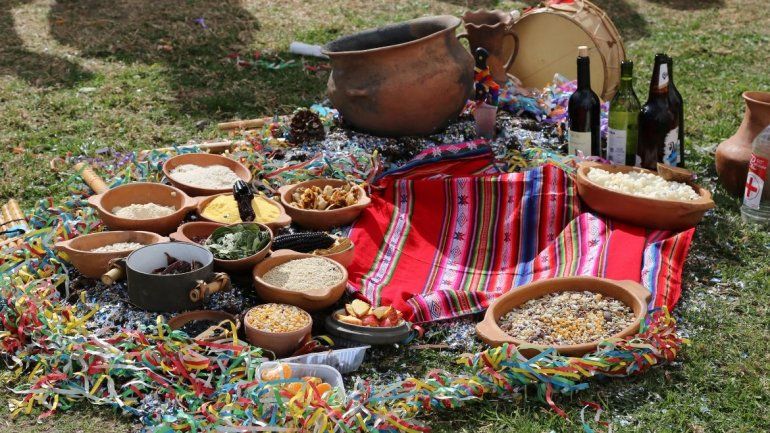
Understanding the meaning of Pachamama allows us to get closer to one of the most important expressions of Andean culture. Its presence in traditions, festivities and agricultural activities demonstrates the deep relationship that the communities of the Andes have maintained with nature throughout the centuries. This cultural heritage continues to be part of Cusco's identity and constitutes one of the aspects that most surprises those who visit the region.
Exploring Cusco means discovering much more than impressive landscapes and archaeological monuments. It also implies knowing the customs, knowledge and ways of understanding the world that have been transmitted from generation to generation and that are still valid in numerous Andean communities.
For those who wish to delve deeper into the history and traditions of the Andean world, the following related articles may be of interest:
Related articles
- Huatia: ancestral tradition and Andean gastronomic heritage.
- Inti Raymi: history and meaning of the Festival of the Sun.
Likewise, those who wish to discover up close the cultural, historical and natural wealth of the region can learn about the programs and experiences developed by GT Peru Travel, designed to visit some of the most representative destinations of Cusco and Peru.
Recommended programs
- Tour packages in Cusco.
- Sacred Valley of the Incas.
- Machu Picchu.
- Mountain of Colors.
- Humantay Lagoon.
GT Peru Travel promotes experiences that allow you to discover not only the main tourist attractions of the region, but also the traditions and cultural expressions that continue to give life to the Peruvian Andes.
GT Peru Travel – Responsible for your dream trip.
Brishet Valle
Author · GT Peru Travel · Cusco, Peru
Content prepared by the GT Peru Travel team to help you plan a safe and authentic experience in Peru.