


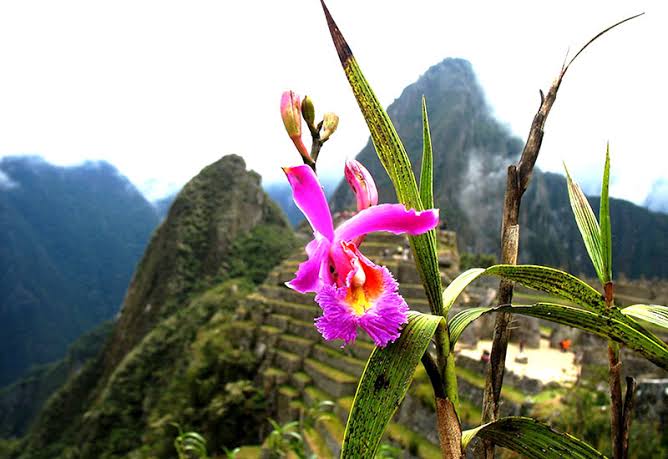
Introduction The Historical Sanctuary of Machu Picchu is one of the most important natural and cultural spaces in Peru. Besides […]

Introduction
The Historic Sanctuary of Machu Picchu It is one of the most important natural and cultural spaces in Peru. In addition to housing the Inca citadel of Machu Picchu, it protects a wide diversity of ecosystems where hundreds of species of plants and animals live, many of them endemic to the Andes and cloud forests.
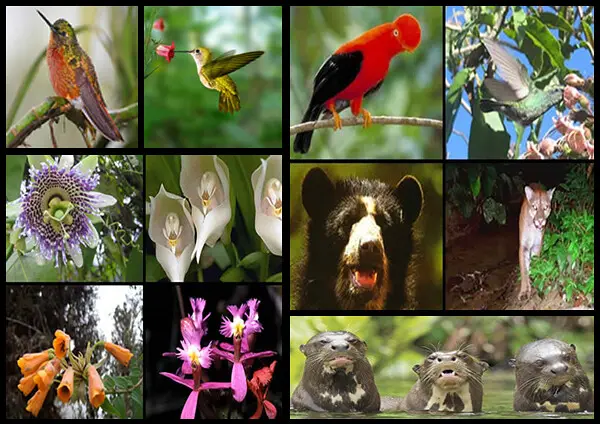
Its location between the Andes mountain range and the Amazon basin creates ideal conditions for the development of extraordinary biodiversity. From montane forests to high mountains, the sanctuary is home to orchids, bromeliads, ferns, native trees and emblematic species such as the Andean bear, the cock-of-the-rock, the puma and a wide variety of birds, butterflies and amphibians.
Thanks to its exceptional natural and cultural wealth, the Historical Sanctuary of Machu Picchu was declared UNESCO World Heritage in 1983 and continues to be a fundamental protected area for the conservation of Peru's biodiversity. In this article you will learn about the main ecosystems, the most representative species and the importance of preserving this invaluable natural heritage.
Index
- The Historical Sanctuary of Machu Picchu: a natural treasure of Peru
- The ecosystems that give life to the sanctuary
- The flora of the Historic Sanctuary of Machu Picchu
- The fauna of the Historic Sanctuary of Machu Picchu
- Emblematic species of the Historic Sanctuary of Machu Picchu
- The importance of conserving the sanctuary's biodiversity
- Frequently asked questions
1. The Historical Sanctuary of Machu Picchu: a refuge of biodiversity
The Historical Sanctuary of Machu Picchu is a protected natural area located in the province of Urubamba, Cusco region. It was established on January 8, 1981 with the aim of conserving the archaeological heritage of Machu Picchu and protecting the Andean-Amazonian ecosystems that house one of the highest concentrations of biodiversity in the country.
With a surface of 32,592 hectares, the sanctuary extends from the high Andes mountains to the cloud forests surrounding the Urubamba River valley. This wide variation in altitudes, which ranges approximately from 2 000 to more than 6 000 meters above sea level, favors the existence of diverse ecosystems and an extraordinary wealth of flora and fauna.
In 1983, the Historical Sanctuary of Machu Picchu was registered by the UNESCO like Mixed World Heritage, a recognition granted to places that have exceptional value for both their cultural heritage and their natural heritage. Thanks to this distinction, Machu Picchu is one of the few sites in the world that combines an archaeological citadel of great historical importance with an ecosystem of high biological diversity.
Currently, the sanctuary protects thousands of species of plants, birds, mammals, reptiles, amphibians and insects, many of them typical of Andean montane forests. This natural wealth makes Machu Picchu not only a world-famous archaeological destination, but also an important refuge for the conservation of Peru's biodiversity.
2. The ecosystems of the Historic Sanctuary of Machu Picchu
The extraordinary biodiversity of the Historic Sanctuary of Machu Picchu is due to its strategic location between the Andes mountain range and the Amazon basin. This geographical transition, added to the differences in altitude, temperature and humidity, has given rise to a great variety of ecosystems that are home to numerous species of flora and fauna.
One of the most representative environments is the cloud forest or montane forest, characterized by the constant presence of fog and abundant rain during much of the year. These conditions favor the growth of orchids, bromeliads, ferns, mosses and trees covered in lichens, creating one of the ecosystems with the greatest biological diversity in Peru.
In the higher altitude areas, high Andean grasslands and mountain vegetation predominate, adapted to low temperatures and strong winds. In contrast, the valleys and ravines near the Urubamba River have a warmer and more humid climate, allowing the development of forests with denser and more diverse vegetation.
The combination of these ecosystems makes the Historic Sanctuary of Machu Picchu an ideal habitat for hundreds of species of plants, birds, mammals, amphibians and insects. In addition, it plays a fundamental role in water regulation, soil conservation and the ecological balance of one of the most important protected natural areas in Peru.
3. The flora of the Historical Sanctuary of Machu Picchu
The Historical Sanctuary of Machu Picchu is home to one of the greatest diversities of plants in Peru thanks to the variety of ecosystems present in its territory. Botanical studies have recorded more than 3,000 species of vascular plants, a figure that reflects the extraordinary biological wealth of this protected natural area.
One of the most representative groups are the orchids, with more than 400 registered species, many of them endemic to the Peruvian Andes. Its diversity of shapes, colors and sizes has made the sanctuary one of the main destinations for researchers and lovers of botany.
In addition to orchids, the cloud forest is home to bromeliads, ferns, mosses, lichens and numerous species of native trees such as alder, queuña and intimpa, which play a fundamental role in soil conservation, water regulation and the balance of ecosystems.
The sanctuary's vegetation also provides food, shelter and breeding grounds for numerous species of birds, mammals, amphibians and insects. This close relationship between flora and fauna makes the Historic Sanctuary of Machu Picchu one of the most important ecosystems for the conservation of biodiversity in the tropical Andes.
4. The fauna of the Historic Sanctuary of Machu Picchu
The Historic Sanctuary of Machu Picchu is home to an extraordinary diversity of fauna thanks to the variety of ecosystems that extend from cloud forests to the Andean mountains. They have registered more than 400 species of birds, around 70 species of mammals, in addition to numerous amphibians, reptiles, fish and insects that play a fundamental role in the ecological balance of the protected area.
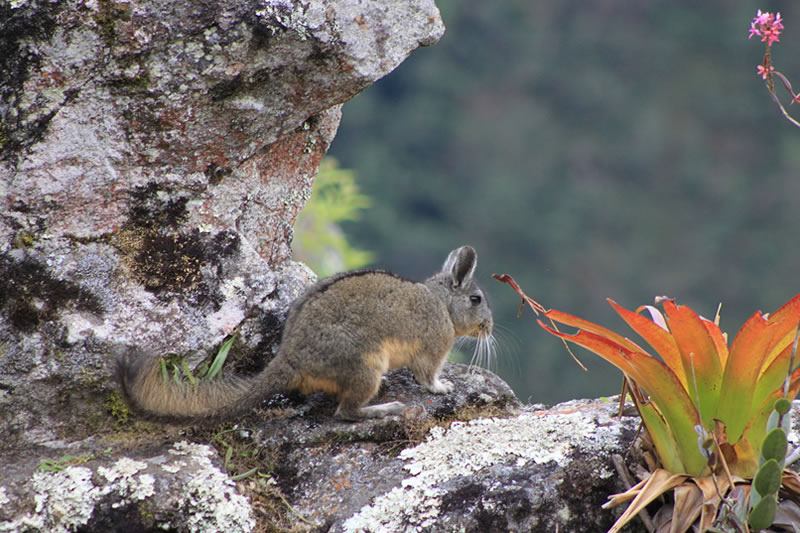
Among the most representative mammals, the Andean bear or spectacled bear (Tremarctos ornatus), the only bear native to South America and a species classified as vulnerable. They also inhabit the puma, the white tail deer, the taruca, the andean fox, the vizcacha and small mammals adapted to montane forests and high Andean areas.
The birdlife is one of the sanctuary's greatest attractions. The cock of the rock (Rupicola peruvianus), national bird of Peru, recognized for its striking plumage and its spectacular courtship rituals. In addition, it is possible to find hummingbirds, tanagers, mountain toucans, parrots and various birds of prey that make the sanctuary a destination of great interest for bird watching.
The rivers, streams and humid forests also serve as habitat for a wide variety of amphibians, reptiles, butterflies and insects, many of them endemic to the tropical Andes. The presence of this fauna reflects the good state of conservation of the Historic Sanctuary of Machu Picchu and the importance of protecting one of the ecosystems with the greatest biodiversity in Peru.
5. Emblematic species of the Historic Sanctuary of Machu Picchu
The Historic Sanctuary of Machu Picchu is home to numerous species that have become symbols of its natural wealth and conservation efforts in the Peruvian Andes. Many of them can be observed during the visit to the citadel or along routes such as the Inca Trail, as long as a safe distance is maintained and their habitat is respected.
The andean bear (Tremarctos ornatus) is the most representative species of the sanctuary. Considered the only bear native to South America, it plays a fundamental role in seed dispersal and the balance of montane forests. Although it is an animal with solitary habits and difficult to observe, its presence is an indicator of the good conservation of the ecosystem.
Another emblematic species is the cock of the rock (Rupicola peruvianus), national bird of Peru. It inhabits the cloud forests of the sanctuary and is known for the intense orange-red color of the males and for their striking courtship rituals, especially during the reproductive season.

Among the flora, the orchids They occupy a prominent place for their extraordinary diversity. The sanctuary is home to more than 400 species, many of them exclusive to the tropical Andes. Together with bromeliads, ferns and native trees, they are part of an ecosystem that provides food and shelter to hundreds of animal species.
The conservation of these species depends on the balance between tourism and the protection of the natural environment. Therefore, during the visit to the Historic Sanctuary of Machu Picchu it is essential to respect the established trails, avoid feeding the wildlife and contribute to the preservation of one of the most valuable natural spaces in Peru.
6. The importance of conserving the biodiversity of the Historic Sanctuary of Machu Picchu
The conservation of the Historic Sanctuary of Machu Picchu is essential to protect one of the most important natural and cultural heritages in the world. In addition to protecting the Inca citadel, this protected area preserves unique ecosystems that are home to thousands of species of plants and animals, many of them endemic or considered vulnerable.
The National Service of Natural Areas Protected by the State (SERNANP), in coordination with other institutions, develops permanent actions to conserve the biodiversity of the sanctuary. These include the monitoring of wild species, the restoration of ecosystems, the prevention of forest fires, the control of invasive species and the promotion of responsible tourism that reduces the impact on the natural and archaeological environment.
Visitors also play a key role in conservation. Respecting authorized trails, not extracting plants, avoiding feeding or disturbing animals and properly managing waste are actions that contribute to preserving this ecosystem for future generations.
Protecting the Historical Sanctuary of Machu Picchu means preserving not only one of the most important tourist destinations in Peru, but also a space of extraordinary ecological value where nature and the legacy of the Inca Empire coexist in harmony. Its preservation guarantees that this biological and cultural wealth continues to be a symbol of world heritage.
7. Frequently asked questions
What animals can be seen in the Historical Sanctuary of Machu Picchu?
Among the most representative species are the Andean bear, the cock-of-the-rock, the white-tailed deer, the vizcacha, the Andean fox, various species of hummingbirds, mountain toucans, amphibians, reptiles and a great variety of butterflies and insects.
How many species of orchids exist in the sanctuary?
The Historical Sanctuary of Machu Picchu houses more than 400 species of orchids, which makes it one of the places with the greatest diversity of these plants in Peru.
Why does the Historic Sanctuary of Machu Picchu have so much biodiversity?
Its location between the Andes mountain range and the Amazon, together with the great variation in altitudes and climates, favors the development of diverse ecosystems that are home to thousands of species of flora and fauna.
Is it possible to observe wildlife during a visit to Machu Picchu?
Yes. Although many animals are elusive, during the visit it is common to observe birds, butterflies, lizards and other species typical of the cloud forest. The sighting of mammals such as the Andean bear or the puma is rare due to their habits and conservation measures.
Who protects the Historical Sanctuary of Machu Picchu?
The conservation of the sanctuary is in charge of the National Service of Natural Areas Protected by the State (SERNANP), in coordination with the Ministry of Culture, entities responsible for protecting both natural and archaeological heritage.
How can visitors contribute to the conservation of the sanctuary?
Respecting authorized trails, avoiding feeding or disturbing wildlife, not extracting plants or natural elements, correctly managing waste and following the rules established for visiting the Historic Sanctuary of Machu Picchu.
Discover the biodiversity of Machu Picchu with GT Peru Travel

Visiting the Historical Sanctuary of Machu Picchu is an opportunity to admire not only one of the masterpieces of Inca engineering, but also one of the most biodiverse ecosystems in Peru. Each trail, cloud forest and Andean landscape is home to unique species that make this destination an unforgettable experience for lovers of nature, history and adventure.
In GT Peru Travel We design experiences that allow you to discover the natural and cultural wealth of Machu Picchu with the help of professional guides, who will share with you the history, biodiversity and secrets of this extraordinary sanctuary.
We invite you to learn about our tours to Machu Picchu, Inca Trail, Sacred Valley of the Incas and our tourist packages in Cusco, carefully organized so that you can enjoy a safe, authentic trip full of unforgettable experiences.
GT Peru Travel – Responsible for your dream trip.
Brishet Valle
Author · GT Peru Travel · Cusco, Peru
Content prepared by the GT Peru Travel team to help you plan a safe and authentic experience in Peru.


