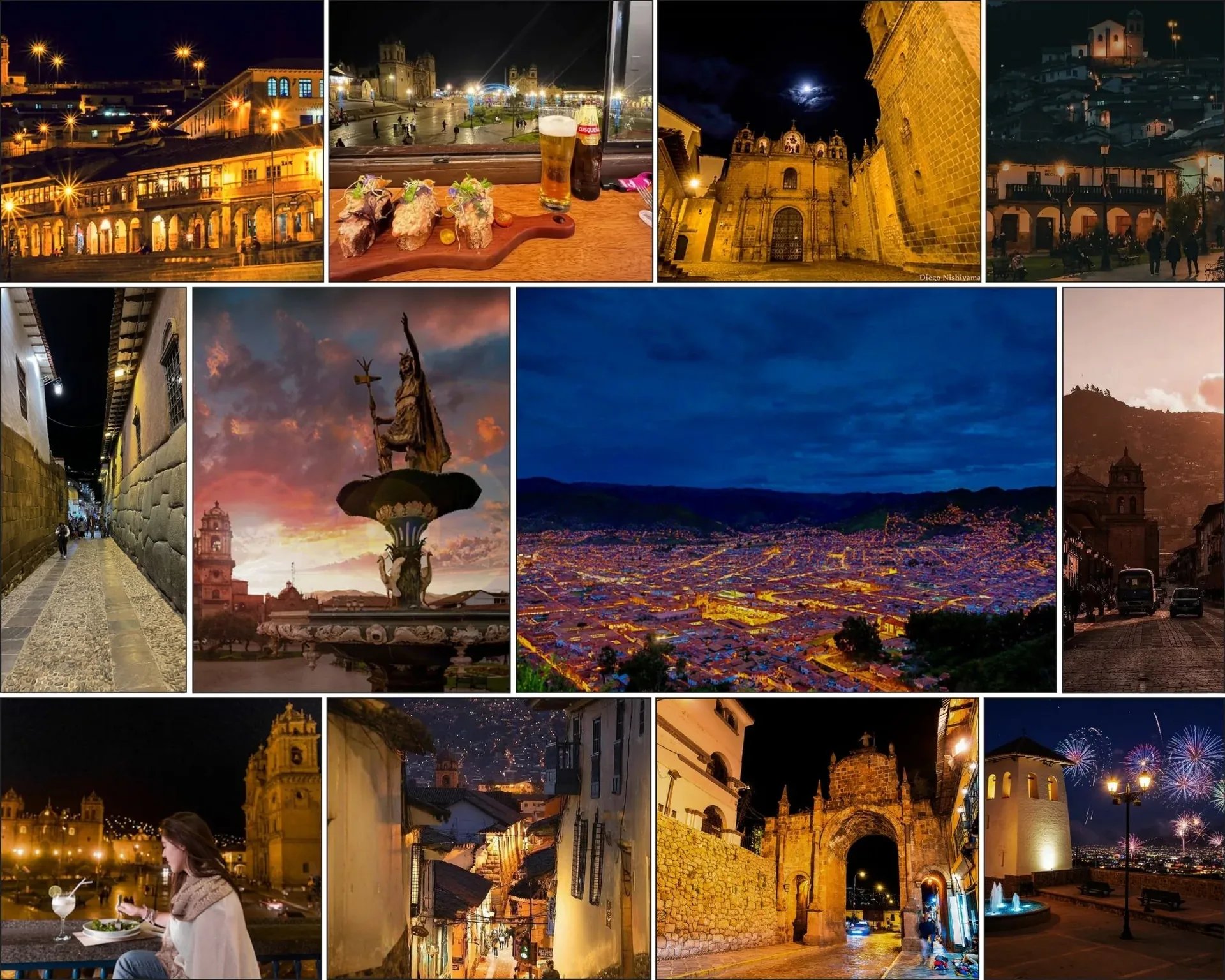
Index 1. What is huatia and why is it a unique tradition of the Andes? The huatia is a […]

Index
- What is huatia and why is it a unique tradition of the Andes?
- The origin of the huatia: a heritage from the ancient Andean communities
- How do you prepare a huatia? The earth oven used since ancient times
- Native potatoes: the main ingredient of huatia
- When and why is the huatia held in Cusco?
- The huatia as a symbol of identity and community work
- Huatia and pachamanca: main differences between two Andean traditions
- Where to live an authentic huatia experience in Cusco?
- The conservation of the gastronomic traditions of the Andes
- Discover the living culture of Cusco with GT Peru Travel
1. What is huatia and why is it a unique tradition of the Andes?

Huatia is one of the oldest cooking techniques preserved in the Andes and is part of the gastronomic heritage of numerous rural communities in Peru. It consists of preparing food using a temporary oven built with clods of earth, which are previously heated to high temperatures. Once the oven is ready, the food is placed inside and cooked using the heat accumulated in the earth and stones.
This tradition is closely linked to the agricultural activities of the Andean communities, especially the potato harvest. For generations, families and farmers have prepared huatias as a way to celebrate the work done in the field and share the products obtained from the land. For this reason, huatia is not only a culinary technique, but also a cultural manifestation related to agriculture, community and gratitude for agricultural production.
One of the aspects that makes huatia unique is the use of the earth itself as the main element of the cooking process. Unlike other traditional methods, the oven is built directly on the ground using blocks of compacted earth that form a structure similar to a small dome. When the lumps are heated and subsequently collapsed onto the food, an ideal environment is created for slow, even cooking.
Although potatoes are usually the most representative ingredient, huatia can also include ocas, broad beans, sweet potatoes and other agricultural products grown in Andean communities. This diversity reflects the richness of traditional agriculture and the close relationship that exists between gastronomy and the natural resources available in each region.
Currently, huatia continues to be practiced in various rural areas of Cusco and other Andean regions, especially during harvest seasons. Its permanence over time demonstrates the importance of knowledge transmitted between generations and the value that communities give to traditions associated with agricultural work and food.
More than a simple way of cooking, huatia represents a cultural expression that connects people with the land, agriculture and customs that have accompanied Andean communities for centuries. For this reason, it continues to be considered one of the most authentic and representative gastronomic traditions of the Peruvian Andes.
2. The origin of the huatia: a heritage from the ancient Andean communities

The huatia has its roots in the ancient agricultural societies that inhabited the Andes long before the rise of the Inca Empire. Various archaeological and ethnographic studies indicate that Andean communities developed cooking techniques adapted to the geographical conditions of the region, taking advantage of the resources available in their environment. Among these techniques, huatia stands out, a practice that has managed to remain current thanks to the transmission of knowledge between generations.
The origin of this tradition is closely related to Andean agriculture, especially with the cultivation of potatoes. For thousands of years, the populations of the Andes have depended on this food as one of the bases of their diet. The harvest represented an important moment in the agricultural calendar, so many communities developed forms of celebration associated with collective work and the use of the products obtained from the land. The huatia emerged in this context as a practical and community way of cooking freshly harvested food.
the word huatia It comes from Quechua and refers to the earth oven used for cooking. Although there are regional variations in its preparation, the basic principle has remained virtually unchanged for centuries: using the heat accumulated in a structure built from clods of earth to cook agricultural products naturally. This technique reflects the deep knowledge that Andean communities developed about their environment and the resources available there.
Unlike other gastronomic preparations that evolved with the incorporation of new technologies, huatia has preserved much of its original character. Its preparation continues to take place outdoors and is usually linked to agricultural activities, family gatherings or community celebrations. This continuity makes huatia one of the oldest gastronomic expressions that can still be observed in different regions of the Peruvian Andes.
The permanence of this tradition demonstrates the importance that agriculture has historically had within Andean societies. Beyond its food function, the huatia represents a cultural heritage that allows us to understand how communities organized their relationship with the land, crops and collective work over time.
Currently, the huatia continues to be valued as a manifestation of cultural identity and as a symbol of the connection between Andean communities and their natural environment. Its history reflects the capacity of rural populations to preserve ancestral knowledge that continues to form part of Peru's cultural heritage.
3. How is a huatia prepared? The earth oven used since ancient times

The preparation of a huatia begins with the construction of a temporary oven made from clods of compacted earth. These blocks are carefully placed forming a structure similar to a small dome or vault. The choice of soil is important, as the soil must have the right consistency to withstand the heat without prematurely disintegrating during the cooking process.
Once the oven is built, a fire is lit inside using dry firewood. During this process, the clods gradually absorb heat until they reach high temperatures. As the temperature increases, the structure begins to crack, a sign that the oven has reached the necessary conditions for cooking food.
When the oven is hot enough, the coals are removed and the agricultural products that will be cooked are placed. Traditionally, freshly harvested native potatoes are used, although geese, broad beans, sweet potatoes and other crops native to the region can also be incorporated. Subsequently, the same hot lumps are dropped on the food, covering it completely and taking advantage of the accumulated heat to cook it evenly.
The cooking process usually lasts between 30 and 60 minutes, depending on the amount of food and the temperature reached by the oven. During this time, the products absorb the heat of the earth and develop particular flavor and texture characteristics that distinguish huatia from other traditional preparation methods.
One of the most anticipated moments is the opening of the oven. Once the cooking is finished, the participants carefully remove the lumps and extract the already cooked food. This activity is usually carried out collectively and is an important part of the social experience associated with the huatia, especially in communities where the preparation continues to be linked to harvest times.
More than a simple culinary technique, the preparation of huatia represents ancestral knowledge passed down for generations. Its preparation demonstrates how Andean communities learned to use the resources available in their environment to develop efficient, sustainable cooking methods deeply linked to traditional Andean agriculture.
4. Native potatoes: the main ingredient of huatia
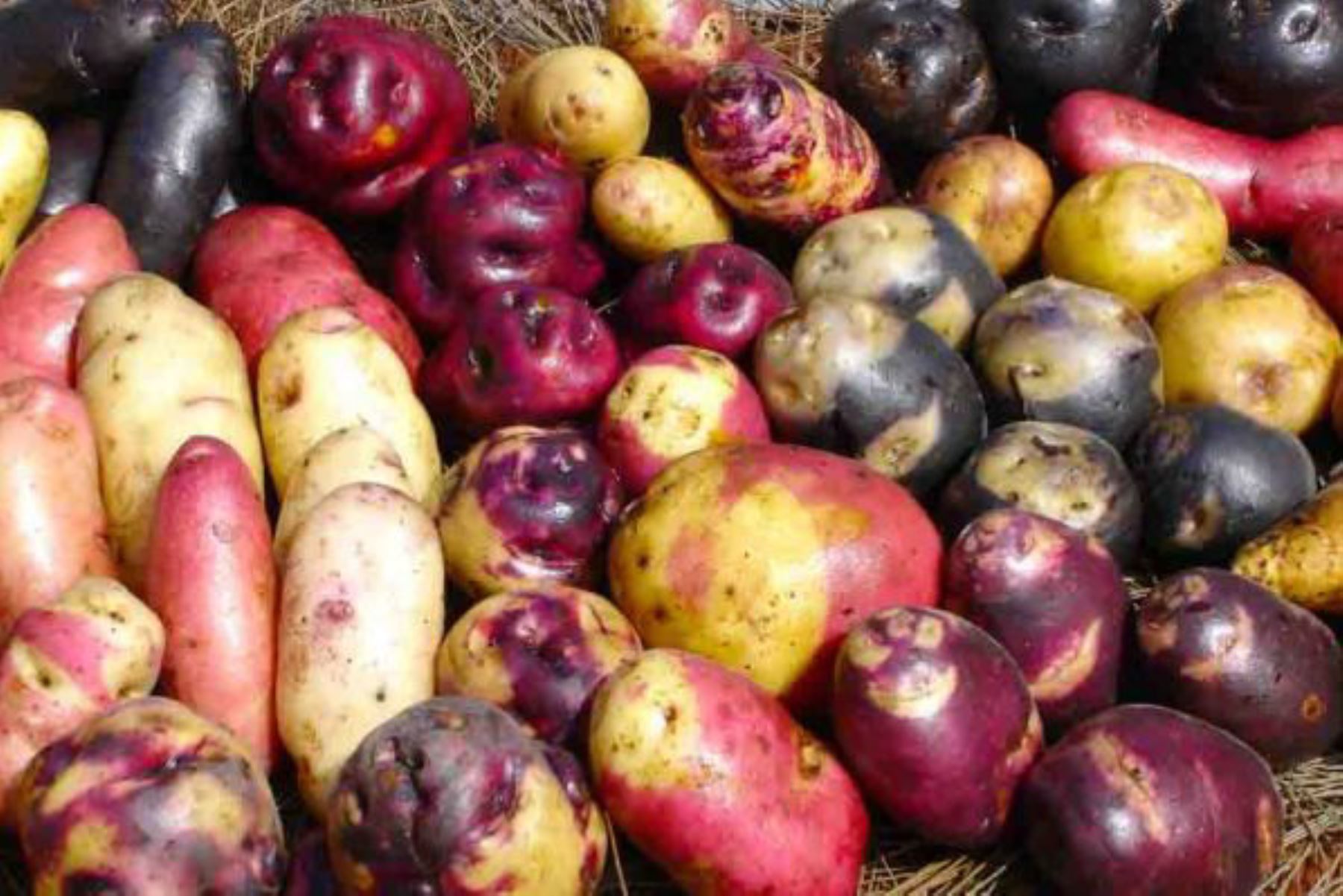
Talking about the huatia is inevitably talking about the potato, one of the most important crops in the Andes and one of Peru's greatest contributions to world food. The central Andes are recognized as the place of origin of the potato, where ancient agricultural communities began its domestication thousands of years ago. Currently, Peru preserves an extraordinary genetic diversity, with thousands of native varieties cultivated mainly in the high Andean areas.
Native potatoes are the traditional protagonists of the huatia. During the harvest season, farmers select different varieties to cook directly in the earthen oven. This practice allows you to appreciate the particular characteristics of each type of potato, since the cooking process highlights its natural flavors, textures and colors without the need to add complex ingredients.
One of the most striking characteristics of native potatoes is their enormous diversity. There are varieties of different sizes, shapes and colors, including yellow, red, purple, blue and even multicolor combinations. This agricultural wealth is the result of centuries of selection carried out by Andean communities, which adapted crops to different climatic conditions and altitudes.
In addition to their gastronomic importance, native potatoes have deep cultural value for the rural populations of Cusco and other Andean regions. The planting, care and harvesting of these crops are part of agricultural knowledge passed down from generation to generation. In many communities, the huatia represents precisely a celebration of this collective effort and a way of sharing the fruits obtained after months of work in the field.
The preparation of potatoes using huatia also allows us to maintain a direct connection with traditional agricultural practices. Unlike other modern cooking methods, this technique maintains a close relationship between the land, the harvest and food, elements that have historically been deeply linked within the Andean culture.
Today, native potatoes are recognized not only for their nutritional value, but also for their importance for the conservation of agricultural biodiversity. Thanks to the work of thousands of peasant families, many of these varieties continue to be cultivated in the Andes and are part of gastronomic traditions such as huatia, which contribute to preserving one of the most valuable agricultural heritages of Peru.
5. When and why is the huatia held in Cusco?
Although the huatia was born as a tradition linked to the harvest of potatoes and other Andean crops, its meaning goes far beyond a simple agricultural celebration. This practice is part of an ancestral vision where the land, climate, natural cycles and food maintain a deep connection with the life of Andean communities.
In Cusco, the huatia acquires a special relevance during the month of June, a period known as the Jubilee Month, when numerous cultural activities take place that highlight the traditions inherited from the Andes. During these celebrations, traditional gastronomy occupies an important place and the huatia is usually presented as one of the most representative expressions of the historical relationship between agriculture and Andean culture.
This connection is especially significant because on June 24, Inti Raymi, the Festival of the Sun, is celebrated, one of the most important festivities in the Cusco cultural calendar. Historically, these dates coincide with the period of the winter solstice in the southern hemisphere, a moment that for ancient Andean societies marked changes within the agricultural and ceremonial calendar. The gradual return of sunlight after the longest night of the year was interpreted as a fundamental event for the continuity of life, agriculture and the balance between people and nature.
For this reason, during June many cultural, gastronomic and traditional expressions take on a special meaning. The huatia, made with local products and shared communally, represents values deeply linked to reciprocity, gratitude and celebration of the resources that make life possible in the Andes.
Currently, in addition to being held in rural communities, the huatia is part of gastronomic fairs, cultural meetings and activities developed during the Jubilee Month of Cusco. This allows national and foreign visitors to learn about a tradition that reflects centuries of agricultural history and that continues to be a living manifestation of Andean cultural identity.
More than a cooking technique, huatia symbolizes the connection between the earth, the Sun, agriculture and the community, elements that have accompanied the development of Andean civilizations since ancient times.
6. The huatia as a symbol of identity and community work
Huatia is much more than a traditional cooking technique. For many Andean communities, it represents a cultural expression that reflects values deeply rooted in rural life, such as cooperation, reciprocity and the bond with the land. Its preparation usually brings together families, neighbors and farmers in a collective activity where each participant plays a role in the process.
In the Andes, many agricultural activities have historically been developed through forms of community work. Planting, caring for crops and harvesting have required collaboration between families and members of the same community. The huatia is part of this context, since it is traditionally carried out after days of agricultural work, becoming a space for meeting and celebration where the harvested food is shared among all the participants.
The collective preparation of the huatia also contributes to the transmission of ancestral knowledge. The techniques for building the earth oven, selecting the right products, and controlling the cooking process have been passed down from generation to generation for centuries. Thanks to this oral and practical transmission, the tradition has managed to remain current in many rural communities in Cusco and other Andean regions.
Another important aspect is its role within local cultural identity. For many populations, the huatia constitutes a manifestation that strengthens the sense of belonging and allows customs related to traditional agriculture to be kept alive. Its practice helps preserve knowledge, values and forms of community organization that continue to be important within contemporary Andean culture.
In a context where many rural traditions face processes of change due to modernization and migration to cities, the huatia has also become a symbol of cultural preservation. Its realization allows us to remember the importance that agriculture has had in the history of the Andes and highlight the role that peasant communities play in the conservation of ancestral knowledge.
For these reasons, huatia continues to be one of the most representative gastronomic expressions of the Peruvian Andes. Beyond the food that is cooked in the earth oven, what really sets it apart is its ability to bring people together around a tradition that celebrates shared work, the harvest and the connection with the territory.
7. Huatia and pachamanca: main differences between two Andean traditions

Huatia and pachamanca are two of the most emblematic preparations of traditional Peruvian cuisine. Both have pre-Hispanic roots and share a fundamental characteristic: they use the heat of the earth to cook food. However, despite these similarities, there are important differences related to their preparation, ingredients, geographical origin and cultural significance.
The main difference lies in the cooking system. The huatia is prepared using a temporary oven built with clods of compact earth that form a kind of dome. After being heated with fire, the oven collapses on the food and the accumulated heat completes the cooking. In pachamanca, on the other hand, food is placed on previously heated stones inside a hole dug in the ground, which is then covered to preserve the temperature during the cooking process.
The ingredients also make an important difference. The huatia is closely related to the agricultural harvest and traditionally uses freshly harvested native potatoes, ocas, broad beans, sweet potatoes and other products from the Andean countryside. Pachamanca incorporates a greater diversity of ingredients, including meats such as pork, chicken, lamb or guinea pig, as well as tubers, humitas, broad beans and regional products accompanied by aromatic herbs used for the dressing.
From a geographical point of view, both preparations have followed different paths. The huatia maintains a strong presence in the agricultural communities of the high Andean areas of Cusco, Apurímac, Ayacucho, Huancavelica and Puno, where it continues to be linked to the potato harvest and traditional rural activities. Pachamanca, for its part, reached greater development in the central mountains of Peru, especially in regions such as Junín, Huancavelica, Ayacucho and Huánuco, although it can currently be found in a large part of the country, including the Cusco region.
The cultural meaning of both traditions also presents differences. The huatia is directly associated with the Andean agricultural calendar and is usually prepared as a celebration of the harvest, symbolizing gratitude for the products obtained from the land and the collective effort of peasant families. The pachamanca, although it also maintains a link with the Andean tradition, is usually present at patron festivities, family gatherings, communal celebrations and special events held during different times of the year.
From a gastronomic point of view, both offer unique flavors thanks to cooking using natural heat. However, huatia stands out for highlighting the authentic flavor of freshly harvested products, while pachamanca is characterized by the combination of meats, tubers and condiments that provide a more diverse and complex culinary experience.
Despite their differences, both huatia and pachamanca represent a fundamental part of the gastronomic heritage of the Andes. Both reflect ancestral knowledge about the use of natural resources, the importance of agriculture and the role of food within Andean community life.
Knowing these differences allows us to better appreciate the extraordinary cultural and gastronomic diversity of Peru, where each region has developed its own traditions that continue to be transmitted from generation to generation.
8. Where to live an authentic huatia experience in Cusco?
Although the huatia was born as a tradition linked to the agricultural communities of the Andes, currently visitors can also learn about this practice through cultural and rural tourism experiences developed in different areas of Cusco. These activities allow you to closely observe how the earth oven is built, participate in the cooking process and understand the cultural meaning that the huatia maintains within the Andean populations.
One of the places where it is possible to find this type of experience is the Sacred Valley of the Incas, a region that preserves a strong agricultural tradition and where many communities continue to grow native potatoes, corn and other Andean products. Thanks to its proximity to Cusco and the presence of community tourism projects, the Sacred Valley has become one of the most accessible spaces for those who want to get closer to the rural customs of the region.
There are also experiences in communities located in the provinces of Calca, Urubamba, Anta and Chinchero, where agriculture continues to be a fundamental activity for the local economy. In these places, the huatia is usually part of programs that include agricultural demonstrations, tours of crop fields and activities related to Andean traditions. This allows visitors to better understand the connection between the land, food production and local culture.
The best time to live an authentic huatia experience usually coincides with the potato harvest season, generally between the months of March and May. During this period, some communities carry out the preparation in a traditional way, using freshly harvested products and maintaining practices transmitted for generations. Participating in these activities offers a closer vision of the agricultural reality of the Andes.
When choosing a huatia experience, it is advisable to opt for initiatives that work directly with local communities and promote responsible tourism. In this way, the activity not only allows you to learn about an ancestral tradition, but also contributes to generating economic benefits for the families that preserve this knowledge and cultural practices.
Beyond tasting the food, participating in a huatia represents an opportunity to understand how agriculture, gastronomy and community life continue to be part of the cultural identity of Cusco. For this reason, it is an experience that goes far beyond cooking and allows you to get closer to one of the most authentic traditions of the Peruvian Andes.
Beyond tasting the food, participating in a huatia represents an opportunity to understand how agriculture, gastronomy and community life continue to be part of the cultural identity of Cusco. For this reason, it is an experience that goes far beyond cooking and allows you to get closer to one of the most authentic traditions of the Peruvian Andes.
9. The importance of preserving the gastronomic traditions of the Andes
Gastronomic traditions are part of the cultural heritage of people and constitute a valuable source of knowledge transmitted over generations. In the Peruvian Andes, practices such as huatia not only represent a traditional way of preparing food, but also an expression of the historical relationship between communities, agriculture and the natural environment.
The conservation of these traditions is especially important because it allows us to keep alive knowledge associated with the cultivation of native products, food preparation techniques and forms of community organization that have characterized the Andean populations for centuries. Many of these practices continue to be passed down by farmers and families who play a fundamental role in preserving the cultural identity of the region.
Another relevant aspect is the value that these traditions have for the conservation of agricultural biodiversity. Preparations such as huatia are closely related to the use of native potatoes and other traditional crops that are part of one of the most important agricultural heritages in the world. Keeping these practices in force helps to value products that have been cultivated in the Andes for thousands of years.
The growing interest in cultural tourism has also generated new opportunities to publicize these gastronomic expressions. When developed responsibly and with the active participation of local communities, experiences related to the huatia can contribute to strengthening the rural economy and promote the recognition of ancestral knowledge that continues to be relevant today.
Likewise, preserving these customs allows new generations to know and value an important part of their cultural heritage. In a context where many traditional practices face transformation processes due to social and technological changes, activities such as the huatia help keep the collective memory of Andean communities alive.
More than a recipe or a cooking technique, huatia represents a tradition that brings together history, agriculture, gastronomy and community work. Its conservation contributes to protecting a fundamental part of the Andean culture and allows future generations to continue understanding the importance that land and agriculture have had in the construction of the identity of the Peruvian Andes.
10. Discover the living culture of Cusco with GT Peru Travel
Huatia is much more than an ancient cooking technique. It is a tradition that reflects the deep connection between Andean communities, agriculture and the land that has sustained generations of families in the Andes. Through practices like this, travelers can discover an authentic facet of Cusco that goes beyond its best-known monuments and archaeological sites.
Exploring the region also means getting closer to its customs, festivities, traditional markets, rural landscapes and ways of life that continue to preserve knowledge inherited from their ancestors. These experiences allow us to understand why Cusco is considered one of the most important cultural destinations in South America.
At GT Peru Travel we believe that each trip should become an opportunity to learn about the history, culture and traditions that make a destination unique. For this reason, we design experiences that combine the main tourist attractions of Cusco with activities that allow a more authentic approach to the cultural wealth of the Andes.
If you are planning your next adventure, we invite you to discover our tourist programs and packages, where you can visit emblematic places such as Machu Picchu, the Sacred Valley of the Incas, the Mountain of Colors, Humantay Lagoon, Quelccaya Glacier and many other destinations that are part of the extraordinary natural and cultural heritage of Peru.
Discover our tourist packages in Cusco:
GT Peru Travel
Because traveling is not just visiting places; It is understanding its history, knowing its traditions and connecting with the experiences that make each destination unforgettable.
GT Peru Travel – Responsible for your dream trip.
Brishet Valle
Author · GT Peru Travel · Cusco, Peru
Content prepared by the GT Peru Travel team to help you plan a safe and authentic experience in Peru.