Every September, the Andes experience a special moment marked by the change of season and the historic relationship Andean cultures have maintained with the movement of the Sun. The equinox offers a different way to explore Peru through astronomy, heritage, nature and living culture.
When is the September 2026 equinox in Cusco?
In Cusco, the September 2026 equinox occurs on Tuesday, September 22 at 7:05 p.m. Peru time. The instant corresponds to 00:05 UTC on September 23 and marks the beginning of astronomical spring in the Southern Hemisphere. The local time is listed in the astronomical calculations for Cusco.
Although people often say day and night both last exactly twelve hours on the equinox, the balance is not perfect. Atmospheric refraction and the fact that the Sun is a disk rather than a point add several minutes of daylight. NASA explains that equal day and night can occur a few days before or after the equinox depending on latitude.
What is the September equinox?

An equinox is the moment when the center of the Sun crosses the plane of Earth's equator. It happens twice each year, in March and September, and begins a new astronomical season.
In the Southern Hemisphere, the September equinox signals spring. In the Peruvian Andes, the transition is also gradually visible in the light, landscape and agricultural cycle. Rather than an event limited to one day, it is an opportunity to notice how the territory responds to seasonal change.
The Sun in the Andean worldview
For Andean societies, observing the sky was closely related to agriculture, the calendar and territorial organization. The Sun, known as Inti in the Inca world, held a central place in the worldview of the Tahuantinsuyo.
The orientation and layout of certain ceremonial spaces reveal how closely pre-Hispanic societies followed solar cycles. Visiting archaeological sites in September can help travelers understand the connections among landscape, astronomy, architecture and community life.
Important: not every Cusco attraction holds a ceremony specifically for the equinox. Cultural and ritual activities can change each year and should always be confirmed with organizers or local authorities.
Where can you enjoy a special equinox experience in Peru?

Cusco is one of Peru's most interesting destinations for combining the astronomical event with cultural heritage and nature. Consider these places:
- Cusco: temples, historic streets and Inca architecture in the former capital.
- Sacsayhuamán: one of the most important archaeological complexes near the city.
- Sacred Valley: mountains, agricultural terraces and communities with an active relationship to the land.
- Ollantaytambo: monumental Inca architecture in a mountain setting.
- Machu Picchu: archaeological heritage surrounded by high mountains and cloud forest.
The equinox can form part of a broader itinerary. There is no need to fit everything into a single day: a longer stay allows you to observe the landscape calmly and adjust to the altitude.
Andean landscapes to explore in September

September often brings good conditions for combining culture and outdoor activities. It is a transition month: dry, clear days are still possible, while rain becomes more frequent as spring advances.
Mountains and trekking
Routes around Cusco range from community paths to high mountains and lakes. Choose a hike that matches your acclimatization and fitness.
Agricultural landscapes and archaeology
Fields and terraces in the Sacred Valley show the relationship between communities and their territory. Archaeological complexes provide further insight into Andean engineering, architecture and organization.
Sunrises and sunsets
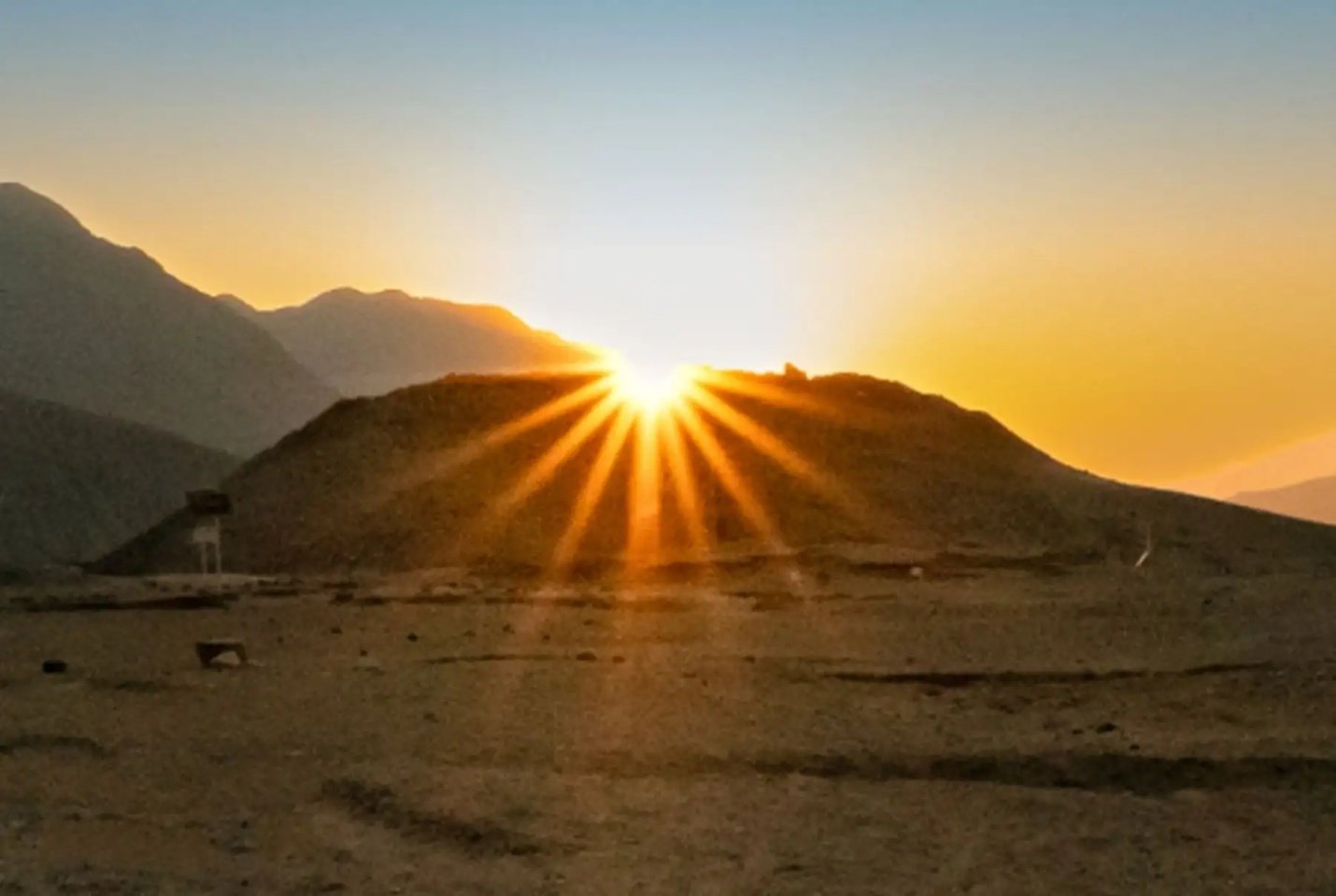
Cusco's mountain setting creates many viewpoints for watching the changing light. Check opening hours before planning an early or late visit.
What can you do in Cusco during your trip?

A balanced itinerary can combine culture and nature while leaving enough time to rest. Recommended options include:
- Cusco City Tour.
- Sacred Valley of the Incas.
- Machu Picchu.
- Rainbow Mountain.
- Humantay Lake.
- Palcoyo, Choquequirao and private landscape photography experiences.
GT Peru Travel can help design an itinerary combining Cusco, the Sacred Valley, Machu Picchu and nature without overloading each day.
How to prepare for an equinox-season trip

- Pack layers because temperatures can change considerably during the day.
- Use sunscreen, a hat and sunglasses with UV protection.
- Carry water on excursions and leave no waste behind.
- Wear footwear with good grip for hikes and archaeological sites.
- Allow one or two days to acclimatize to Cusco's altitude.
- Check weather and access conditions before each outing.
- If you want to attend a ceremony, confirm it is official and open to visitors.
- Book admission, trains and travel services in advance.
Warachikuy and September cultural activities

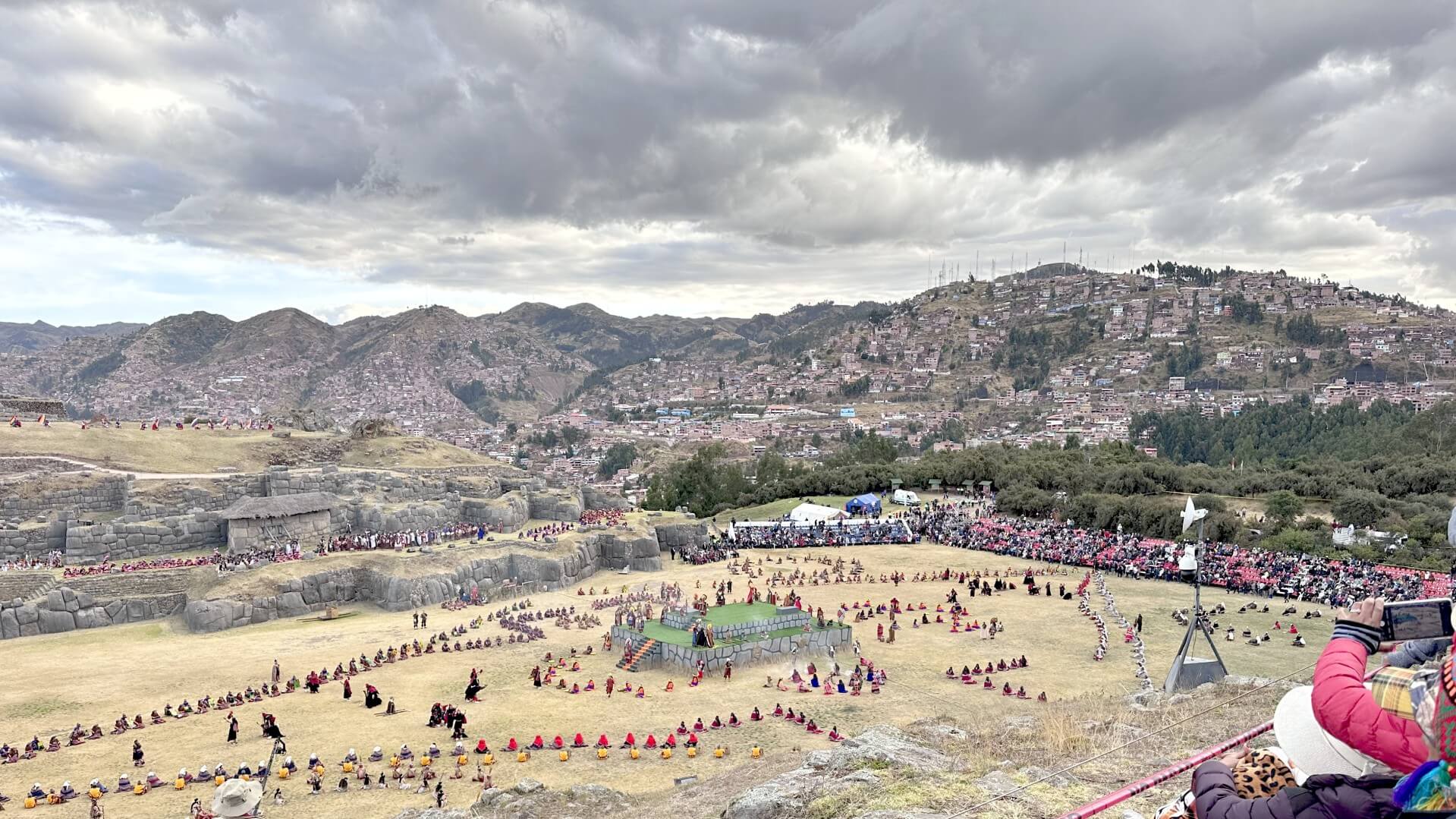
Warachikuy reenacts an ancient Inca rite of passage into adulthood. Peru's Ministry of Culture states that it takes place every third Sunday of September on the Sacsayhuamán esplanade, led by Cusco's Colegio Nacional de Ciencias.
In 2026, the third Sunday falls on September 20, two days before the equinox. Times, access and the final program should still be confirmed with organizers. Warachikuy is a nearby cultural event on the calendar, but it should not be confused with the astronomical phenomenon.
What should you confirm before traveling?
The date and time of the equinox are precise astronomical data; cultural activities may not be organized in the same way every year. Before traveling, confirm:
- Cusco's official events calendar.
- Ceremonies or performances open to the public.
- Opening hours and restrictions at archaeological sites.
- Weather and access conditions.
- Availability of admission, tours and transportation.
This lets you plan with useful information without confusing the equinox with unconfirmed tourism activities.
A different way to discover the Andes
The September equinox is an excellent opportunity to experience the Andes from another perspective. Rather than limiting your trip to one date, use it to explore the relationship among the Sun, territory, agriculture, architecture and Andean culture.
Cusco is an ideal setting: history, archaeology, mountains and communities belong to the same experience. If you want to visit during this season, we can help plan a route through Cusco and Peru based on your available days and preferred activity level.
GT Peru Travel editorial team
Culture and travel · GT Peru Travel · Cusco, Peru
Content prepared by GT Peru Travel's local team in Cusco and checked against astronomical and cultural sources.