In the province of Chincheros, Apurímac, the Mamacha Cocharcas has brought together faith, memory and Andean identity for centuries. This guide explores her history, the September 8 celebration and what you should know before visiting the shrine.
The Virgen de Cocharcas—Virgin of Cocharcas in English—is one of the most representative Marian devotions in the southern Andes. Her shrine is in the district of Cocharcas, province of Chincheros, Apurímac region, and her main feast day is celebrated every September 8. The festival was declared Cultural Heritage of the Nation in 2009.

Contents
- Who is the Virgen de Cocharcas?
- The story behind Mamacha Cocharcas
- The Cocharcas Shrine
- When is the festival held?
- What is the celebration like?
- Why is it Cultural Heritage of the Nation?
- Is Cocharcas worth visiting?
- How to get there and travel tips
- How to combine Cocharcas with other destinations
- A tradition that continues to unite generations
Who is the Virgen de Cocharcas?
The Virgen de Cocharcas, affectionately called Mamacha Cocharcas—an Andean term expressing the warmth and respect associated with “dear mother”—is a Marian devotion deeply connected to this community in Apurímac. Devotion to her spread from the southern Andes to other regions of Peru, inspiring local celebrations that still bring together families, religious brotherhoods and pilgrims.
In Cocharcas, Catholic worship coexists with Andean forms of organization and reciprocity. Masses and processions are accompanied by music, dances, shared food and community reunions. This relationship makes it possible to understand the festival not only as a religious event, but also as an expression of regional identity. To explore this cultural dialogue further, read about Pachamama and the Andean worldview.
The story behind Mamacha Cocharcas
The devotional history dates back to the late 16th century. A tradition recorded in a 1625 manuscript relates that Sebastián Martín Asto, known as Sebastián Quimichu, traveled to Copacabana after receiving a favor attributed to the Virgin and brought an image inspired by that devotion back to Cocharcas. Its enthronement is dated to 1598, after which the devotion became increasingly important.
As with many religious traditions, it is useful to distinguish the story of faith from events supported by documentary evidence. Both are part of Cocharcas’ heritage: colonial sources help reconstruct the spread of the devotion, while oral tradition explains how communities have experienced and passed it down from one generation to the next.
Over time, the Mamacha became a symbol associated with migration, promises and homecomings. Her influence can be seen in festivals in places such as Sapallanga, Julcamarca and Barrios Altos, although each community developed its own expressions. The original celebration remains linked to the town of Cocharcas in Apurímac.
The Cocharcas Shrine
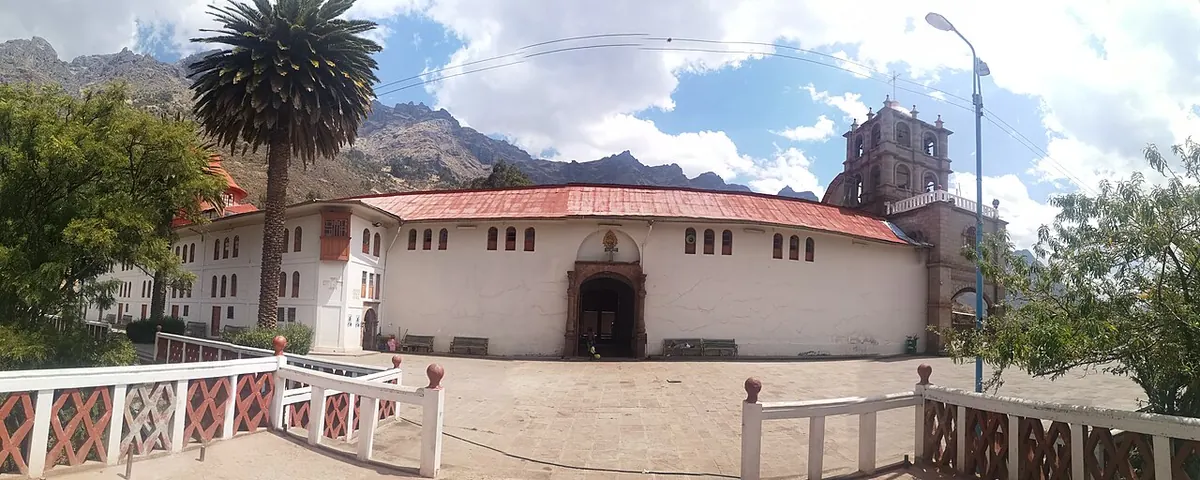
The Colonial Temple of Cocharcas is the architectural heart of the pilgrimage. The official Mincetur Tourism Resources Inventory describes it as a historic site of colonial origin. It was declared an Artistic Monument in 1941 and, following a restoration process, was officially handed back in 2022.
Its façade, towers and surrounding mountain landscape create one of the town’s most recognizable views. Beyond taking photographs, visitors should take time to appreciate the complex and remember that it remains an active place of prayer. The shrine stands at approximately 3,030 meters above sea level, so travelers arriving from lower elevations may feel the effects of altitude.

When is the festival held?
The main day of the Virgen de Cocharcas Festival is September 8, the Feast of the Nativity of the Virgin Mary. According to the official festival record, the novenas begin on August 30, the busiest days take place from September 6 to 8, and the traditional cycle continues until September 16.
The specific program changes from year to year. If you want to attend a particular Mass, procession or performance, confirm dates and times with the municipality or religious authorities before booking. This is especially important during the festival, when transport demand and visitor numbers increase.

What is the celebration like?
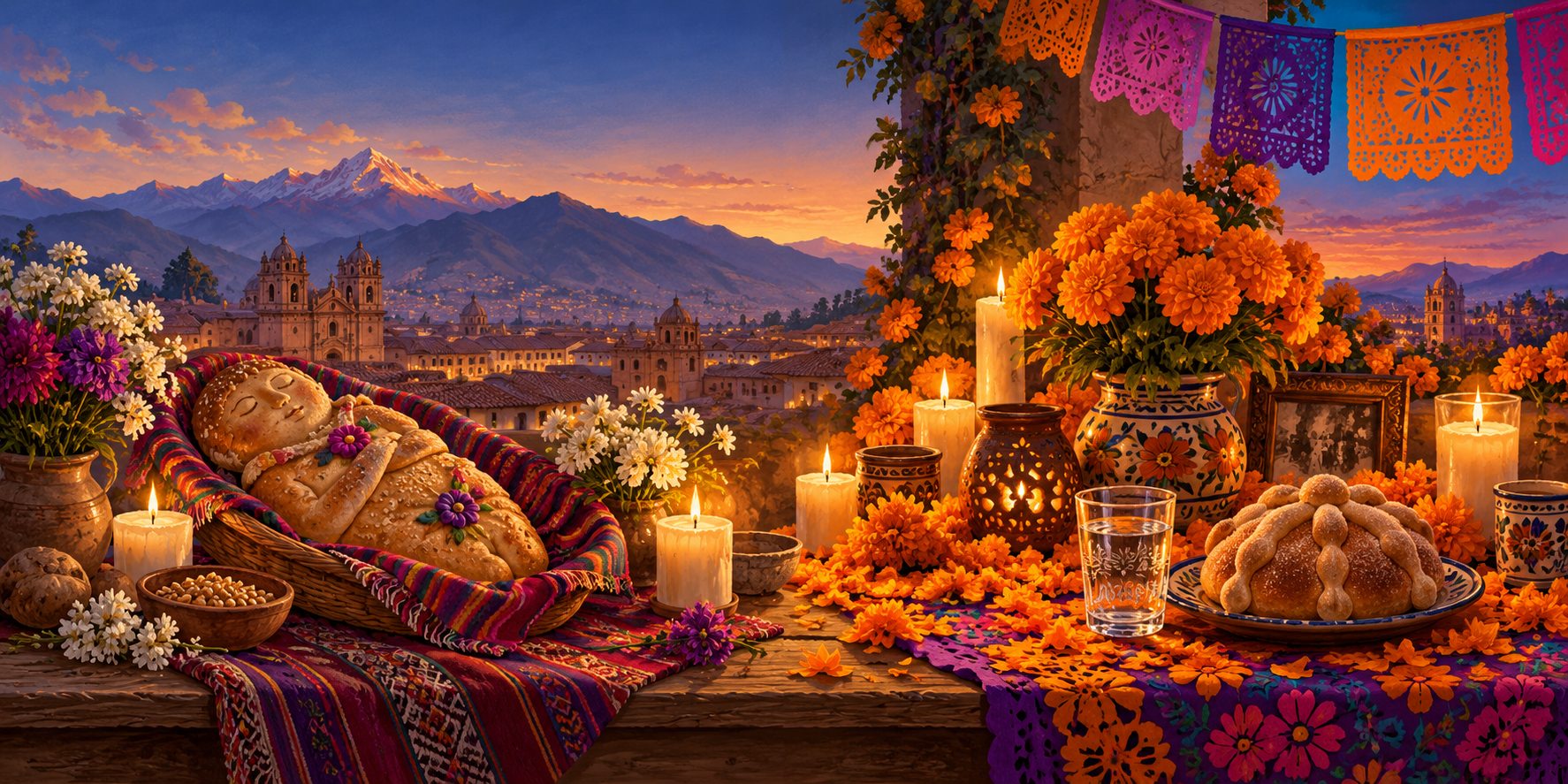
During the festival, the town takes on a different rhythm. Religious services share space with brass bands, dances, family gatherings, local trade and pilgrims arriving from different regions. For many people, it is also a time to return home: families living elsewhere come back to Cocharcas to fulfill promises and reunite with their community.
The festival is sustained by a network of organizers, devotees and local residents. This collective participation helps explain why the tradition remains alive after more than four centuries. Visitors can experience it more meaningfully by observing respectfully, avoiding disruptions during ceremonies and asking permission before taking close-up photographs of people.

Why is it Cultural Heritage of the Nation?
The Virgen de Cocharcas Festival was declared Cultural Heritage of the Nation through National Directorial Resolution No. 1320/INC, dated September 7, 2009. The recognition highlights its role in defining regional identity, the cultural production developed around the devotion, its contribution to local life and the relationship between popular devotion and the Catholic institution.
The declaration protects much more than a date on the calendar. It recognizes knowledge, practices, music, religious art, community ties and shared memory. Visiting Cocharcas from this perspective allows travelers to appreciate the celebration as living heritage rather than simply as a spectacle.

Is Cocharcas worth visiting?
Yes, especially for travelers looking for a less conventional side of Peru and hoping to understand a tradition in the place where it began. Cocharcas brings together colonial heritage, Andean scenery and community life in an experience unlike Peru’s busiest tourist circuits.
The visit may appeal to you if you enjoy:
- religious traditions and pilgrimages;
- colonial history and architecture;
- Andean music, dance and culture;
- landscape and heritage photography;
- destinations beyond the best-known routes.
During the festival, you will find more activity and an intense collective expression of faith and identity. Outside September, the pace is quieter and there is more time to contemplate the shrine and main square. Neither option is inherently better: the right choice depends on whether you value the celebration or the serenity of the place more.

How to get there and travel tips
How do you get to Cocharcas?
A practical route is to travel from Andahuaylas to Uripa and continue from there to Cocharcas. The Mincetur inventory lists approximately 75 kilometers and 1 hour 30 minutes between Andahuaylas and Uripa, followed by roughly 31 kilometers and 1 hour from Uripa to the temple. It also records an alternative route from the main square in Chincheros of about 40 kilometers and 1 hour by private vehicle.
These times are estimates. Road conditions, shared transport availability and schedules can change, especially during the rainy season or the festival. Check the route and local transport shortly before traveling, avoid tight connections and, if driving, travel during daylight hours.
What to bring and how to participate respectfully
- Dress in layers: mornings and evenings can feel cold, while the daytime sun can be intense.
- Bring water, sunscreen, a hat and waterproof clothing.
- Book transport and accommodation in advance for the main festival dates.
- Respect queues, ceremonies and restricted areas inside the shrine.
- Ask before photographing people, dancers or moments of prayer.
- Reduce waste and support community businesses and services.
- Walk slowly if you have not yet acclimatized to the elevation.

How to combine Cocharcas with other destinations
Cocharcas can be included in a broader cultural itinerary through Apurímac and Cusco. The key is to organize the trip in stages rather than treating it as a rushed excursion: Andean distances, road conditions and transport frequency require additional time.
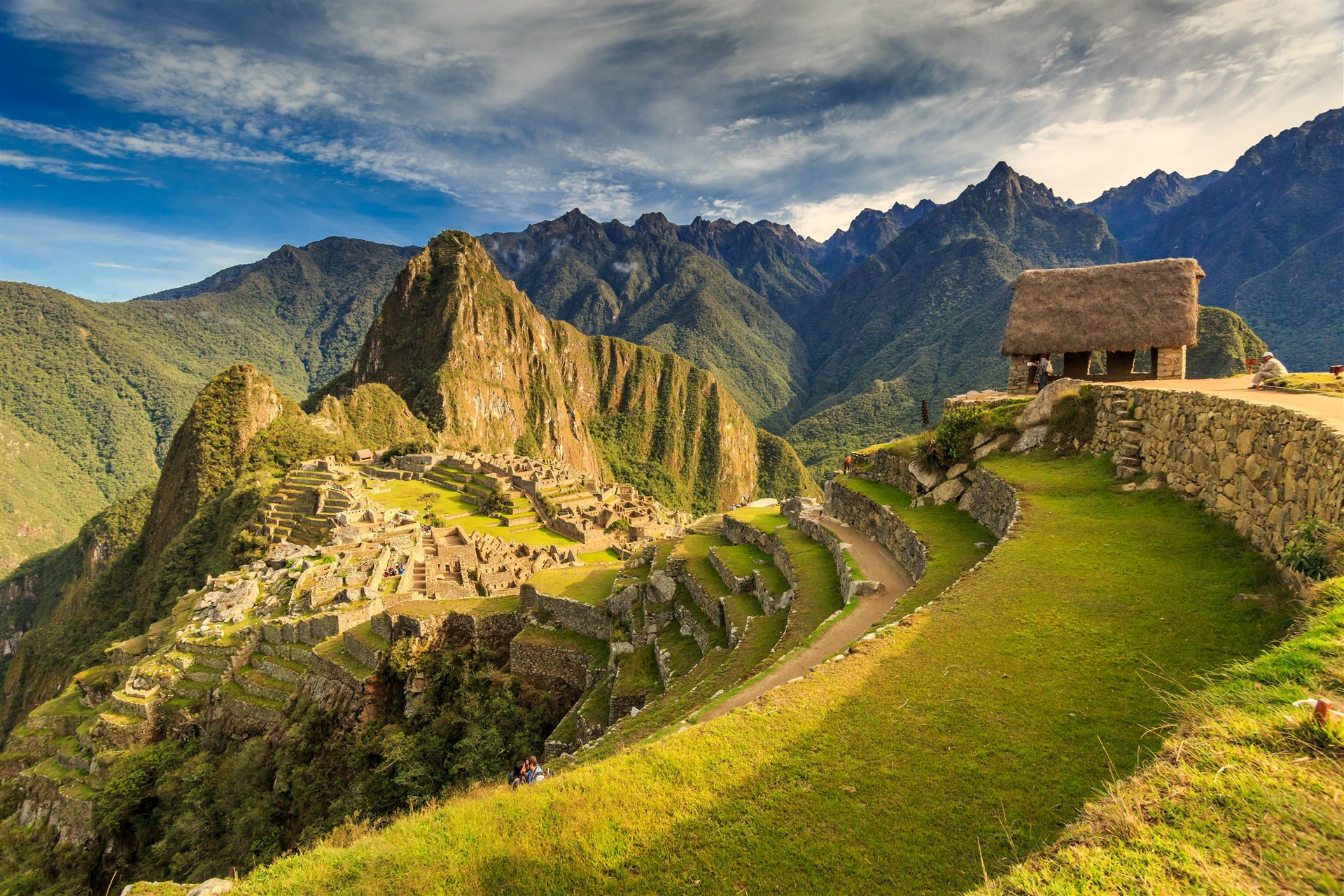
If you continue to Cusco, you can compare this pilgrimage with other expressions of faith such as Corpus Christi or learn how to prepare for the tradition of the Lord of Qoyllur Rit’i. You can also set aside separate days for the Sacred Valley and Machu Picchu. Confirm your overland journeys first and then secure tickets or services with fixed schedules.

Another Cusco pilgrimage that reveals the relationship between faith and landscape is the Señor de Huanca and its stone tradition, celebrated every September 14.
A tradition that continues to unite generations
Some places are remembered for their scenery, while others stay with us because of the stories they hold. Cocharcas belongs to both. Among mountains, roads and community gatherings, devotion to the Virgen continues to bring together generations of families and pilgrims.
Learning about Mamacha Cocharcas reveals a part of Peru where faith, heritage and identity remain in dialogue today. Traveling with enough time, current information and respect for the community makes the visit more meaningful and authentic.
Would you like to include Cocharcas in a journey through southern Peru? Contact us and the GT Peru Travel team will help you combine culture, history and scenery in a trip designed around your pace.
Sources and update information
This article was updated on September 13, 2026, using the supplied document and public sources. See the Mincetur inventory record for the Virgen de Cocharcas Religious Festival, the Colonial Temple of Cocharcas record, information published by PromPerú and the Ministry of Culture report on the shrine. Festival programs and access conditions may change; confirm them before traveling.
GT Peru Travel editorial team
Culture and travel · GT Peru Travel · Cusco, Peru
Content prepared and verified by the local GT Peru Travel team to introduce you to Peru’s traditions and help you plan a responsible visit.