September 30 is the central day of San Jerónimo’s patron festival, with Masses, a procession, dance troupes and music. This guide explains its history, real calendar and respectful ways to attend.
September 30 is the central day of the Saint Jerome Patron Festival, one of the most representative religious and cultural celebrations in Cusco’s South Valley. The district square becomes a meeting place for devotees, carguyoq sponsors, brotherhoods, musicians and dance troupes that perform before an image deeply connected with local identity.
The festival is often described simply as a late-September event, but the dates require context. A report by Agencia Andina summarizes it as September 27–30. Peru’s heritage declaration and the official Mincetur inventory, however, document activities through October 2, and recent programs have begun on September 28. One date remains constant: September 30 is the main day. Always check the annual program issued by the municipality or parish before attending.
Contents
- What the Saint Jerome Patron Festival is
- Why he is called the “Doctor Patron”
- When it takes place and why dates differ
- What happens on September 30
- San Jerónimo’s dances and troupes
- Carguyoq, hurk’a and community organization
- A nationally recognized cultural heritage festival
- Chiri uchu and festival flavors
- Getting there and practical advice
- How to experience the festival respectfully
What the Saint Jerome Patron Festival is
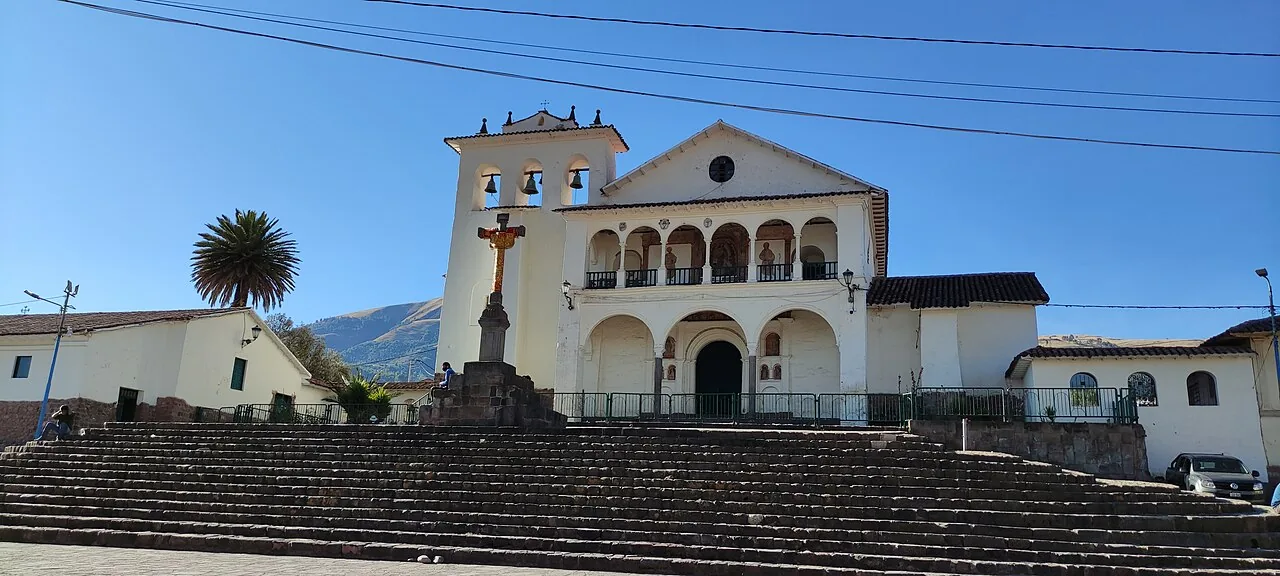
This is the patron festival of San Jerónimo district, southeast of central Cusco and part of the South Valley. Its religious heart is the church and main square, although the celebration also fills nearby streets, sponsors’ homes and spaces assigned to each dance troupe. It is not a show created only for visitors. It is a practice of faith, reciprocity and belonging that local organizations prepare for months.

Why he is called the “Doctor Patron”
Jerome of Stridon was a scholar of Scripture and translated the Bible into Latin. His contribution to Catholic doctrine earned him the title Doctor of the Church. This explains the solemn and affectionate local name for the image: Doctor Patron Saint Jerome.
Vice-Ministerial Resolution No. 052-2016-VMPCIC-MC describes an image more than two meters tall, made of wood, plaster, iron and cowhide. It wears red and white garments, carries a Bible resting on a small church and holds a golden quill that symbolizes Jerome’s work as a scholar and translator. The central mayordomía provides ceremonial clothing for the festival.
When it takes place and why dates differ
The historical calendar recognized by Peru’s Ministry of Culture places the four principal days between September 29 and October 2. Mincetur includes activities beginning on September 28, while some press summaries use September 27–30. The difference comes from whether preliminary events, the core celebration or the farewell days are being counted. In recent years, the Municipality of San Jerónimo has published programs running from September 28 to October 2.
Use September 30 as the fixed central date, then check the current official schedule. Mass times, parade routes, street closures and presentations may change each year. A previous program explains the tradition but should not be treated as a guaranteed timetable.
What happens on September 30
According to the heritage declaration, the day begins at midnight when the Qhapaq Qolla troupe sings outside the church. Siklla dancers then pay tribute, and bells and fireworks announce a predawn Mass. The central Mass brings all the troupes together and is followed by a procession of the Blessed Sacrament around the square. The image of Saint Jerome then leaves the church with authorities, mayordomos, hurk’ados, brotherhoods and devotees.
Historical documents mention times such as a Mass around 4:30 a.m. and the central service at 11:00 a.m. These help readers understand the traditional sequence, but visitors must verify them against that year’s program. For residents, the procession is not merely a photo opportunity; it is the emotional and devotional center of the festival.

San Jerónimo’s dances and troupes
Andean dance troupes joined the festival gradually from around 1940. Majeños, Qhapaq Qolla, Saqra, Contradanza, Mestiza Qoyacha, Qhapaq Negro, Siklla, Auqa Chileno and Kachampa are among those listed by the Ministry of Culture. Their clothing, music, characters and choreography tell different stories, and members perform as an expression of devotion.
The number of participating groups can change. In 2025, the municipality reported 27 dances coordinated through the San Jerónimo Folk Dance Association. It is therefore more accurate to describe a living, evolving community of troupes than to present any list as final.
Carguyoq, hurk’a and community organization
The festival depends on a shared system of responsibility. A carguyoq is a sponsor or mayordomo who assumes responsibility for ceremonies, food, music or other needs. The central mayordomía is linked to the saint’s clothing and principal Mass, while each troupe may also have its own carguyoq.
Hurk’as are pledges of support requested from relatives, friends and devotees. The traditional invitation involves wine and a special bread, and contributions may cover food, drinks, Masses or fireworks. This is more than commercial sponsorship: it expresses reciprocity, social recognition and collective work. Brotherhoods from the lloqe—left—and paña—right—sectors alternate in caring for and carrying the image, reflecting an older Andean principle of complementary halves.
A nationally recognized cultural heritage festival
In May 2016, Peru’s Ministry of Culture declared the festival Cultural Heritage of the Nation. The resolution emphasizes its symbolic and ritual richness and its combination of Andean and Catholic elements. Heritage status does not freeze the celebration in time: it recognizes a living tradition whose continuity depends on its community and transmission between generations.
Local history predates the colonial parish founded in 1570. The area was associated with Inca ayllus and panacas, while the complementary lloqe and paña division remains visible in festival organization. This context helps visitors see more than colorful “folklore” and understand the celebration’s social depth.
Chiri uchu and festival flavors
Chiri uchu holds a special place in meals shared during the festival. The traditional cold dish combines ingredients such as guinea pig, chicken, dried meat, a corn omelet, cheese, toasted corn, seaweed and hot pepper, although recipes vary. Bean punch is also served during the cold night of the eve.
Buy from authorized stalls, ask about ingredients if you have allergies, and remember that food is not an incidental attraction. Preparing and sharing meals is part of the obligations and relationships that sustain the celebration.
Getting there and practical advice
San Jerónimo lies approximately 8 km southeast of central Cusco. Public transportation and authorized taxis can take you toward the main square, but central festival days may bring detours, traffic and restrictions near the church. Confirm your drop-off point and return plan beforehand.
- Check the municipality’s and parish’s official channels for the current program.
- Arrive early and keep church doors, processional routes and troupe areas clear.
- Carry sun protection for daytime and warm layers for the cold night and predawn hours.
- Use formal transportation, look after your belongings and follow safety and waste instructions.
- Ask permission before taking close portraits of dancers, carriers or worshippers.
How to experience the festival respectfully
The best approach is to observe before acting. Applaud the dances without entering their route, remain quiet during services, do not climb monuments for photographs and take your waste with you. Spaces assigned to a troupe and its guests are part of its organization and should not be entered without permission.
To learn more about Andean religious traditions, read our guide to the Señor de Huanca pilgrimage and our article about the Virgin of Cocharcas in Apurímac. Each tradition has its own history and deserves to be understood on its own terms.
Sources, update and photo credits
Prepared and checked on September 23, 2026 using Vice-Ministerial Resolution No. 052-2016-VMPCIC-MC, the Mincetur Tourism Resources Inventory, publications by the Municipality of San Jerónimo and Agencia Andina. Confirm the official annual program before traveling.
The 2021 cover photograph is by Chalisimo5, licensed under CC BY-SA 4.0 and resized for the web. Other photographs and licenses are credited in their captions.
GT Peru Travel editorial team
Culture and travel · GT Peru Travel · Cusco, Peru
Content checked against records from Peru’s Ministry of Culture, Mincetur, the Municipality of San Jerónimo and Agencia Andina.