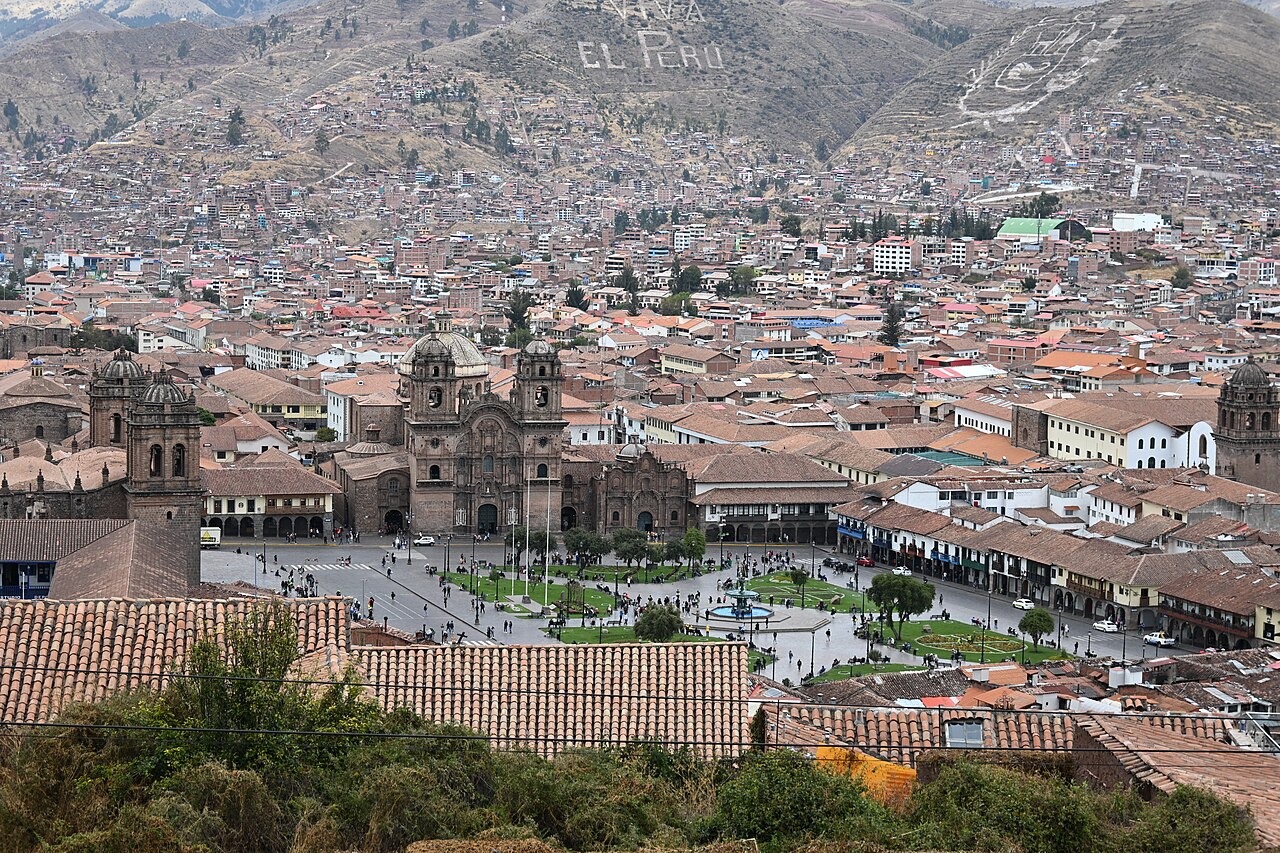
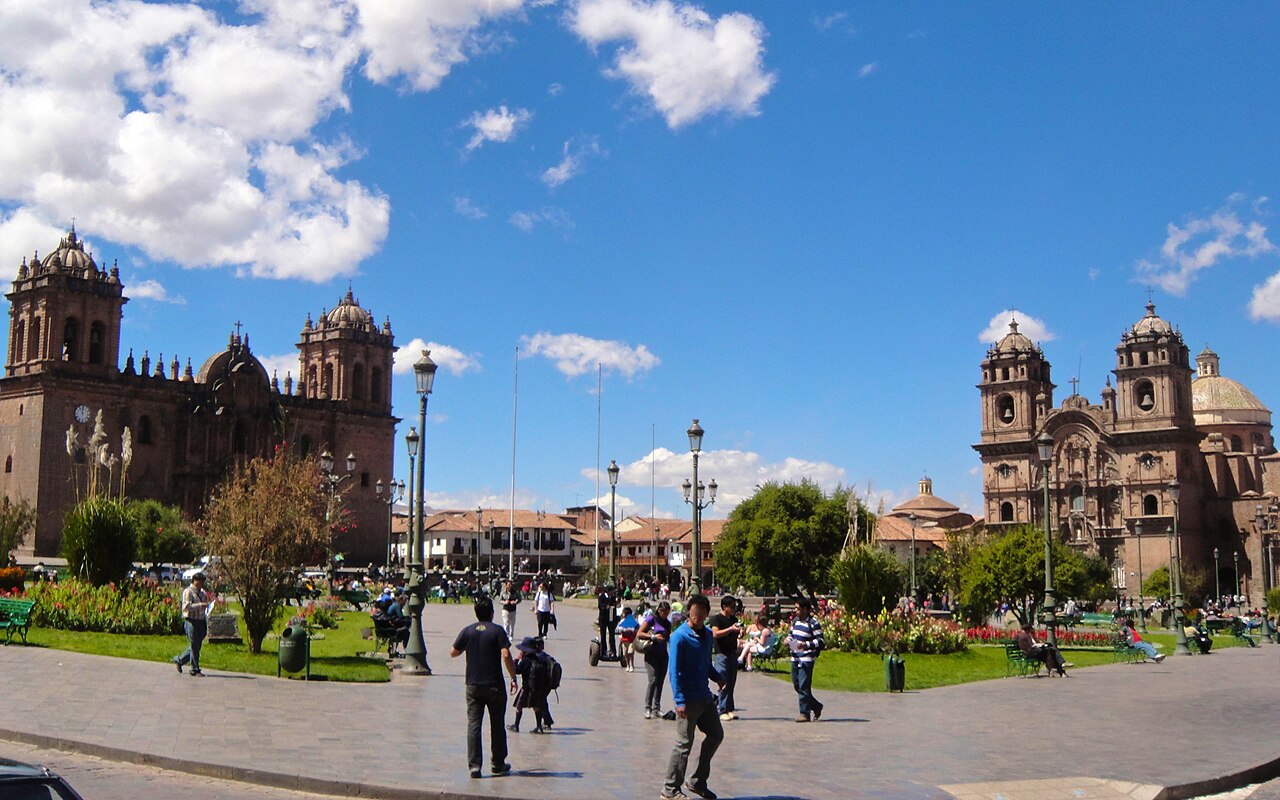
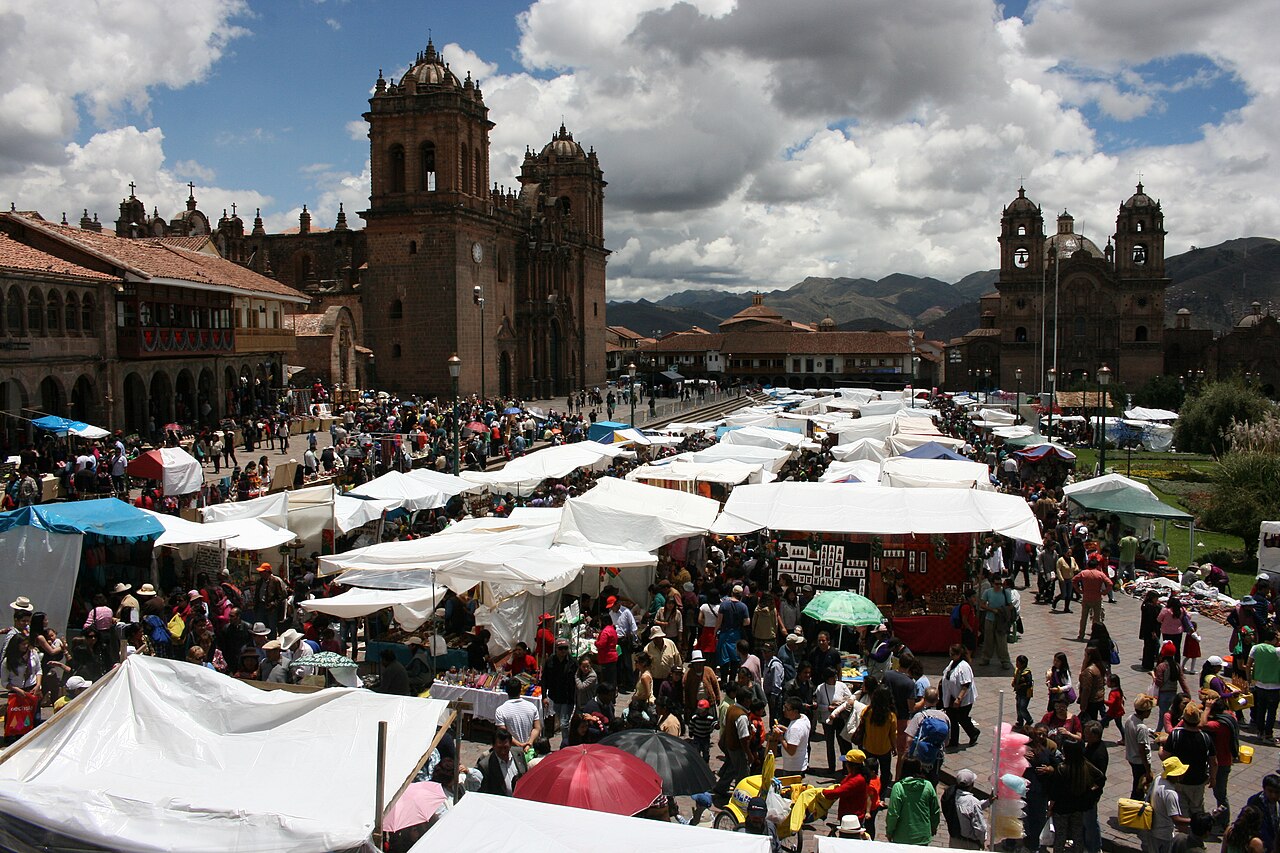
Insurance cannot prevent a delayed flight or a medical problem, but it can keep an unexpected event from becoming an unmanageable expense. This guide explains what to review before buying coverage for Peru, especially for Cusco, high-altitude areas, the Amazon and trekking routes.
Quick answer: Peru's immigration authorities do not currently list travel insurance among the standard requirements for general tourist entry. Requirements can still vary by nationality, visa or transit country, so check before departure. Even when it is not mandatory, medical, evacuation and assistance coverage is strongly worth considering for high altitude, remote regions and adventure activities.
Is travel insurance required to enter Peru?
Peru's official immigration guidance lists a valid travel document, a visa when applicable and the immigration record, but it does not present insurance as a general tourist requirement. Always check the current Peruvian immigration requirements and the consulate serving your country. An airline, visa program or specific operator may have additional conditions.
Three types of cover that are not the same
| Cover | What it does | What to check |
|---|---|---|
| International medical cover | Consultations, tests, hospitalization and medication for a covered illness or accident. | Total limit, deductible, pre-existing conditions and direct payment to the provider. |
| Medical evacuation and repatriation | Transfer to suitable care or medically necessary return under the policy. | Altitude, mountain rescue, remote areas and pre-authorization. |
| Cancellation or interruption | Non-refundable costs when a specifically covered reason occurs. | Covered reasons, purchase deadline, excess and required evidence. |
Card benefits can help, but limits, activation rules and exclusions vary. Check whether the whole trip must be paid with that card and do not assume it replaces comprehensive medical cover.
What to cover for different Peru itineraries
City travel in Lima, Arequipa or Cusco
Prioritize medical treatment, hospitalization, medication, delays and baggage. Cusco is above 3,000 metres, so check that altitude-related problems are not excluded and allow reasonable acclimatization time.
Machu Picchu and the Sacred Valley
Review transport interruption and missed-connection benefits in addition to health cover. Insurance does not replace planning: book tickets with correct personal details, leave buffers between services and keep receipts.
Humantay, Rainbow Mountain, Salkantay, the Inca Trail or Ausangate
Look for a policy that explicitly accepts trekking at the maximum altitude of your route, plus search or rescue where applicable and evacuation from a remote location. Insurers use different altitude limits for “hiking,” so request written confirmation for your exact route.
The Peruvian Amazon
Check remote-area evacuation and water-activity terms. Insurance does not replace vaccinations, insect precautions, health guidance or a pre-travel medical assessment.
ATVs, cycling, rafting or adventure activities
Standard policies often exclude sports or recreational vehicles. Confirm whether you need an add-on, which safety equipment is required and whether third-party liability is covered.

10 checks before buying a policy
- Countries and dates: include departure, return and transit stops.
- Medical expenses: compare total limits and sublimits, not only price.
- Deductible or excess: know what you pay for each claim.
- Direct billing: ask whether the insurer coordinates payment or reimburses you later.
- Medical evacuation: confirm ground or air transport from the places you will visit.
- Altitude and activities: get written confirmation for trekking, ATVs, cycling or rafting.
- Pre-existing conditions: disclose what is requested and read limits or exclusions.
- Cancellation: read the exact covered reasons; changing your mind is usually not enough.
- Baggage and devices: check per-item limits, exclusions and supervision requirements.
- 24/7 assistance: save a number that works from Peru and learn the authorization process.
Common exclusions to read carefully
- An accident during an undeclared activity or above the altitude limit.
- Uncovered pre-existing conditions.
- Events linked to alcohol, drugs or deliberate rule violations.
- Unreported theft or unattended belongings.
- Travel against an official warning where the wording excludes it.
- Cancellation due only to fear, forecast weather or a change of plan without a covered cause.
Words such as “adventure,” “rescue,” “evacuation” and “cancellation” do not guarantee identical benefits across policies. Read the complete wording and ask for clarification in writing.
What to do in an emergency in Peru
- Get immediate help for a life-threatening emergency; do not delay urgent care while waiting for authorization.
- Call the insurer's assistance centre as soon as practical and record the case number.
- Keep evidence: medical reports, prescriptions, itemized receipts, boarding passes and police reports.
- Clarify payment before accepting non-urgent expenses: direct billing and reimbursement are different.
- Tell a trusted contact and your local operator if the incident affects transfers or excursions.
In Peru, Police use 105 and Firefighters 116. SAMU uses 106 in the regions where it operates; availability is not identical nationwide. Also save your insurer, consulate and local contacts.
Offline travel checklist
- Policy number and certificate.
- International assistance phone number and backup channel.
- Identity document and a protected digital copy.
- Relevant medication and allergy list.
- Consulate and trusted-contact details.
- Bookings, receipts and cancellation terms.
Download these details before leaving the city because mountain and jungle routes may lack signal. If you are still planning, browse our Cusco tours and disclose any special needs before booking.
Sources and update
Reviewed on November 24, 2026 using guidance from Peruvian Immigration, the CDC travel insurance guide and the FCDO health advice for Peru. Entry rules and policy wording can change.
This guide is general information and is not medical, immigration or insurance advice. Your insurer's contract determines your actual coverage.
GT Peru Travel editorial team
Travel guides · GT Peru Travel · Cusco, Peru
Practical guides prepared by a local team and checked against official sources.