Contents
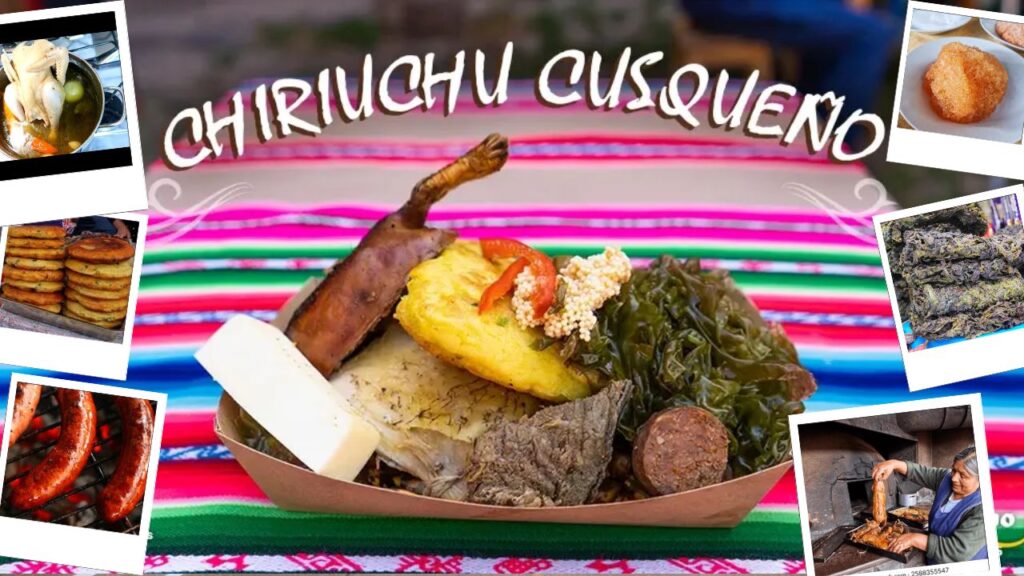
- What is Chiriuchu and why is it one of Cusco’s most representative dishes?
- The origin of Chiriuchu: a history that unites the Andean and colonial worlds
- What does the word Chiriuchu mean?
- The ingredients of Chiriuchu: a gastronomic journey through Peru
- Charqui and the ancient preservation techniques used by the Incas
- Why is Chiriuchu eaten during Cusco’s festivities?
- Where can you try authentic Chiriuchu in Cusco?
- Chiriuchu and gastronomic tourism: discover Cusco through its flavors
1. What is Chiriuchu and why is it one of Cusco’s most representative dishes?
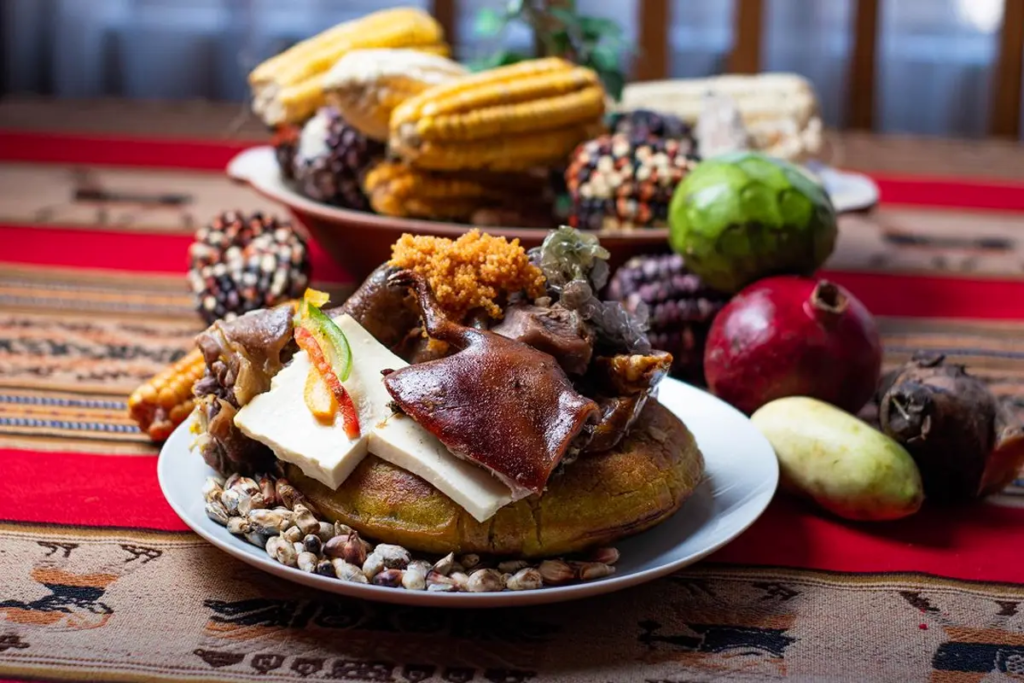
Talking about Chiriuchu means talking about one of the most important gastronomic expressions of Cusco and, according to many specialists, one of the most representative dishes of the Peruvian Andes. Unlike other traditional preparations characterized by a specific ingredient or culinary technique, Chiriuchu stands out for bringing together an extraordinary variety of products in a single dish, reflecting Peru’s cultural, geographical, and historical richness. This unique combination has made it a symbol of identity for generations of Cusqueños and an essential experience for anyone wishing to discover authentic local cuisine.
One of the most striking aspects of Chiriuchu is the diversity of ingredients found in every serving. Guinea pig, charqui, chicken, fresh cheese, cochayuyo seaweed, fish roe, corn omelet, toasted corn, and rocoto pepper coexist in a preparation that may seem unusual at first glance. However, behind each ingredient lies a story connected to agriculture, livestock farming, trade, and food traditions that have accompanied Andean populations for centuries. This historical richness transforms Chiriuchu into much more than a typical dish; it becomes a culinary representation of Cusco’s cultural heritage.
For many travelers, tasting Chiriuchu offers a different way to connect with the history of Cusco. While monuments such as Sacsayhuamán and Machu Picchu reveal the past through architecture, gastronomy allows visitors to understand how people lived, what they ate, and how they developed one of South America’s most fascinating culinary traditions. As a result, more and more visitors consider Chiriuchu an experience as important as exploring the region’s main attractions.
2. The Origin of Chiriuchu: A History that Unites the Andean and Colonial Worlds
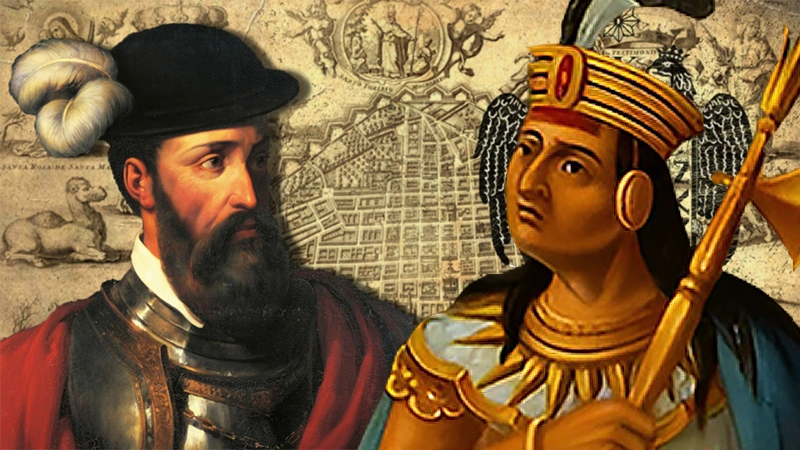
The origin of Chiriuchu reflects the complex historical process that shaped Cusco’s cultural identity. Although there is no exact record indicating when the dish first appeared, most researchers agree that its development was closely linked to ancient Andean communal practices and later influenced by colonial cuisine. Thanks to this combination of traditions, Chiriuchu became one of the most representative examples of Peru’s gastronomic mestizaje (cultural fusion).
Before the arrival of the Spanish, Andean populations already possessed extensive knowledge of agriculture, food preservation, and natural resource management. Products such as corn, guinea pig, and charqui were fundamental elements of daily life and played important roles in ceremonies, festivals, and community activities. These customs contributed to the development of a cuisine based on ingredients adapted to the Andean environment and deeply connected to nature.
With the Spanish conquest came new ingredients that gradually transformed local diets. The introduction of chicken, cheese, and certain cured meats created an interesting fusion between European and Andean culinary traditions. Chiriuchu represents this meeting of two worlds, bringing together pre-Hispanic and colonial elements in a single dish. Thanks to this blend of influences, the dish evolved while preserving its roots, becoming a living expression of Cusco’s cultural history.
3. What Does the Word Chiriuchu Mean?
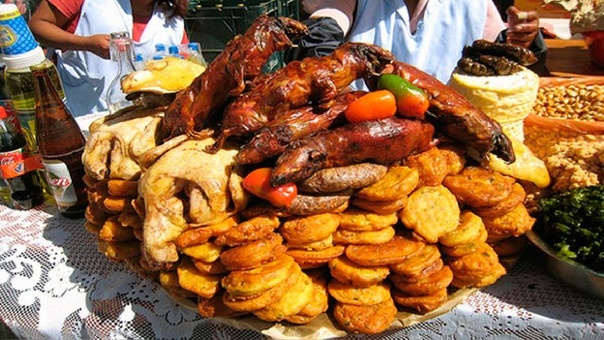
The word Chiriuchu comes from the Quechua language, one of the most important languages of the Andean world and still spoken by millions of people in Peru today. Its name is formed by the words chiri, meaning “cold,” and uchu, which can be translated as “chili pepper” or “seasoned food.” Therefore, one of the most widely accepted interpretations is “cold spicy dish” or “cold food.”
The meaning of the name is more than a linguistic curiosity. It directly reflects one of the dish’s most distinctive characteristics. Unlike most traditional Peruvian dishes, Chiriuchu is served cold or at room temperature. This feature has historical roots linked to large communal celebrations, where it was necessary to prepare substantial quantities of food in advance for hundreds or even thousands of people.
Beyond its culinary significance, the name Chiriuchu demonstrates how the Quechua language remains present in everyday life in Cusco. Many terms related to agriculture, gastronomy, and traditional customs continue to be used in their original form, preserving the region’s living cultural heritage.
4. The Ingredients of Chiriuchu: A Gastronomic Journey Through Peru
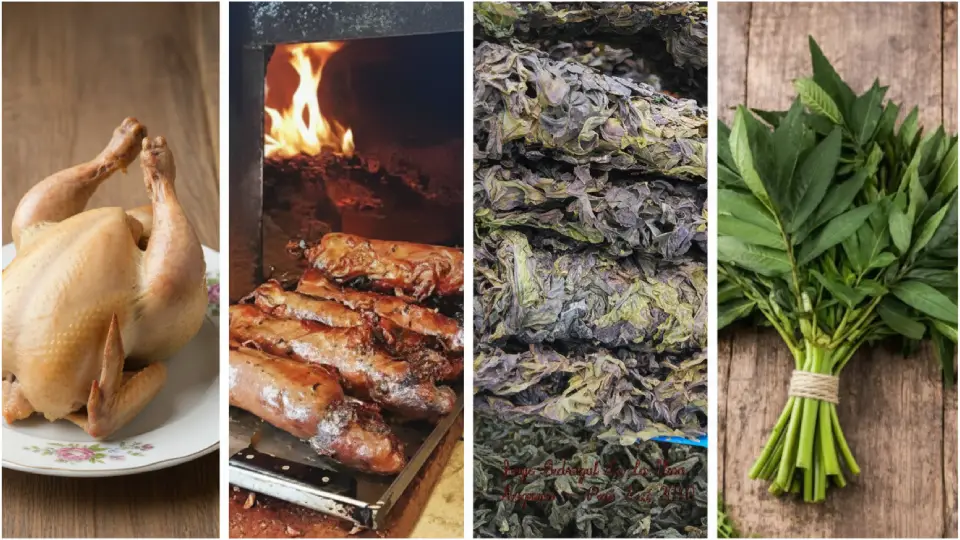
One of the most fascinating aspects of Chiriuchu is that it offers a true gastronomic journey across Peru within a single dish. Each ingredient represents a region, a productive tradition, and a chapter in the country’s food history. This diversity is precisely what makes Chiriuchu unique within Peruvian cuisine and one of the most complete culinary expressions of the Andes.
The guinea pig is one of the oldest foods in the Andean region and has been part of local diets for thousands of years. Charqui reflects sophisticated preservation techniques developed by pre-Hispanic societies. Corn symbolizes the extraordinary agricultural achievements of Andean civilizations, while cochayuyo seaweed and fish roe demonstrate the historical trade networks connecting Cusco with Peru’s coastal regions. Added to these are colonial-era ingredients such as chicken, fresh cheese, and certain cured meats, further enriching the dish’s complexity.
This combination of ingredients demonstrates how gastronomy can serve as a powerful tool for understanding regional history. Every component tells a story about lifestyles, production systems, and cultural exchanges that shaped one of the world’s most diverse cuisines.
5. Charqui and the Ancient Preservation Techniques Used by the Incas
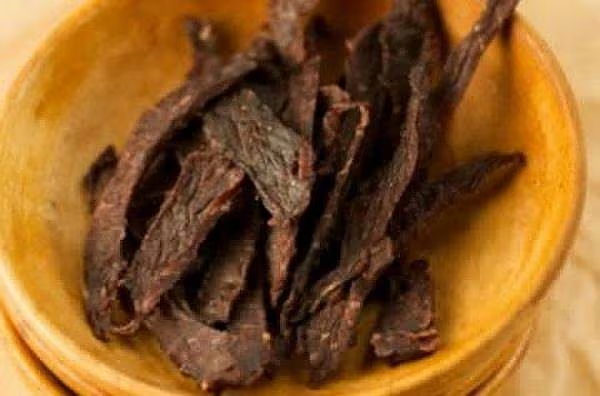
Among all the ingredients that make up Chiriuchu, few have a history as fascinating as charqui. Its name comes from the Quechua word ch’arki, used to describe dehydrated meat preserved through natural processes. Long before modern refrigeration existed, Andean populations developed highly effective techniques to preserve food by taking advantage of low temperatures, strong winds, and intense sunlight in high-altitude environments.
During the Inca period, charqui played a crucial role in the economic organization of the Tahuantinsuyo. The vast road network that connected the empire required food that was easy to transport and capable of lasting for extended periods. For this reason, charqui was stored in state warehouses known as colcas and used to supply workers, soldiers, and entire communities.
The presence of charqui in Chiriuchu keeps this ancient tradition alive today. Each serving maintains a direct connection to the knowledge developed by generations of Andean farmers and herders, transforming the dish into a bridge between the past and present.
6. Why Is Chiriuchu Eaten During Cusco’s Festivities?
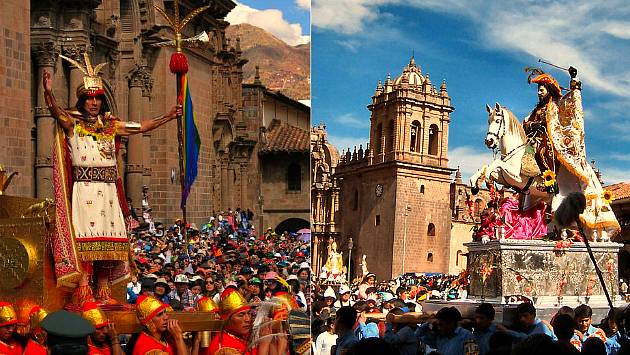
Chiriuchu has a strong connection with some of Cusco’s most important celebrations. Over the centuries, it became a traditional element of large community gatherings where families shared food while participating in religious, cultural, and social activities. This custom strengthened its presence in local festivities and reinforced its role within Cusco’s gastronomic identity.
One reason Chiriuchu became so closely associated with these celebrations is its ability to bring together ingredients representing different regions and culinary traditions. In many ways, the dish symbolizes unity and cultural integration. This symbolic meaning has allowed it to maintain a privileged place in Cusco’s festivities and remain one of the most authentic expressions of regional heritage.
For visitors who travel to Cusco during traditional celebrations, tasting Chiriuchu offers a unique opportunity to experience local culture from a different perspective. It is not simply about eating a typical dish but participating in a tradition that has accompanied generations of Cusqueños.
7. Where Can You Try Authentic Chiriuchu in Cusco?
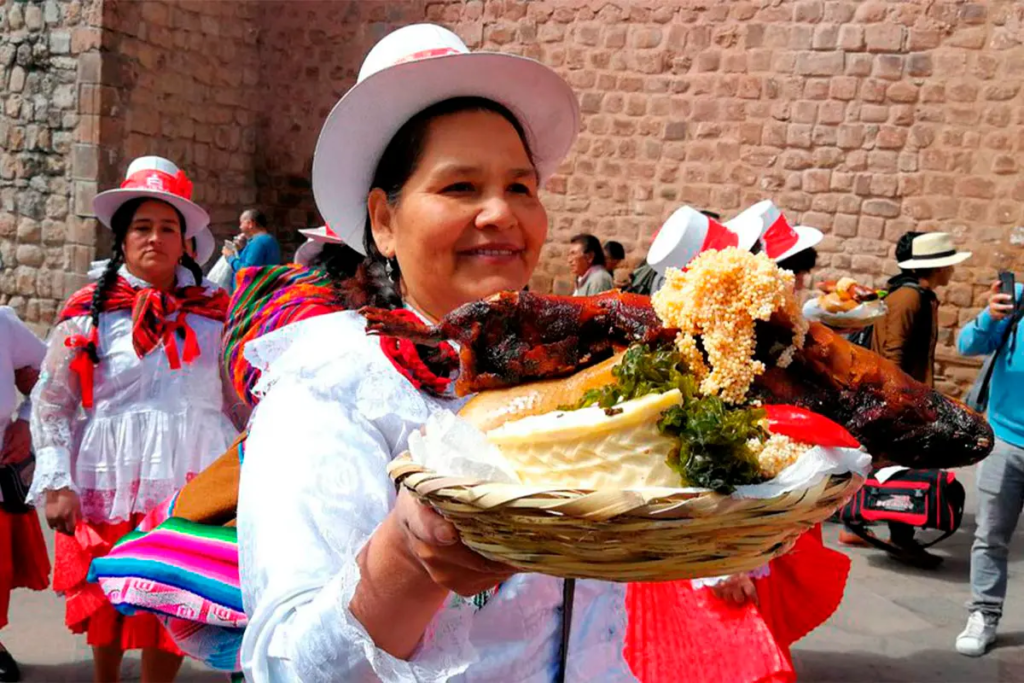
One of the most common questions among travelers is where they can try authentic Chiriuchu during their visit to Cusco. Unlike many traditional dishes available year-round, Chiriuchu is strongly linked to the city’s festive calendar and reaches its peak popularity during June, considered by many to be the most important cultural month in Cusco.
The best opportunity to enjoy this traditional dish usually coincides with the city’s major celebrations, when local cooks, gastronomic associations, and families prepare Chiriuchu using recipes passed down through generations. During this period, it can be found in food fairs, cultural events, and various locations throughout the historic center.
For travelers seeking a complete cultural experience, June is one of the best times to visit Cusco. In addition to tasting authentic Chiriuchu, visitors can enjoy traditional activities, folk performances, parades, and celebrations that form part of the city’s festive season.
8. Chiriuchu and Gastronomic Tourism: Discover Cusco Through Its Flavors
One of the most interesting aspects of gastronomic tourism is that it allows visitors to understand the history of a destination from a different perspective. In Cusco, every ingredient found in Chiriuchu tells a story related to agriculture, trade, preservation techniques, and traditions developed by Andean communities over centuries. For this reason, many travelers discover that tasting this dish can be as enriching as visiting the monuments and landscapes that gave rise to this remarkable culture.
Many of the ingredients used in Chiriuchu are closely connected to territories that once formed part of the ancient Inca Empire. The corn used in Andean cuisine, for example, was cultivated in the fertile valleys of the Sacred Valley of the Incas. Today, visitors can explore agricultural terraces, irrigation systems, and communities that continue preserving ancestral knowledge.
The connection between culture and territory can also be appreciated at Machu Picchu, whose agricultural terraces reflect the advanced farming knowledge developed by the Incas. Likewise, destinations such as Vinicunca and Humantay Lake showcase the natural landscapes that have shaped Andean life for centuries.
At GT Peru Travel, we believe the best way to discover Cusco is by combining history, culture, nature, and gastronomy into a single experience. After all, discovering Cusco is not only about admiring its landscapes but also understanding the stories, flavors, and traditions that make it one of the most fascinating destinations in the world.
Discover Our Experiences in Cusco
- Machu Picchu
- Sacred Valley of the Incas
- Cusco Express
- Rainbow Mountain
- Humantay Lake
- Programs of 4, 5, 6 days and more
GT Peru Travel – Responsible for Your Dream Journey. ✨