Contents
- Why is jewelry in Cusco more than just a souvenir?
- History of Andean jewelry: heritage from the Inca world
- Traditional materials used in Cusco jewelry
- Meaning of symbols in Andean jewelry
- Types of jewelry you can find in Cusco
- Where to buy authentic jewelry in Cusco
- How to recognize authentic handmade jewelry
- The shopping experience: more than just a purchase
- How much does jewelry cost in Cusco?
- Jewelry as a souvenir with spiritual and cultural meaning
- Is it worth including shopping in your travel itinerary?
- Live the complete experience: tours in Cusco + culture + shopping
1. The Mystery of Machu Picchu That Could Change Peru’s History
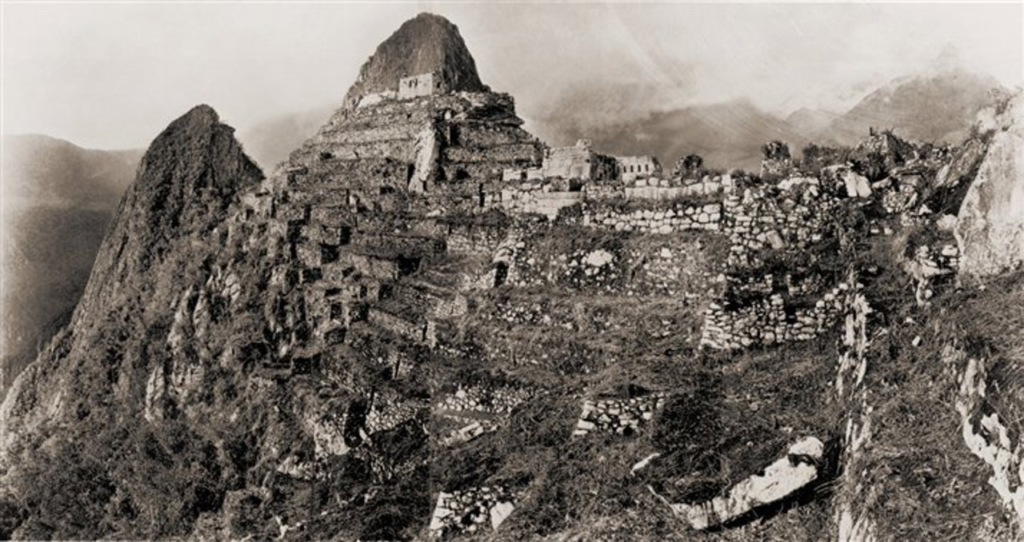
For more than a century, Machu Picchu was presented to the world as a lost city, hidden among mountains and dense vegetation until its “discovery” in 1911 by the American explorer Hiram Bingham. This narrative became a fundamental part of Peru’s tourism identity and helped transform Machu Picchu into one of the most famous and admired destinations on the planet. However, recent historical investigations carried out in Cusco could radically change this version of history that for decades was accepted as absolute truth.
New colonial manuscripts discovered by specialists from the Regional Archive of Cusco reveal that Machu Picchu may never have been truly abandoned or completely erased from human knowledge. On the contrary, the documents suggest that the site continued to be known, administrated, and connected to Andean communities even decades after the fall of the Inca Empire. This discovery creates not only historical impact, but also cultural and tourism significance, as it forces us to rethink how we understand the history of one of the world’s greatest wonders.
Furthermore, this news has generated enormous international interest because it directly connects to one of South America’s greatest mysteries: what really happened to the Inca cities after the Spanish conquest. For many historians, this discovery could become one of the most important documentary investigations related to Machu Picchu in recent years.
2. The Official Story Behind the Discovery of Machu Picchu
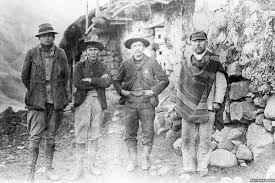
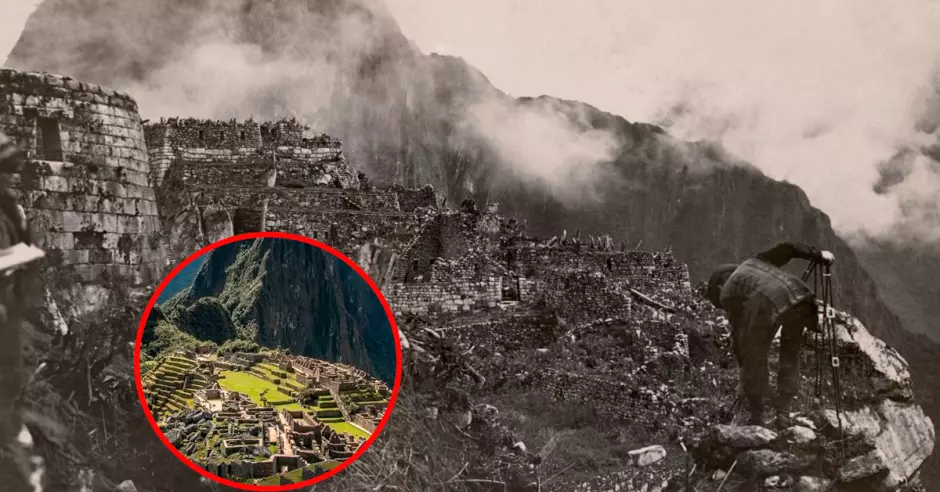
For decades, the most widely accepted version of the story claimed that Hiram Bingham discovered Machu Picchu in 1911 while exploring the mountains of Cusco. According to this narrative, Machu Picchu had remained hidden for centuries, covered by vegetation and completely unknown to the Western world. From that moment on, the citadel began to be presented as the famous “lost city of the Incas,” an idea that quickly captured international imagination.
This version greatly helped position Machu Picchu as a global symbol of Inca mystery and ancient civilization. Photographs of its terraces, temples, and mist-covered mountains reinforced the image of a forgotten city hidden for centuries. Thanks to this narrative, millions of travelers around the world began dreaming of visiting the site, eventually turning it into one of the most important tourist destinations on Earth.
However, numerous researchers have questioned this story for many years. Various historical records and local testimonies indicated that Andean communities had always known about the existence of Machu Picchu. In fact, when Bingham arrived in the area, he found local farmers living and cultivating land near the archaeological site. This strongly suggested that the citadel had never completely disappeared from local memory. The newly discovered colonial manuscripts strengthen this theory and could permanently change the traditional concept of “discovery.”
3. The Colonial Manuscripts of 1544 and 1545 That Are Surprising the World
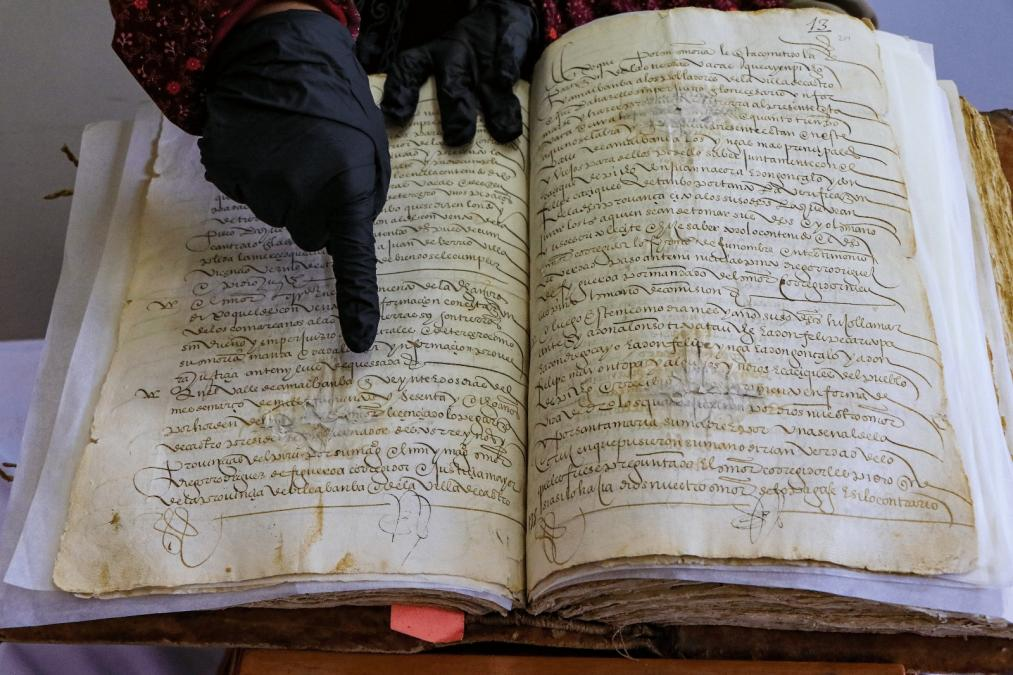
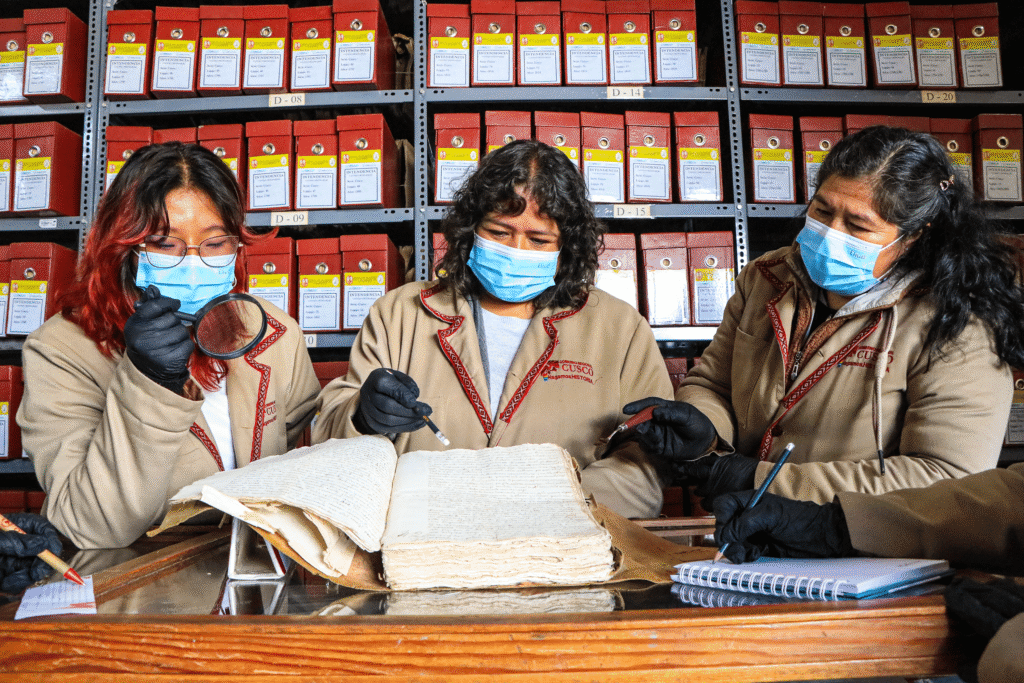
The investigation currently attracting international attention was carried out by specialists from the Regional Archive of Cusco, an institution responsible for preserving a fundamental part of Peru’s documentary heritage. The manuscripts discovered date back to the years 1544 and 1545 and belong to the so-called “libros becerro,” colonial manuscripts protected with calfskin covers, a technique commonly used during the colonial period to preserve important records.
Within these manuscripts appear direct references to a territory called “Picchu,” which researchers have linked to Machu Picchu. What is most shocking is not only the mention of the place itself, but also the context in which it appears. The texts describe administrative, territorial, and political aspects connected to this important Inca space, suggesting that Machu Picchu continued to play an active role within the regional organization decades after the Spanish conquest.
The documents also indicate that authorities were responsible for administrating the territory and that the site continued to hold economic and political importance. This completely breaks with the idea of a city abandoned or lost among the mountains. Instead, the manuscripts portray a space integrated into the daily and administrative life of sixteenth-century Andean populations.
This discovery represents one of the most important historical findings in Cusco in recent years and could significantly modify part of the traditional narrative surrounding Machu Picchu and the legacy of the Inca Empire.
4. What Exactly Do the New Historical Documents Reveal?
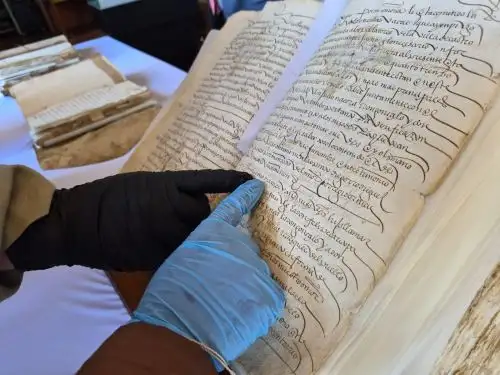
According to Edwin Berduzco Torres, director of the Regional Archive of Cusco, one of the manuscripts contains interviews connected to descendants of Túpac Yupanqui, one of the great rulers of the Inca Empire. These historical records mention not only the existence of Machu Picchu, but also who administrated the territory, how it was politically organized, and what role it played within the regional Andean structure.
The documents describe Machu Picchu as a place where political, economic, and territorial decisions were made. They also mention productive areas, residential zones, and systems of organization linked to territorial administration. This demonstrates that the site remained important even after the fall of the Tahuantinsuyo.
Another fascinating aspect is the mention of the so-called “topus,” territorial delimitation systems used by the Incas to administrate agricultural and productive areas. These references allow researchers to partially reconstruct how the territorial organization connected to Machu Picchu functioned during the sixteenth century.
All of this information is revolutionary because it completely changes the traditional image of a forgotten and abandoned city. Instead, the manuscripts reveal a living, organized territory connected to the social and political dynamics of colonial Andean communities.
5. Machu Picchu After the Fall of the Inca Empire
One of the most fascinating aspects of this investigation is that it demonstrates the Andean world did not disappear immediately after the Spanish conquest. Traditional history often presents the fall of the Inca Empire as a complete and definitive rupture. However, the manuscripts reveal a much more complex and profound reality.
Andean communities continued organizing, producing, and administrating territories even decades after the European invasion. This means Machu Picchu may have remained part of an active territorial network connected to families, authorities, and local administrative systems.
From a historical perspective, this discovery is extremely important because it helps us better understand Andean cultural resistance and the continuity of ancestral knowledge during the colonial period. Rather than being a lost city, Machu Picchu may have functioned as a space integrated into the daily life of local communities.
Furthermore, this new perspective strengthens the idea that Andean culture survived and adapted to enormous political and social changes without completely disappearing. This transforms Machu Picchu not only into an archaeological wonder, but also into a symbol of historical and cultural continuity.
6. Did Hiram Bingham Really Discover Machu Picchu?
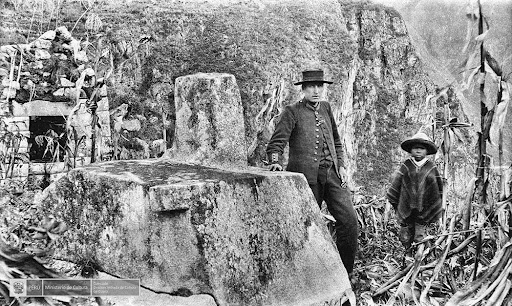
The great question arising from this discovery is unavoidable: did Hiram Bingham truly discover Machu Picchu? For decades, the American explorer was internationally recognized as the man who found the lost city of the Incas in 1911. His expedition marked a turning point in the history of Peruvian archaeology and tourism, transforming Machu Picchu into a global symbol of the ancient Inca civilization. However, these new historical investigations could significantly change that traditional interpretation.
If the colonial manuscripts prove that Machu Picchu continued to be known and administrated for centuries, then the traditional concept of “discovery” changes completely. Many specialists now argue that Hiram Bingham did not discover Machu Picchu in the absolute sense of the word, but rather introduced it to the academic and Western world. In fact, when he arrived at the site in 1911, he received assistance from local farmers and inhabitants who already knew the archaeological complex and its surroundings very well.
This detail is extremely important because it demonstrates that Machu Picchu never completely disappeared from Andean memory. For local communities, the site remained part of the cultural and territorial landscape of Cusco. The difference was that the Western world was unaware of the historical and archaeological importance of the location.
Moreover, this new perspective opens a much broader debate about how official history often ignored the ancestral knowledge preserved by Indigenous communities. For many years, the international narrative focused almost exclusively on the foreign explorer while leaving aside the communities that safeguarded the memory of the site for generations.
Today, these newly discovered colonial manuscripts reinforce the idea that the history of Machu Picchu is far more complex than previously believed for over a century. This does not diminish Hiram Bingham’s importance in bringing the archaeological site to worldwide attention, but it does force historians to reconsider the true meaning of “discovering” a place that was never completely forgotten by the Andean people.
7. The Important Role of the Regional Archive of Cusco in This Historical Investigation
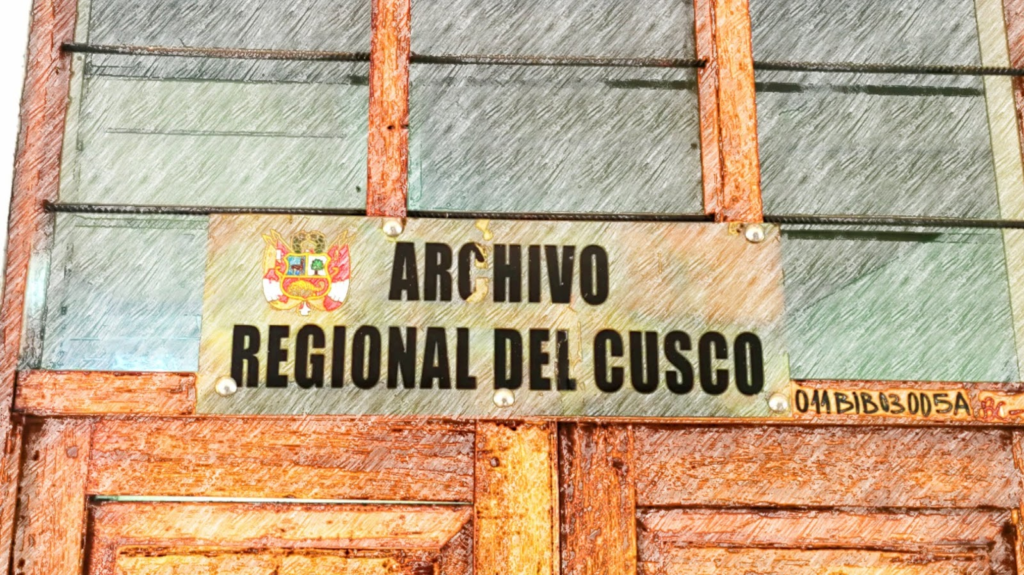
The Regional Archive of Cusco has become a fundamental institution for preserving Peru’s historical memory. Thanks to years of documentary conservation work, researchers now have access to colonial manuscripts that remained forgotten for centuries and that could now transform part of the official history of Machu Picchu.
The investigation was led by Margaret Najaro and Ronald Camara together with a specialized technical team in paleography, restoration, and documentary preservation. Their work made it possible to carefully analyze extremely old manuscripts written during a period when colonial authorities were beginning to reorganize the territories of the former Inca Empire.
This discovery demonstrates that many major historical findings are not found only underground through archaeological excavations, but also inside ancient documents preserved in historical archives. Every preserved manuscript may contain information capable of transforming our understanding of the Andean past.
In addition, the Regional Archive of Cusco plays a key role in protecting Peru’s documentary heritage. In a context where much of Latin America’s colonial history still remains insufficiently studied, investigations like this acquire enormous international relevance.
Another important aspect is that these documents possess not only academic value, but also cultural and tourism significance. The possibility of reconstructing administrative, territorial, and political aspects connected to Machu Picchu greatly strengthens the historical identity of Cusco and Peru.
For this reason, many specialists believe that this discovery could become one of the most important documentary findings related to the Inca world in recent decades.
8. Satellite Studies and International Cooperation Could Reveal More Secrets About Machu Picchu
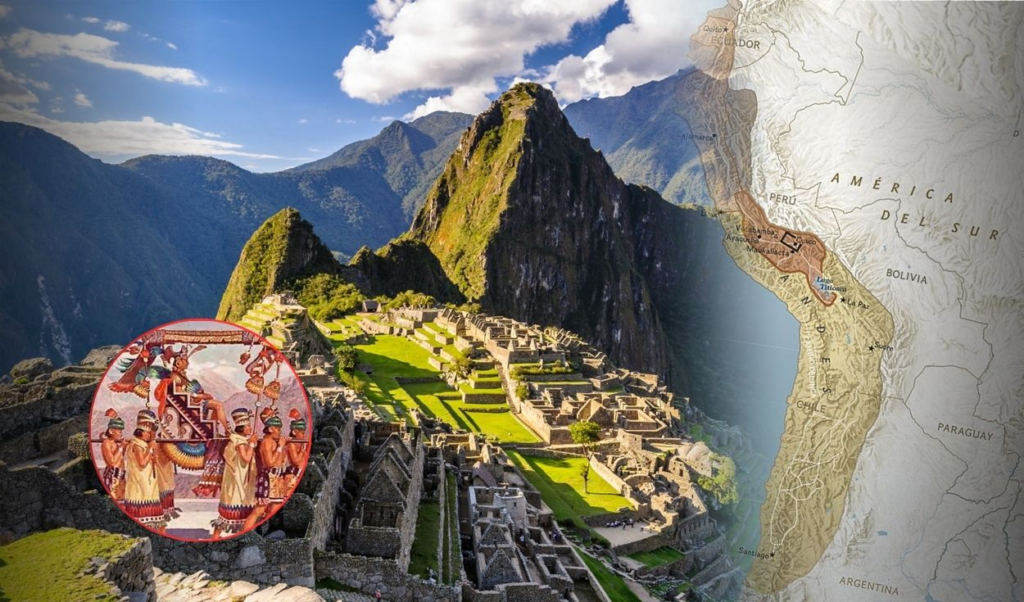
One of the most fascinating aspects of this investigation is the international cooperation that may emerge from the colonial manuscripts discovered in Cusco. The Regional Archive of Cusco has already initiated conversations with the University of Prague to develop satellite studies based on the territorial references found within the historical documents.
The objective of these studies is to reconstruct with greater precision the territorial organization connected to Machu Picchu during the sixteenth century. Through the use of modern satellite technology, researchers hope to identify ancient roads, agricultural boundaries, production systems, and possible structures related to the descriptions contained in the colonial manuscripts.
In addition, there is a project to fully digitize the historical documents in order to guarantee their preservation and facilitate future international academic research. This would allow specialists from different parts of the world to access the manuscripts and continue expanding studies related to Machu Picchu and the Andean colonial period.
There are also plans to seek recognition of these documents as National Cultural Heritage and potentially even as World Heritage documents. Such recognition would position the Regional Archive of Cusco as an international reference center for historical research connected to the Inca Empire and Peru’s colonial memory.
The combination of modern technology, documentary research, and international collaboration could open an entirely new chapter in the study of Machu Picchu. What was once viewed only as an archaeological site may now begin to be understood as part of a living territorial network that remained active and administrated even after the Spanish conquest.
9. How This Discovery Changes Our Understanding of Inca History
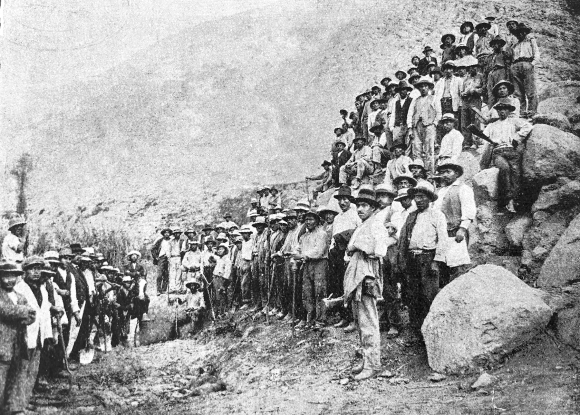
The discovery of these colonial manuscripts forces historians to reconsider many traditional ideas about the Inca Empire and the colonial period in the Andes. For many years, historical narratives portrayed the Spanish conquest as a complete rupture that caused the immediate disappearance of the political, economic, and cultural structures of the Tahuantinsuyo.
However, the newly discovered documents reveal a far more complex reality. The historical evidence demonstrates territorial, administrative, and cultural continuity within Andean communities even decades after the arrival of the Spanish. This suggests that many ancestral forms of organization, systems of governance, and traditional knowledge survived throughout the colonial period.
In the specific case of Machu Picchu, this finding completely transforms the traditional image of a lost and abandoned city. Instead, the manuscripts reveal a territory connected to active social, political, and economic dynamics within the Cusco region.
Furthermore, this investigation strongly revalues the role of Andean communities in preserving historical memory. For centuries, local populations maintained knowledge of the territory, the ancient trails, and the traditions associated with the Inca world, even while much of official history ignored that cultural continuity.
From a broader perspective, this discovery also highlights the importance of studying history through multiple viewpoints rather than relying solely on traditional Western narratives. The history of Machu Picchu can no longer be understood simply as the story of a rediscovered city, but rather as the story of an Andean memory that never completely disappeared.
10. The Impact of This Discovery on Cultural Tourism in Peru
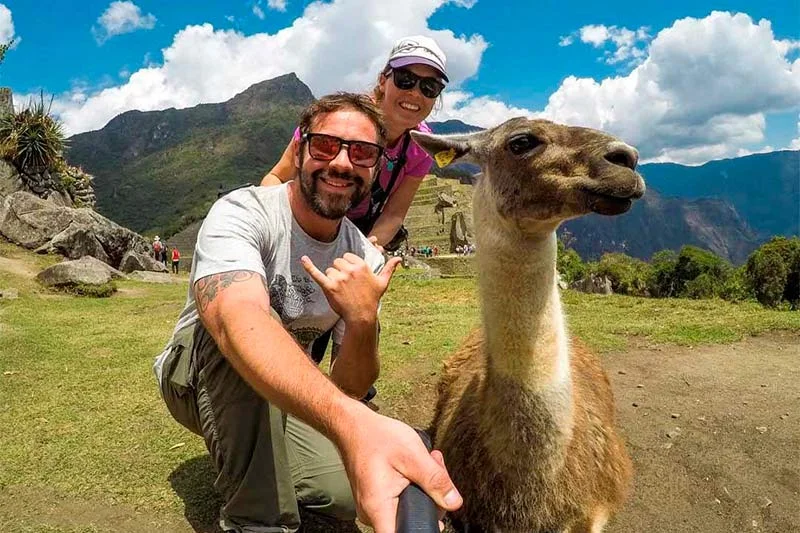
From a tourism perspective, this discovery has enormous international potential. Thousands of travelers visit Machu Picchu every year, attracted by its mystery, breathtaking architecture, and ancient history. However, the newly discovered colonial manuscripts add an even more fascinating dimension to the experience: the possibility that Machu Picchu was never truly a lost city, but rather a living and known territory even after the Spanish conquest.
This type of historical research completely transforms the way many travelers perceive Machu Picchu. It is no longer viewed only as an archaeological wonder hidden among the mountains, but also as a place deeply connected to historical memory, cultural resistance, and the continuity of the Andean world. For many visitors, understanding this new perspective makes the journey far more meaningful and authentic.
In addition, this discovery strengthens the growth of cultural and archaeological tourism in Cusco. Modern travelers are no longer interested only in taking photographs of famous landmarks; increasingly, they want to understand the historical, cultural, and human context behind the destinations they visit. In this sense, discoveries like these generate enormous curiosity because they reveal unknown aspects of one of the most fascinating civilizations in Latin America.
The discovery could also inspire new tourism experiences connected to historical archives, colonial investigations, and documentary heritage. Interest in learning the “true history” of Machu Picchu may encourage deeper cultural experiences where visitors not only explore archaeological ruins, but also discover how Andean communities preserved ancestral knowledge for centuries.
Another important aspect is the global media attention this research could generate. Every new revelation related to Machu Picchu tends to attract worldwide interest due to the site’s immense popularity. This not only benefits the cultural image of Cusco, but also strengthens Peru’s position as one of the world’s most important historical and archaeological destinations.
Furthermore, this type of news reinforces the idea that Peru still holds historical secrets capable of surprising the world. For many travelers, discovering that the official history of Machu Picchu could change is incredibly fascinating and increases even more the desire to visit Cusco and explore the legacy of the Inca civilization.
11. Cusco Continues Revealing Secrets to the World
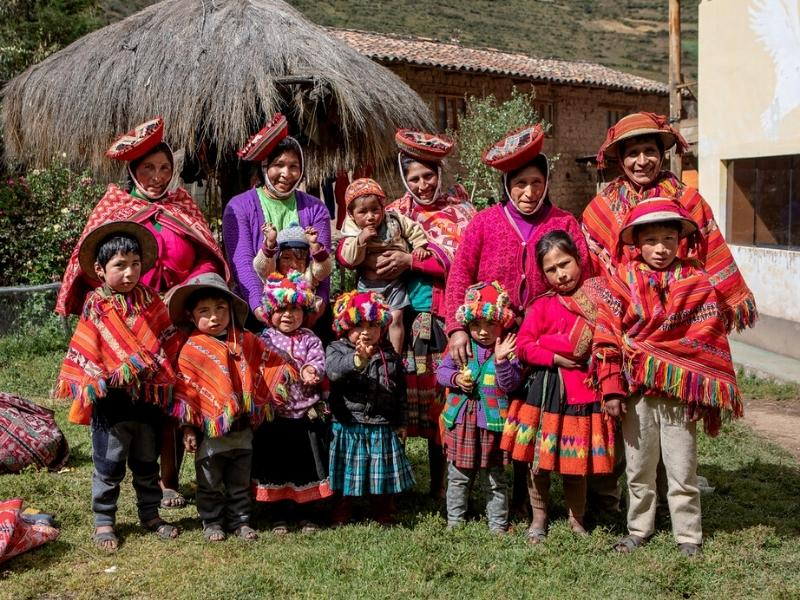
Cusco is not only considered the historical heart of the ancient Inca Empire, but also one of the most important cultural centers in Latin America. Every year, millions of people arrive attracted by the archaeological richness of places such as Machu Picchu, the Sacred Valley, and the ancient Inca trails. However, discoveries like these demonstrate that the region still holds enormous historical secrets capable of transforming our understanding of the Andean past.
The newly discovered colonial manuscripts not only provide valuable information about Machu Picchu, but also highlight the importance of protecting Peru’s documentary heritage. History is often associated only with archaeological monuments, temples, or excavations, but ancient documents preserved in historical archives may contain equally — or even more — valuable information for reconstructing the past.
In addition, this discovery strongly reinforces the importance of historical research and the work carried out by specialists in documentary preservation. Without these efforts, much of the historical memory connected to the colonial period and the Inca world could have been lost forever.
Another essential aspect is that this discovery revalues the ancestral knowledge of Andean communities. For centuries, local populations preserved the memory of the territory, the ancient roads, and the traditions connected to Machu Picchu, even while much of the international narrative described it as a forgotten and lost city.
From a cultural perspective, this represents an important recognition of the living history of Cusco and Peru. Andean memory did not disappear after the Spanish conquest; instead, it survived and adapted through centuries of political and social transformation.
This discovery also demonstrates that there is still much to learn about the Inca Empire and the social, economic, and territorial dynamics of the early colonial period. History continues evolving constantly, and every new finding has the potential to profoundly change what we believe we know about the past.
12. Experience the Living History of Peru and Discover Machu Picchu in a Different Way
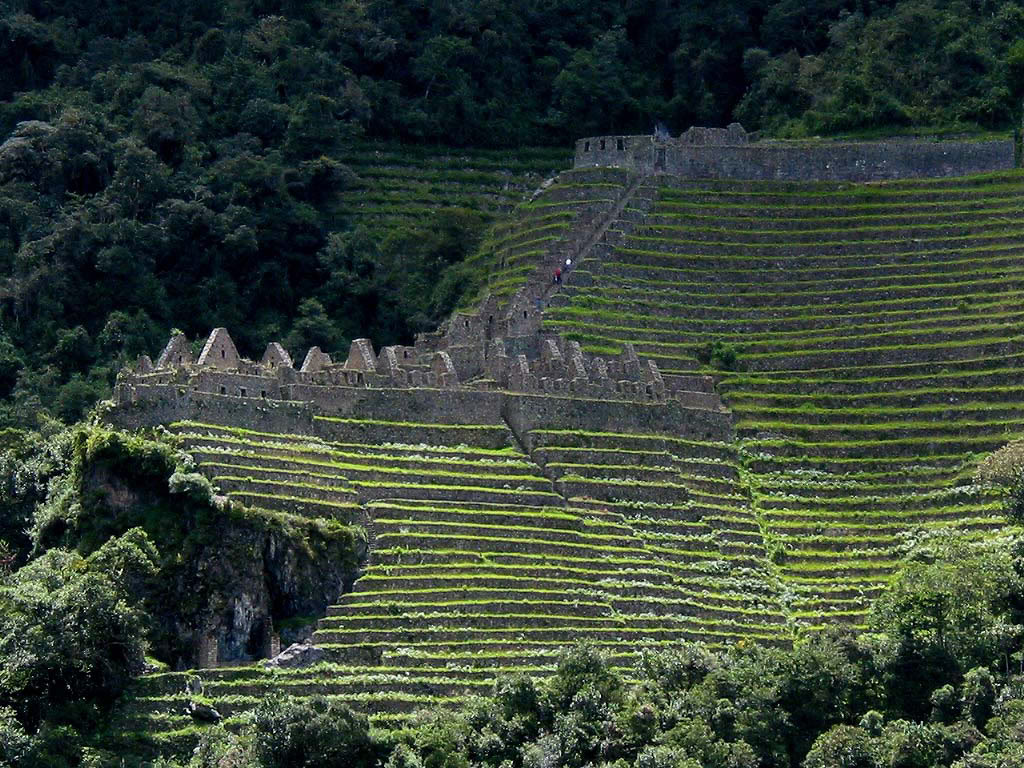
Visiting Machu Picchu no longer means simply seeing a world-famous archaeological wonder. Today, thanks to investigations like this, it also represents the opportunity to connect with centuries of living history, ancestral memory, and discoveries that continue transforming our understanding of the Andean world.
Every stone, every trail, and every agricultural terrace in Machu Picchu forms part of a much more complex story than we once imagined. The new colonial manuscripts reveal that the site was not merely an abandoned city, but possibly a territory connected to communities, authorities, and organizational systems that survived even after the Spanish conquest.
This transforms the experience of visiting Machu Picchu into something much deeper and more meaningful. It is no longer only about admiring breathtaking landscapes or Inca architecture, but also about understanding how Andean culture managed to preserve part of its identity throughout centuries of historical transformation.
Today more than ever, traveling to Cusco means connecting with the true essence of ancestral Peru. From ancient Inca trails to colonial documents preserved in historical archives, every corner of the region holds stories capable of surprising even those who believe they already know Machu Picchu.
In addition, the growing interest in cultural and archaeological tourism allows many travelers to seek more authentic and enriching experiences. Understanding the true history behind Machu Picchu completely transforms the travel experience and allows visitors to appreciate even more the cultural richness of the Andean world.
If you would like to discover the true history of Machu Picchu, explore the legacy of the Inca Empire, and enjoy authentic experiences in Cusco, you can explore our tourism programs designed for travelers seeking much more than a traditional trip.
Discover our tour packages here:
GT Peru Travel