Contents
- Why is jewelry in Cusco more than just a souvenir?
- History of Andean jewelry: heritage from the Inca world
- Traditional materials used in Cusco jewelry
- Meaning of symbols in Andean jewelry
- Types of jewelry you can find in Cusco
- Where to buy authentic jewelry in Cusco
- How to recognize authentic handmade jewelry
- The shopping experience: more than a simple purchase
- How much jewelry costs in Cusco
- Jewelry as a souvenir with spiritual and cultural meaning
- Is it worth including shopping in your travel itinerary?
- Live the complete experience: Cusco tours + culture + shopping
1. Why Is Jewelry in Cusco More Than Just a Souvenir?
It is not simply a beautiful accessory, but an object filled with cultural, spiritual, and ancestral meaning. Cusco jewelry is deeply connected to the Andean worldview, where everything has a purpose: nature, symbols, and the materials used.
When traveling, it is common to want to take home a souvenir, a photograph, a magnet, or some symbolic object.
But in Cusco, jewelry goes far beyond a simple souvenir — every piece tells a story.
For example, many pieces represent elements such as the sun, the moon, or the earth, reflecting the connection between human beings and the universe. Others incorporate traditional symbols that convey balance, protection, or energy.
In addition, purchasing local jewelry means directly supporting artisan communities that have preserved these techniques for generations. It is a form of responsible and conscious tourism.
2. History of Andean Jewelry: Heritage from the Inca World
To understand the value of jewelry in Cusco, you need to travel back in time… long before the arrival of the Spanish.
During the Inca Empire, jewelry was not only decorative, but also a symbol of power, hierarchy, and spiritual connection. The Incas worked with metals such as gold and silver with impressive skill, creating pieces that represented their relationship with the cosmos.
Gold was considered the “sweat of the sun.”
Silver was known as the “tears of the moon.”
These materials did not have the economic value they have today, but rather a sacred meaning.
The pieces were used by nobility, priests, and rulers, and were often connected to important rituals and ceremonies.
With the arrival of the colonial era, many of these traditions changed, but they did not disappear. Andean artisans adapted their techniques, blending European influences with their original identity.
Today, many artisans continue using traditional methods passed down from generation to generation. Each piece reflects centuries of knowledge, identity, and connection to the earth.
That is why, when you buy jewelry in Cusco, you are not just purchasing an object — you are taking home a legacy of more than 500 years of history.
3. Traditional Materials Used in Cusco Jewelry
One of the aspects that most attracts travelers searching for handmade jewelry in Cusco is the authenticity of its materials. Unlike industrial jewelry, Cusco jewelry mainly features natural elements that reflect the Andean identity and its connection with the earth.
Peruvian silver is the most widely used and valued material. Recognized for its quality and shine, it is crafted by artisans who master traditional techniques, creating unique handmade pieces. This type of jewelry is especially sought after by tourists who want to take home an elegant and lasting souvenir.
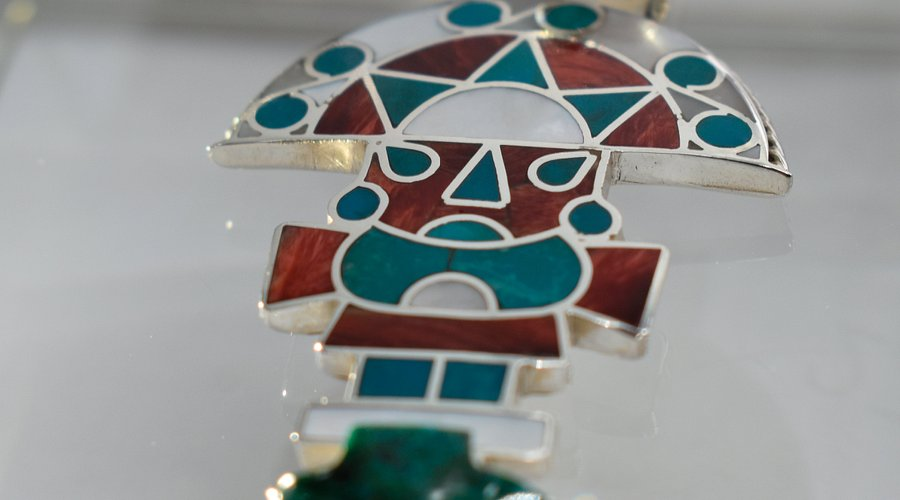
In addition, many pieces incorporate natural Andean stones such as turquoise, chrysocolla, and sodalite. These stones not only add color and beauty, but also carry energetic and spiritual meanings. For example, turquoise is associated with protection and balance, making it one of the most popular stones among travelers.
Another distinctive element is the inclusion of Andean textiles, created using ancestral techniques. These details bring cultural identity to bracelets and necklaces, blending jewelry with textile art. It is also possible to find pieces made with natural materials such as shells, reflecting Peru’s geographic diversity.
From a tourism perspective:
Searching for silver jewelry in Cusco or natural stone jewelry in Peru is becoming increasingly common, as travelers value authentic, sustainable products with history.
4. Meaning of Symbols in Andean Jewelry
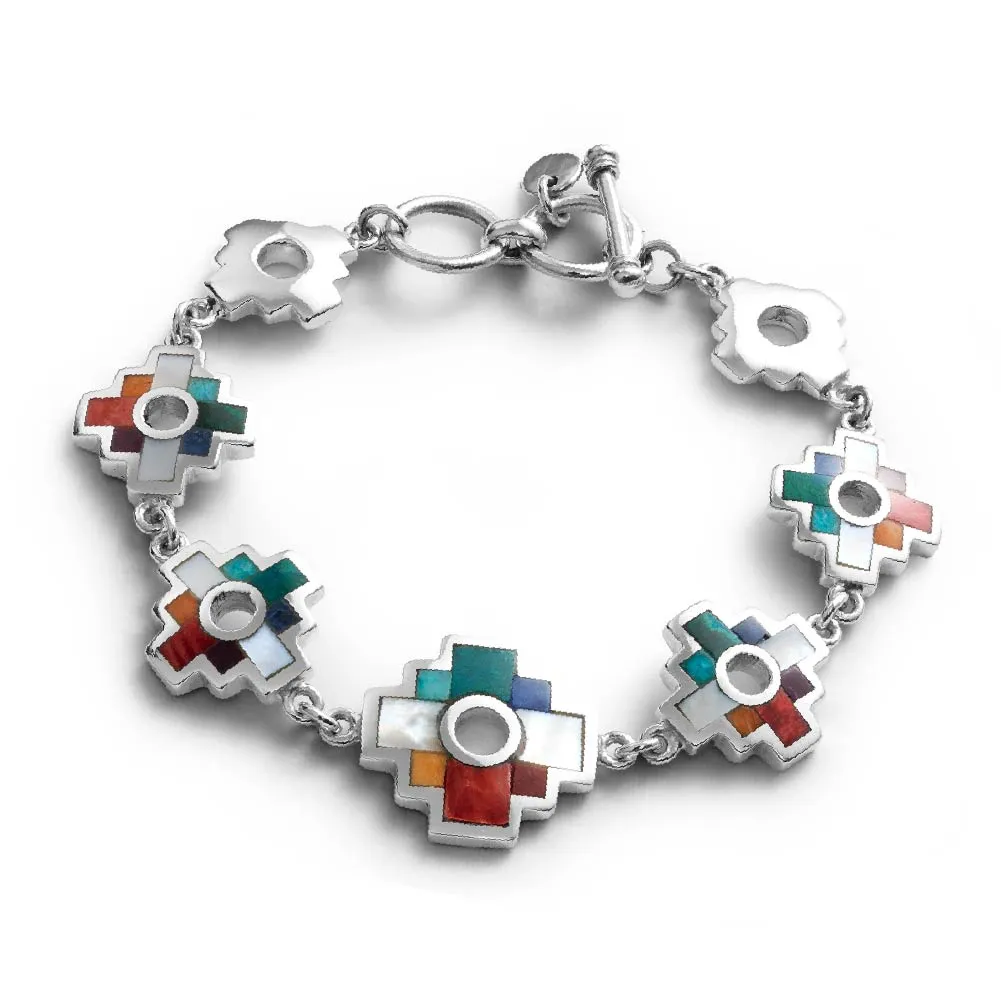
One of the reasons why many tourists decide to buy Andean jewelry in Cusco is the deep meaning behind its designs. These pieces stand out not only for their beauty, but also for the symbols that represent the Andean worldview.
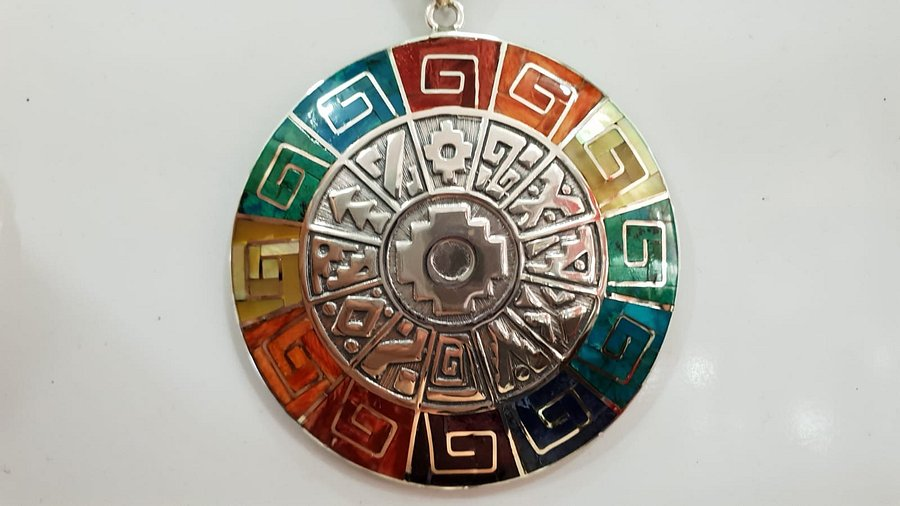
The most representative symbol is the Chakana, also known as the Andean Cross, one of the most important icons of Inca culture. It represents the connection between the three levels of the universe: the upper world (spiritual), the earthly world, and the inner world. This balance is fundamental in Andean philosophy and is reflected in many jewelry pieces.
In addition to the Chakana, it is common to find other symbols such as:
- The sun (energy, life, and power)
- The moon (intuition and feminine balance)
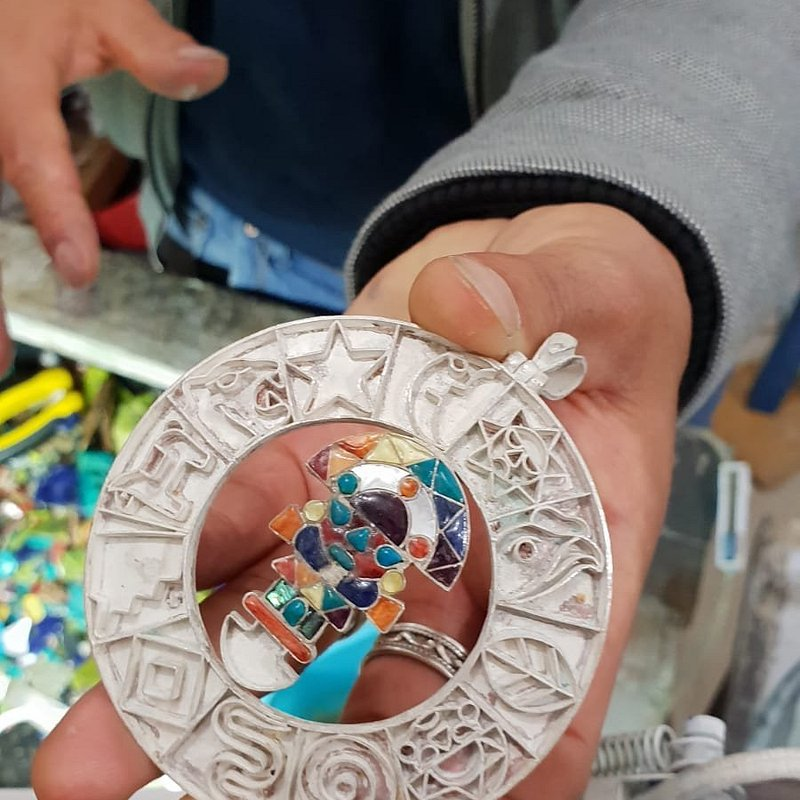
- Andean animals such as the condor, the puma, and the serpent (wisdom, strength, and transformation)
These symbols turn each piece into more than just an accessory, transforming it into an object with cultural identity and personal meaning.
From a tourism perspective, this is very important. Many travelers are not only searching for what to buy in Cusco, but also for objects that represent their experience. Jewelry with Andean symbols allows visitors to take home a souvenir with emotional and spiritual value.
5. Types of Jewelry You Can Find in Cusco
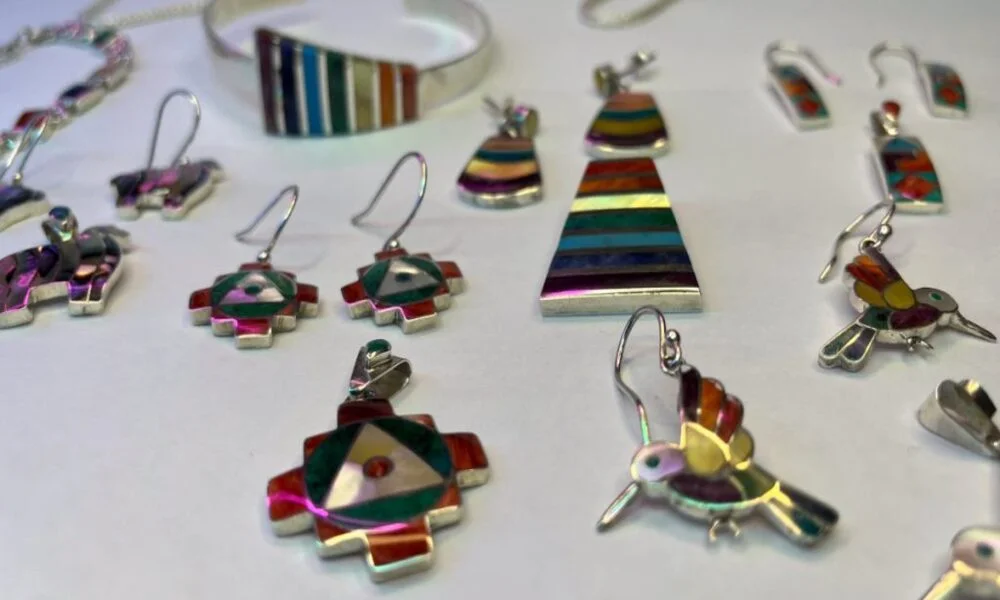
If you are wondering what jewelry to buy in Cusco, you will be surprised by the variety of options available. The city offers a unique combination of traditional and contemporary designs, all with a strong Andean identity.
Among the most popular pieces are handmade necklaces, many of them crafted with natural Andean stones and silver details. These necklaces are often eye-catching and perfectly represent Peru’s cultural identity, making them highly sought after by travelers looking for an authentic souvenir.
Peruvian silver rings are also an excellent option. They often incorporate Inca symbols or natural stones, making them elegant pieces with deep meaning. This type of jewelry is ideal for personal use as well as for special gifts.
Another very popular product is Andean bracelets, many of which are combined with traditional textiles. These pieces are more affordable and perfect for travelers looking for an authentic souvenir without making a large investment.
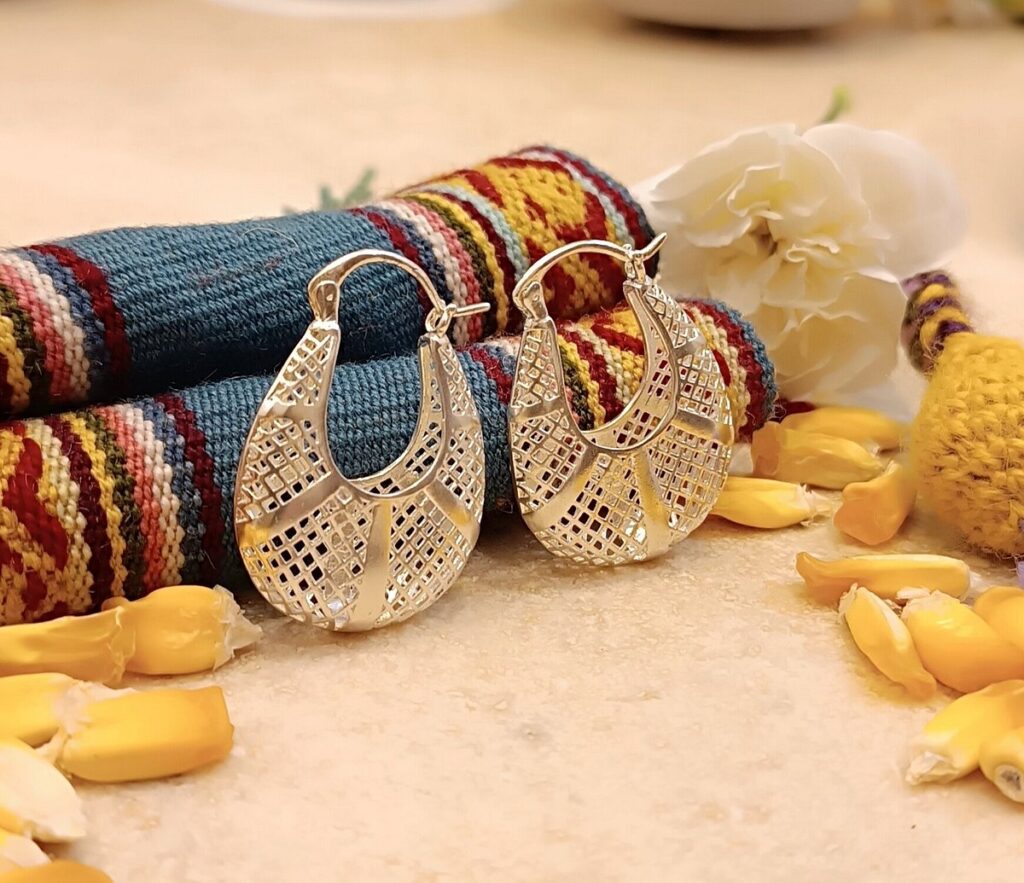
Finally, handmade earrings stand out for their lightweight and detailed designs. They are easy to transport and highly appreciated by tourists who want something representative yet practical.
6. Where to Buy Authentic Jewelry in Cusco
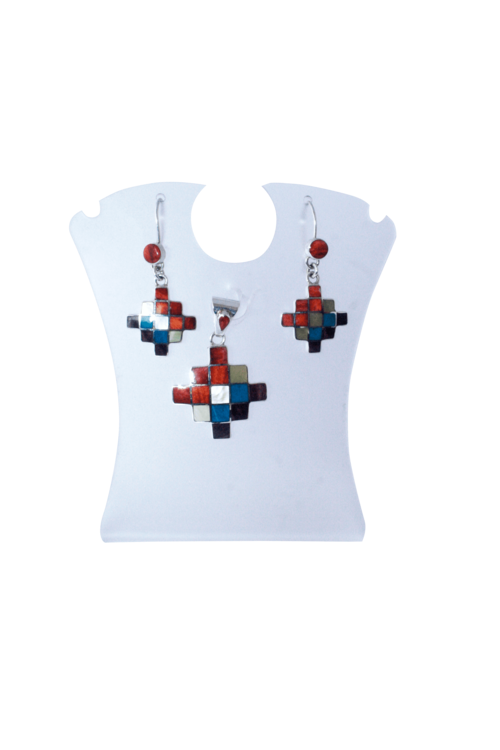
Knowing where to buy jewelry in Cusco is essential to ensure you purchase authentic and high-quality pieces. The city offers many options, but not all provide the same experience.
Artisan markets are among the most visited places by tourists. Here, you will find a wide variety of jewelry at different prices, allowing you to compare options and discover diverse styles. It is ideal for travelers seeking a dynamic and accessible shopping experience.
On the other hand, there are specialized Andean jewelry stores where the quality is usually higher and the pieces are more refined. These spaces are recommended for those looking for more exclusive products or a higher level of craftsmanship.
However, the best experience is often found in local artisan workshops. In these places, you can not only buy jewelry but also see how it is made. This direct contact with the artisan adds value to the purchase and creates a deeper connection with the culture.
From a tourism perspective, this is extremely powerful:
Travelers are no longer looking only to shop, but to live authentic experiences. That is why including visits to workshops or artisan markets in an itinerary can make a big difference.
7. How to Recognize Authentic Handmade Jewelry
One of the most important aspects when buying handmade jewelry in Cusco is understanding the materials used, especially silver. This detail influences not only the price, but also the quality, durability, and real value of the piece. Many travelers focus only on the design, but understanding the material can make the difference between an ordinary purchase and an authentic investment.
Peruvian silver is one of the most recognized materials in Cusco jewelry, but not all silver has the same quality. The main difference lies in its level of purity. For example, 950 silver — also known as 9.50 silver — contains 95% pure silver, making it one of the most valued options in the Peruvian market. This type of silver offers a brighter shine, greater value, and is ideal for fine and durable pieces, although it may be slightly softer due to its high purity.
On the other hand, 925 silver, internationally known as “Sterling Silver,” contains 92.5% pure silver. It is very common in the global market and can also be found in Cusco. This option is slightly more resistant because it contains a higher proportion of other metals, making it ideal for everyday use. It is also usually more affordable, making it a popular alternative among travelers.
There are also pieces made with lower-quality alloys containing less than 90% silver. These jewels may look similar at first glance, but they tend to lose their shine over time, are less durable, and have significantly lower value. That is why it is important to pay attention when purchasing and always ask about the material composition.
In addition to silver, many jewelry pieces in Cusco incorporate natural Andean stones such as turquoise, chrysocolla, and sodalite. These stones not only add beauty and color, but also cultural and energetic meaning, highly valued by travelers. In some cases, they are also combined with Andean textiles or natural materials, creating unique pieces that reflect Peru’s cultural identity.
Ultimately, understanding the differences between silver types and the materials used not only helps you avoid mistakes, but also allows you to make an informed decision. This way, you are not just buying a beautiful piece of jewelry, but an authentic, durable item with true cultural value.
8. The Shopping Experience: More Than a Simple Purchase
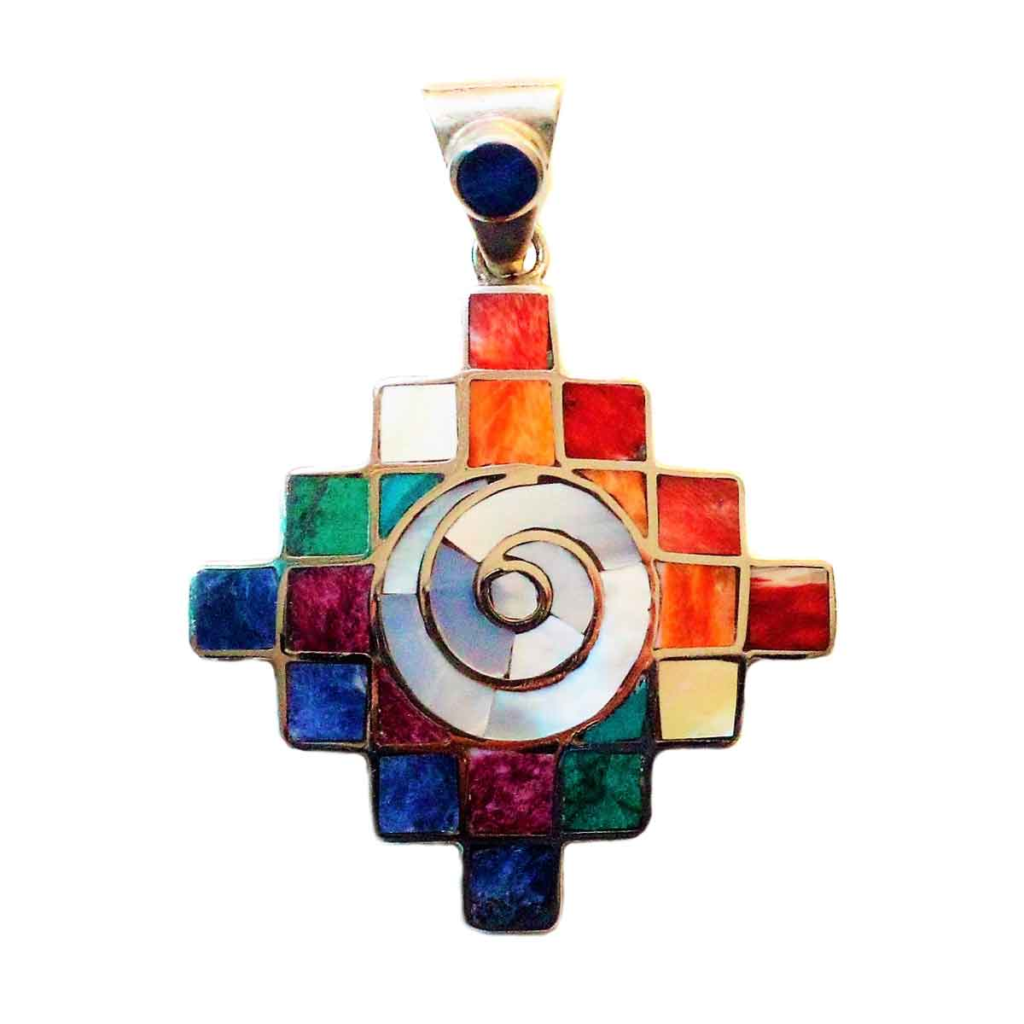
Buying jewelry in Cusco is an experience that goes far beyond a simple transaction. Unlike other tourist destinations where shopping is often quick and impersonal, in Cusco there is a direct connection between the traveler and the origin of the product. This closeness completely transforms the way a purchase is perceived.
In many markets, stores, and artisan workshops, it is possible to interact directly with the creators of the pieces. Artisans not only sell their products, but also share their stories, explain the meaning behind the designs, and in some cases, demonstrate part of the crafting process. This human connection creates an authentic experience that is difficult to replicate elsewhere.
In addition, observing how silver is worked or how Andean stones are integrated into each design allows travelers to appreciate the time, dedication, and skill behind every piece. This helps visitors understand that they are not buying just any object, but rather a work that represents culture, tradition, and ancestral knowledge.
From a tourism perspective, this type of experience has great value. Today, travelers are not only looking to visit places, but also to live meaningful moments. Handmade jewelry shopping in Cusco becomes a cultural activity, where the memory is not only the object purchased, but also the story experienced during the process.
Ultimately, buying jewelry in Cusco is not just about acquiring an accessory, but about becoming part of an experience that connects the traveler with the essence of the destination. These are the kinds of moments that truly transform a trip into something unforgettable.
9. How Much Does Jewelry Cost in Cusco?
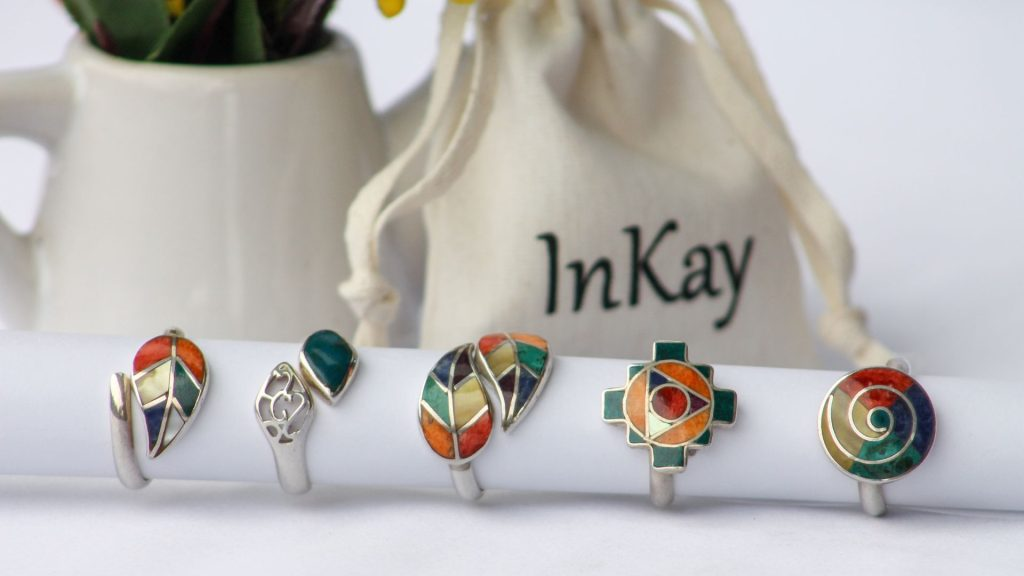
One of the most common questions among travelers is how much jewelry in Cusco actually costs. The answer can vary considerably, since the price depends on factors such as the material, the quality of the silver, the type of stone used, and the level of detail in the handmade work.
In general terms, it is possible to find options for every budget. More affordable pieces, such as simple bracelets or small earrings, can cost between 5 and 20 USD, making them an excellent option for accessible souvenirs. In the mid-range, between 20 and 80 USD, you can find 925 or 950 silver jewelry with natural stones and better finishes, ideal for travelers seeking quality without making a large investment.
On the other hand, more exclusive pieces costing over 100 USD are usually crafted with higher-purity silver, more complex designs, and more detailed handmade work. These jewels stand out not only for their aesthetics, but also for their cultural value and durability, making them a long-term investment.
It is important to keep in mind that the price does not only reflect the material, but also the artisan’s time and skill. A handmade piece may require hours or even days of work, which justifies its value.
In artisan markets, it is also common to find some flexibility in pricing, but it is always recommended to negotiate respectfully, appreciating the artisan’s work.
Ultimately, buying jewelry in Cusco is not just about cost, but about value. It is about finding a piece that represents your experience and preserves its meaning over time.
10. Jewelry as a Souvenir with Spiritual and Cultural Meaning
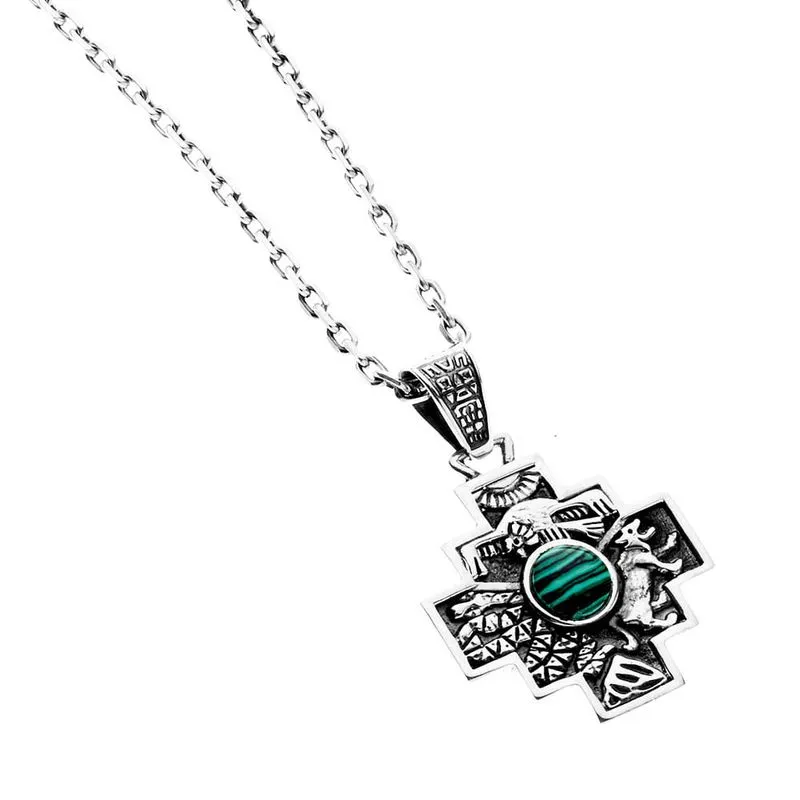
Unlike other travel souvenirs, Andean jewelry has a value that goes far beyond the material. When a traveler decides to buy a piece in Cusco, they are not simply choosing an accessory, but a symbol filled with history, energy, and cultural meaning.
In the Andean worldview, everything has a purpose. Materials, stones, and symbols are not used randomly, but instead represent concepts such as balance, protection, and connection with nature. For example, many people associate certain stones with positive energies, while silver is viewed as a metal linked to spirituality and harmony.
This meaning makes jewelry something deeply personal. Each piece can represent a moment from the journey, an experience lived, or a special connection with the destination. That is why many travelers feel that their purchase has an emotional value that lasts over time.
In addition, these jewels serve as a constant reminder of the trip. Unlike a photograph that gets stored away or an object that is forgotten, jewelry can be worn in everyday life, keeping the experience alive. Every time the person wears it, they relive that moment in Cusco, its landscapes, culture, and energy.
From a tourism perspective, this is essential. Today, travelers seek souvenirs with meaning, not just decorative objects. Handmade jewelry in Cusco perfectly fulfills this need, combining aesthetics, culture, and emotion in a single piece.
11. Is It Worth Including Shopping in Your Travel Itinerary?
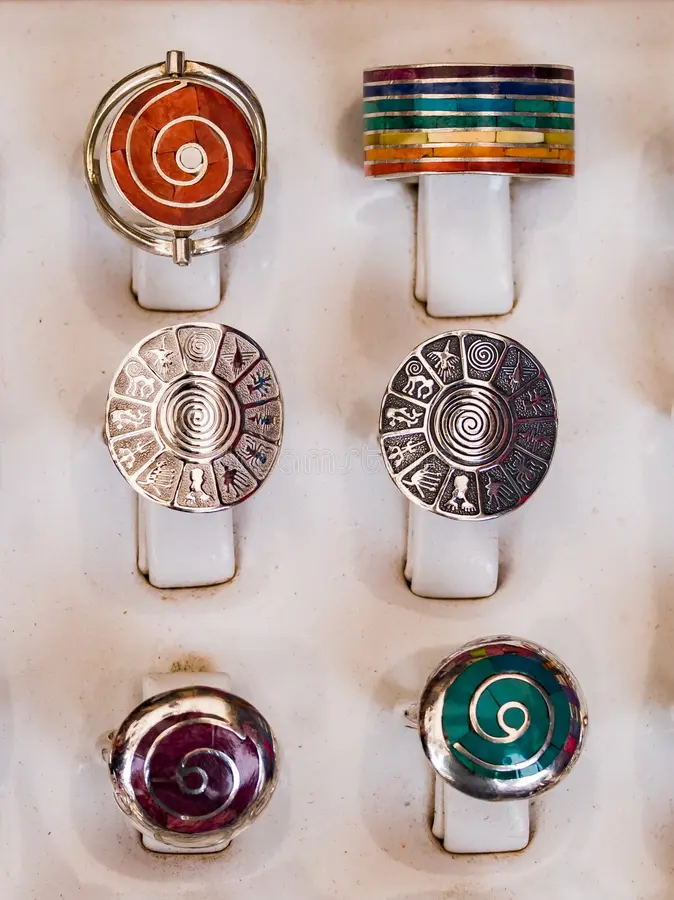
When travelers plan their visit to Cusco, they usually prioritize iconic destinations such as Machu Picchu or Sacred Valley. However, more and more people are discovering that taking time to explore markets, workshops, and local handicrafts can significantly enrich the travel experience.
Including activities such as shopping for handmade jewelry is not simply “going shopping,” but rather an opportunity to connect with the living culture of the destination. Through these experiences, travelers can better understand local identity, interact with artisans, and discover stories that are not found in traditional tours.
In addition, these types of activities bring balance to the itinerary. After visiting archaeological sites or going on hikes, exploring markets or workshops offers a more relaxed yet equally enriching moment. It is a way to experience the destination from another perspective — one that is closer and more authentic.
From the perspective of modern tourism, this is fundamental. Today’s travelers seek complete experiences, not just lists of places to visit. They want to feel, learn, and take home more than photographs. Including cultural shopping experiences in the itinerary perfectly responds to this need.
On the other hand, dedicating time to these activities also allows travelers to make more conscious purchasing decisions. Instead of buying rushed souvenirs, they can choose meaningful pieces, learn about their origins, and appreciate the work behind them.
Ultimately, including jewelry and handicraft shopping in your itinerary is not just an optional extra — it is a key part of experiencing Cusco in a deeper, more authentic, and memorable way.
12. Live the Complete Experience: Tours in Cusco + Culture + Shopping
If you truly want to make the most of your trip to Cusco, the ideal approach is not only to visit the most famous destinations, but also to integrate experiences that allow you to connect with the local culture. Places like Machu Picchu are essential, but the true value of the journey lies in how you experience every moment.
A well-designed itinerary does not only include archaeological sites, but also authentic experiences such as traditional markets, jewelry workshops, and direct contact with artisans. These activities transform a conventional trip into a much more complete and enriching experience.
This is where an organized tour makes a huge difference. Many travelers try to plan everything on their own, but quickly face challenges such as ticket availability, transportation logistics, or lack of local information. This can create stress and cause them to miss valuable opportunities during their trip.
By choosing an organized service, however, travelers can access an optimized experience that includes not only the main attractions, but also exclusive recommendations and cultural activities that are normally beyond the reach of the average tourist. In addition, having local guides allows visitors to better understand the meaning behind each place and experience.
Another major benefit is saving time and energy. Instead of worrying about coordinating every detail, travelers can focus on enjoying the trip, knowing that everything has been professionally organized.
Discover the Best Tour Packages in Peru
If you want to enjoy a complete experience in Cusco, explore Machu Picchu, and also discover Peru’s culture, handicrafts, and ancestral jewelry, you can explore our tourism programs designed for travelers seeking authentic and well-organized experiences.
Discover all our tour packages here:
GT Peru Travel – Tour Packages in Peru
You can also explore complete programs such as:
✔ Personalized tours
✔ Authentic experiences
✔ Local guides
✔ Support throughout the entire journey
Turn your trip to Peru into an unforgettable experience.